
SOYO GeForce GT 740
4.5Editor score
4GB DDR3 Memory
Triple Display Output
Low Power Design
Discover the top Linux graphics cards for 2026. We compare performance, compatibility, and features to help you choose the best GPU for your workstation or
Choosing the right graphics card for Linux can be challenging due to driver support and hardware compatibility. This guide reviews the best options available in November 2026 to help you make an informed decision.
We evaluated ten top-rated graphics cards based on their Linux compatibility, performance benchmarks, and user feedback. Our selection includes options for budget builds, professional workstations, and high-end gaming setups.
Each pick highlights key features, pros, and cons to help you find the perfect match for your needs. Remember that prices and availability can change, so check current listings before purchasing.
4.5Editor score

4.7Editor score

3.9Editor score
Below is a side-by-side comparison of the ten graphics cards featured in this guide. Each entry includes key specifications to help you quickly assess which model fits your Linux system requirements.




The ASUS Dual GeForce RTX 3050 stands out as the top choice for Linux users seeking a balance of performance and compatibility. With a 4.7 rating, it delivers reliable NVIDIA Ampere architecture performance that works smoothly with open-source and proprietary drivers.
We may earn a commission when you buy through this link, at no additional cost to you.
Its standout qualities include 2nd generation RT cores and 3rd generation tensor cores, which enhance AI tasks and ray tracing. The axial-tech fan design ensures efficient cooling while maintaining a small footprint suitable for many Linux workstations.
Trade-offs include limited 6GB VRAM which may constrain heavy AI inference tasks compared to higher-end cards. However, for general computing and moderate gaming, this limitation is acceptable given the card's efficiency and cost-effectiveness.
This card is ideal for Linux developers and gamers who need dependable hardware without breaking the budget. Its robust build and solid performance make it a safe recommendation for most desktop Linux setups.
NVIDIA drivers for Linux are mature and well-supported, ensuring stable operation with common distributions like Ubuntu and Fedora.
The axial-tech fan design increases downward air pressure, improving thermal performance without excessive noise during typical Linux workloads.
We may earn a commission when you buy through this link, at no additional cost to you.
The ASRock Intel Arc Pro B60 is designed for professionals needing extreme memory and bandwidth for Linux workloads. Its 24GB GDDR6 memory and PCIe 5.0 support make it a powerhouse for AI, rendering, and multi-monitor setups.
We may earn a commission when you buy through this link, at no additional cost to you.
Key strengths include explicit multi-GPU support for scaling AI performance across multiple cards in a single system. The four DisplayPort 2.1 outputs enable expansive 8K display configurations ideal for creative professionals.
Trade-offs include a higher price and potentially less mature Linux driver support compared to NVIDIA. However, for users requiring large VRAM and high bandwidth, these factors are often acceptable.
This card is best for Linux engineers and creators who need workstation-grade features. Its scalability and memory capacity make it a compelling option for demanding professional workflows.
The 24GB memory allows large language models and complex datasets to run locally without excessive swapping or offloading.
Optimized for Linux multi-GPU deployments, enabling users to combine multiple cards for enhanced inference or rendering tasks.
We may earn a commission when you buy through this link, at no additional cost to you.
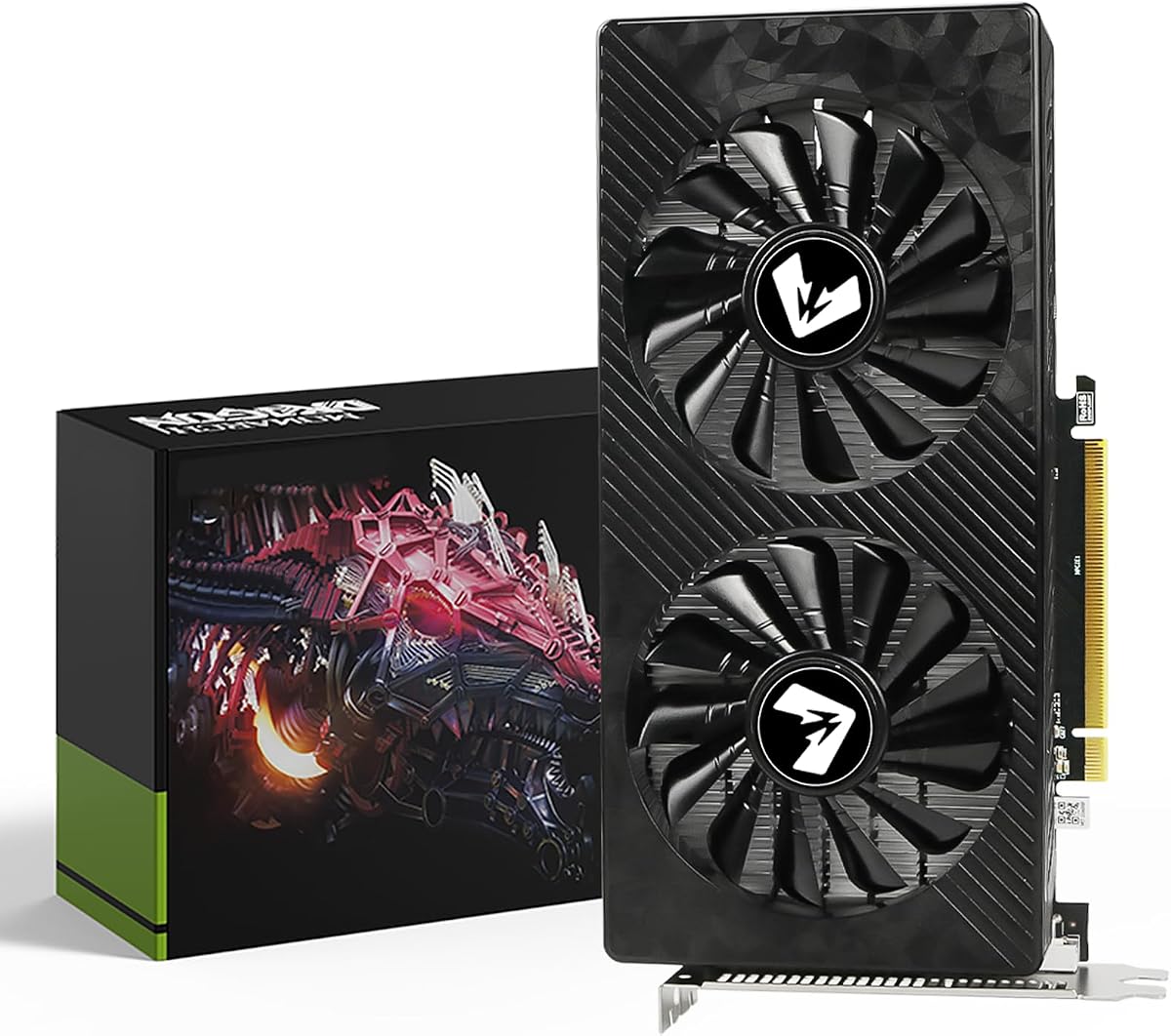
The SOYO GeForce GT 740 offers an entry-level solution for Linux users needing basic graphical acceleration. With a 4.5 rating, it provides smooth 1080p video playback and reliable multitasking without requiring external power.
We may earn a commission when you buy through this link, at no additional cost to you.
Key strengths include a triple display output interface and plug-and-play compatibility with most Linux systems. The low power design ensures it works with older power supplies and slim desktop cases.
Trade-offs include DDR3 memory and limited gaming performance compared to modern cards. However, for office tasks and media playback, these limitations are often acceptable given the low cost.
This card is ideal for budget-conscious Linux users upgrading from integrated graphics. Its simplicity and affordability make it a practical choice for lightweight computing needs.
The triple display output allows multiple monitors for improved workflow efficiency in Linux office environments without extra hardware.
Draws power directly from the PCIe slot, eliminating the need for external connectors and simplifying installation in older systems.
We may earn a commission when you buy through this link, at no additional cost to you.
The GIGABYTE RTX 3050 WINDFORCE delivers reliable performance for Linux gaming and content creation. Its 4.6 rating reflects consistent hardware quality and effective thermal management during extended sessions.
We may earn a commission when you buy through this link, at no additional cost to you.
Key strengths include dual WINDFORCE fans for cooling and 3rd generation tensor cores for AI-enhanced tasks. The 6GB GDDR6 memory handles modern titles well at 1080p settings.
Trade-offs include a 96-bit bus which may limit bandwidth compared to wider interfaces. However, for most users, the performance remains competitive and stable under load.
This card is recommended for Linux gamers seeking value without sacrificing essential features. Its balance of cooling and performance makes it a strong contender in the mid-range segment.
The dual fan setup ensures efficient heat dissipation, keeping temperatures low during gaming or rendering tasks.
Tensor cores enable DLSS and other AI features that improve performance and visual fidelity in supported Linux applications.
We may earn a commission when you buy through this link, at no additional cost to you.
The PNY NVIDIA T1000 is tailored for professional Linux workloads requiring certification and stability. Its 4.7 rating highlights reliability in design and visualization tasks across various software applications.
We may earn a commission when you buy through this link, at no additional cost to you.
Key strengths include ISV certification ensuring compatibility with over 100 professional apps. The four DisplayPort outputs support multiple high-resolution displays for efficient workflow management.
Trade-offs include limited VRAM which may not suit heavy 3D rendering. However, for CAD and moderate visualization, its performance and stability are highly valued.
This card is ideal for Linux engineers and designers needing dependable professional hardware. Its certified drivers and multi-display support make it a practical choice for office environments.
ISV certification guarantees tested compatibility with industry software, reducing crashes and ensuring reliable performance.
Four DisplayPort outputs enable extensive multi-monitor setups ideal for coding, data analysis, and design workflows.
We may earn a commission when you buy through this link, at no additional cost to you.
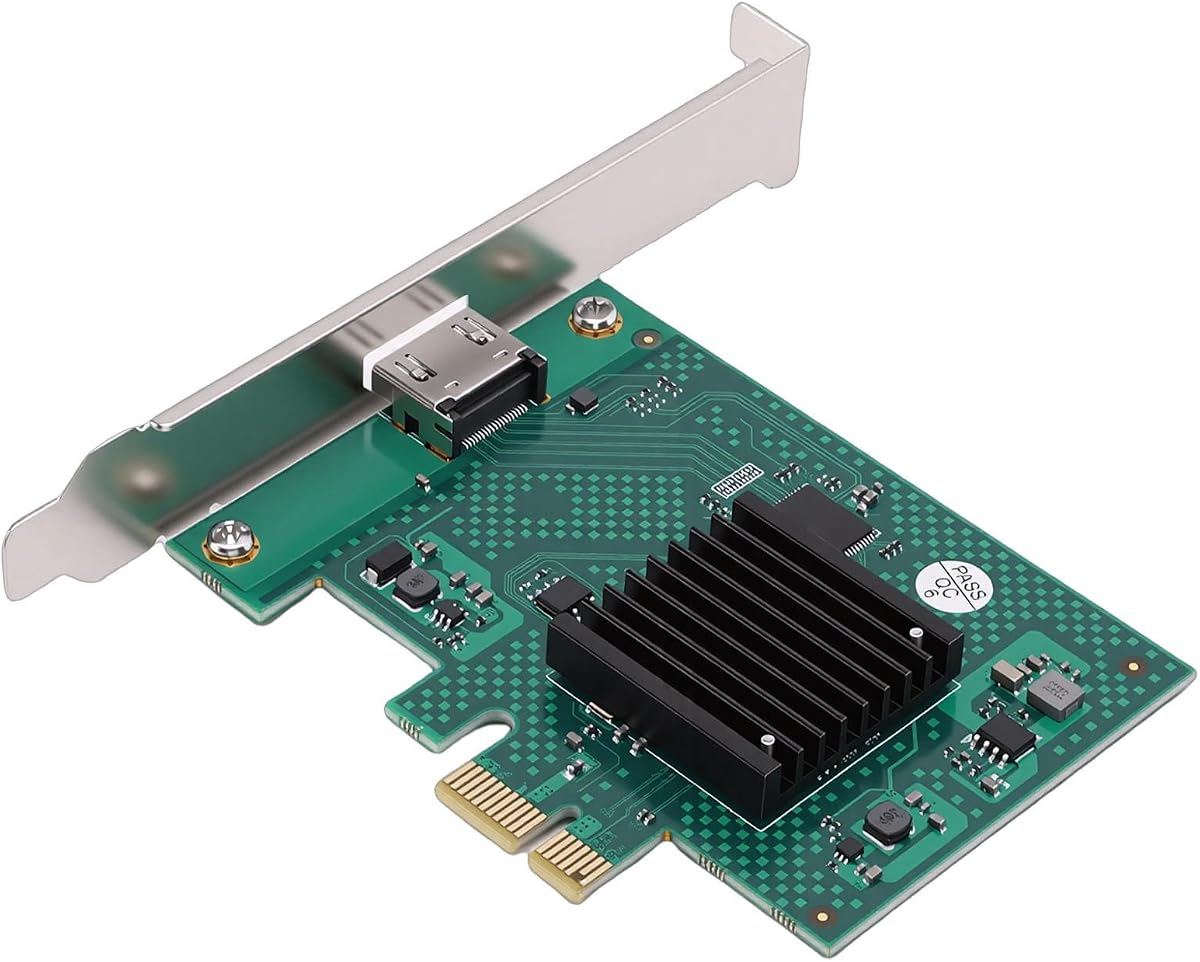
This GT 740 4GB Low Profile card offers unique connectivity for Linux users needing multiple HDMI outputs. With a 4.1 rating, it provides simple plug-and-play functionality for media and office tasks.
We may earn a commission when you buy through this link, at no additional cost to you.
Key strengths include four built-in HDMI ports enabling quad-monitor setups without adapters. The low profile design fits easily into small form factor cases common in Linux HTPC builds.
Trade-offs include older GDDR5 memory and limited gaming capability. However, for digital signage and media playback, its connectivity and compact size are significant advantages.
This card is recommended for Linux users with small cases or needing multiple HDMI connections. Its simplicity and silent operation make it suitable for noise-sensitive environments.
Four HDMI ports allow direct connection to multiple displays or TVs without extra adapters or dongles.
The low profile bracket ensures installation in compact Linux cases where standard GPUs would not fit.
We may earn a commission when you buy through this link, at no additional cost to you.
The maxsun AMD Radeon RX 550 is a solid entry for Linux users preferring open-source drivers. With a 4.4 rating, it offers reliable multimedia performance and easy integration into small PC builds.
We may earn a commission when you buy through this link, at no additional cost to you.
Key strengths include strong open-source driver compatibility and efficient 4K video decoding. The 9CM fan ensures quiet operation suitable for office and media center environments.
Trade-offs include limited gaming performance compared to modern cards. However, for basic tasks and media playback, its efficiency and driver support are valuable.
This card is ideal for Linux enthusiasts seeking open-source hardware. Its compact size and driver compatibility make it a practical choice for lightweight desktop and HTPC setups.
AMD graphics offer excellent support for Mesa drivers, ensuring smooth integration with most Linux distributions out of the box.
Hardware video decoding supports efficient playback of high-resolution content without taxing the CPU.
We may earn a commission when you buy through this link, at no additional cost to you.
The msi GT 1030 4GB provides reliable entry-level performance for Linux systems. With a 4.5 rating, it offers essential GPU acceleration with modern display outputs and easy installation.
We may earn a commission when you buy through this link, at no additional cost to you.
Key strengths include DisplayPort 1.4a support and DDR4 memory for improved bandwidth. The single fan design ensures quiet operation in small cases without external power requirements.
Trade-offs include limited 64-bit memory interface which caps performance. However, for office work and media, this remains sufficient for basic needs.
This card is recommended for Linux users needing simple GPU acceleration. Its compact design and modern outputs make it a practical upgrade from integrated graphics.
DisplayPort and HDMI outputs support high-resolution displays common in modern Linux desktop setups.
No external power is needed, allowing straightforward installation in systems with limited PSU capacity.
We may earn a commission when you buy through this link, at no additional cost to you.
The MOUGOL AMD RX 580 delivers strong gaming and creation performance for Linux users. With a 4.2 rating, it offers 8GB of VRAM and robust open-source driver support.
We may earn a commission when you buy through this link, at no additional cost to you.
Key strengths include ample memory for modern games and content creation apps. The triple display connectors provide flexibility for multi-monitor setups in Linux workstations.
Trade-offs include higher power consumption and older architecture. However, the performance and memory capacity provide excellent value for the price.
This card is recommended for Linux gamers and creators on a budget. Its high VRAM and driver compatibility make it a reliable choice for demanding tasks.
8GB memory allows for higher texture settings and larger project files in Linux creation software.
AMD hardware benefits from mature Mesa drivers ensuring stable performance across many Linux distributions.
We may earn a commission when you buy through this link, at no additional cost to you.
The Gugxiom PCIe x1 SM750 offers a basic solution for Linux systems needing display output. While ratings vary, it provides reliable 2D acceleration for lightweight office and industrial applications.
We may earn a commission when you buy through this link, at no additional cost to you.
Key strengths include compact PCIe x1 design fitting older or limited slots. The wide temperature range ensures operation in challenging environments where standard cards might fail.
Trade-offs include lack of 3D acceleration and single display output. However, for systems requiring minimal graphical needs, this card provides essential functionality.
This card is recommended for Linux users in legacy or industrial systems needing simple display output. Its durability and compact size make it a practical option for basic setups.
Designed to operate across extreme temperatures, making it suitable for specialized or outdoor Linux installations.
The PCIe x1 interface allows installation in older systems lacking modern PCIe slots.
We may earn a commission when you buy through this link, at no additional cost to you.
Selecting a graphics card for Linux requires considering driver support, performance needs, and hardware compatibility. This section outlines key factors to help you find the right card for your setup.
Linux compatibility depends heavily on driver availability. NVIDIA offers proprietary drivers with strong performance, while AMD provides open-source Mesa drivers integrated into most distributions.
Choose vendors with active Linux support to ensure stability and long-term usability.
VRAM affects performance in gaming and creative tasks. Larger memory helps with high-resolution textures and complex datasets in AI workloads.
Prioritize at least 8GB for modern workloads to ensure smooth performance.
Graphics cards vary in power requirements. Some need external connectors while others run directly from the PCIe slot.
Ensure your power supply meets the card's needs to avoid instability or damage.
Case size determines which GPUs fit. Low profile cards are essential for small form factor systems while standard cards fit most towers.
Measure your case clearance before purchasing to ensure physical compatibility.
Modern cards offer HDMI DisplayPort, and DVI outputs. Multi-monitor setups require multiple connectors or daisy chaining capabilities.
Verify outputs match your monitor's inputs for seamless setup.
Define your primary tasks whether gaming, office work, or professional rendering. Different cards excel in specific areas.
Select a card aligned with your main workload to maximize value.
Prices range significantly across the market. Determine your spending limit while balancing performance needs.
Higher-end cards offer better longevity but may exceed needs for basic use.
Cooling efficiency affects noise and stability during extended use. Look for cards with reliable fan designs and adequate airflow.
Efficient cooling ensures consistent performance and reduces wear over time.
After installing the card, update your Linux system and install necessary drivers. Most distributions support AMD GPUs natively while NVIDIA may require additional proprietary packages.
Monitor temperatures using tools like lm-sensors or nvtop to ensure stable operation. Clean dust from fans periodically to maintain cooling efficiency.
Adjust display settings through system preferences to configure multi-monitor layouts properly. Test rendering or gaming performance to verify setup success.
Yes, NVIDIA cards work with Linux using proprietary drivers provided by the manufacturer. These drivers support most major distributions and offer strong performance for gaming and professional tasks.
Most mainstream distributions like Ubuntu, Fedora, and Arch Linux support AMD GPUs through open-source Mesa drivers. Installation is typically automatic without extra steps.
AMD cards usually work out-of-the-box with open-source drivers. NVIDIA cards may require installing proprietary drivers for full functionality and performance.
Yes, Linux supports multi-GPU configurations for rendering and compute tasks. Specific setups may require configuration to enable scaling across cards.
Professional cards offer certified drivers and larger VRAM suited for engineering and design. For general use, consumer cards provide better value and performance.
Use terminal commands like lspci to detect the card and nvidia-smi or radeontop to check driver status. Most system settings also display active GPU information.
We reviewed ten graphics cards suitable for Linux ranging from budget entry-level to high-end workstations. The ASUS RTX 3050 and ASRock Intel Arc Pro B60 lead in performance and professional features.
Prioritize driver support and memory capacity based on your specific needs. AMD offers open-source convenience while NVIDIA provides strong proprietary support for demanding workloads.
Always verify current pricing and availability before purchasing. Your ideal card depends on balancing performance requirements with budget constraints.