
FotoZ Macro Conversion Lens
4.6Editor score
37mm to 72mm universal compatibility
8 diopter close-up design
Tool-free instant snap-on mechanism
This guide compares the best Macro Lens for Insect Photography options including smartphone attachments and dedicated cameras to help you capture stunning
Capturing the intricate details of tiny creatures requires specialized equipment designed to magnify subjects without losing clarity. A good macro lens allows photographers to explore the miniature world of insects with sharp focus and vibrant colors.
We evaluated ten top-rated products based on optical performance, magnification ratios, build quality, and ease of use. Each option offers unique features tailored to different camera systems and shooting environments for nature enthusiasts.
Every selection highlights specific strengths such as budget-friendly clip-ons or professional-grade optics. Note that product availability and pricing may vary over time so check current listings before making a final purchase decision.
4.6Editor score

4.7Editor score
4.6Editor score
The following table provides a side-by-side comparison of all ten products to help you quickly identify which model fits your specific camera setup and budget requirements.


This Canon lens stands out as the premier choice for serious macro photography with its unique ability to reach 1.4x magnification. It delivers professional quality images with exceptional sharpness and color fidelity suitable for demanding insect photography sessions.
We may earn a commission when you buy through this link, at no additional cost to you.
The hybrid image stabilization compensates for both angular and shift shake allowing you to shoot handheld in lower light conditions. The spherical aberration control ring lets you adjust the character of your foreground and background blur creatively.
While the weight might be significant for extended field trips the build quality justifies the bulk. The autofocus speed is impressive even in macro range ensuring you never miss a fleeting moment of insect activity.
Ideal for Canon RF users who want the absolute best optical performance this lens is a worthy investment. It combines technical precision with creative control to produce stunning close-up results consistently.
Unlike standard macro lenses this model offers 1.4x magnification allowing you to capture tiny details that would otherwise remain invisible to the naked eye.
The dedicated control ring allows you to fine-tune the shape and feel of out-of-focus areas adding a unique artistic touch to your subject isolation.
We may earn a commission when you buy through this link, at no additional cost to you.
For photographers seeking a dedicated macro lens without a high price tag this TTARTISAN option offers incredible value. It provides true 1:1 magnification which is essential for capturing fine details on insects and small subjects.
We may earn a commission when you buy through this link, at no additional cost to you.
The all-metal construction feels durable and professional despite being lighter than many competitors. The creamy bokeh at f2.8 helps separate your subject from busy natural backgrounds effectively.
Manual focus requires a bit of practice especially for moving subjects but it allows precise control over depth of field. The lens is optimized for Sony E-mount systems ensuring seamless integration with your camera.
This lens is perfect for enthusiasts who want to step up from smartphone attachments to a real camera lens. It balances cost and performance well making macro photography accessible to more people.
You can capture life-size images of your subject on the camera sensor which is crucial for accurate representation of small insects and textures.
Weighing significantly less than similar options this lens is easy to carry during long hiking trips to find the perfect shooting location.
We may earn a commission when you buy through this link, at no additional cost to you.
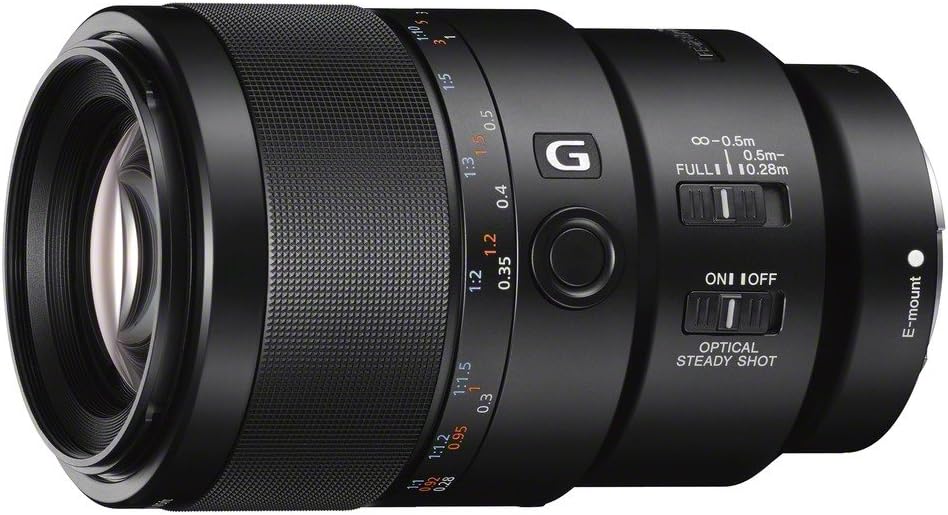
This Sony lens is renowned for its sharpness and build quality making it a top choice for professional wildlife and insect photographers. The Nano AR coating significantly reduces flare and ghosting ensuring clean images even in challenging lighting.
We may earn a commission when you buy through this link, at no additional cost to you.
The Optical Steady Shot stabilization helps maintain sharpness when shooting handheld which is common in field conditions. The Direct Drive SSM system provides quick and silent focusing that won't disturb your subjects.
While it is an investment piece the durability and image quality justify the cost for serious users. The moisture resistant design means you can shoot in damp environments without worrying about damage to the lens.
If you own a Sony full-frame camera this lens is arguably the best macro choice available. It delivers consistent professional results that stand up to the most demanding photography projects.
Nano AR coating helps eliminate internal reflections keeping your images crisp and vibrant even when shooting against bright backgrounds like sunlight through leaves.
The quiet motor operation allows you to focus without scaring away skittish insects ensuring you get the shot without disturbing the natural environment.
We may earn a commission when you buy through this link, at no additional cost to you.
This smartphone lens turns your mobile device into a powerful macro tool without needing a dedicated camera. It is designed to capture stunning details on insects and flowers with up to 10x magnification.
We may earn a commission when you buy through this link, at no additional cost to you.
The F1.05 aperture allows more light to enter helping in lower light situations where phones typically struggle. The universal clip fits most phone models making it versatile for many users.
Image quality depends on your phone's camera sensor but the lens itself provides clear optical performance. It is an excellent entry point for those who want to explore macro photography without buying new gear.
Ideal for travelers and hobbyists this lens adds serious capability to your pocket camera. It makes macro photography accessible and fun for anyone with a smartphone.
The 10x magnification allows you to get extremely close to tiny subjects capturing details you might miss with the naked eye.
The large aperture lets in more light helping you get clearer shots in shaded forest areas where insects often hide.
We may earn a commission when you buy through this link, at no additional cost to you.
This lens offers a more professional mounting solution for smartphone photographers who want durability and precision. It uses a screw-in system that connects to cases or adapters for a stable attachment.
We may earn a commission when you buy through this link, at no additional cost to you.
The optical design ensures high definition imaging with natural bokeh that enhances your subject. You can control the shooting distance within a 45 to 90mm range for optimal focus.
The aluminum alloy body feels robust and provides a comfortable grip during use. It is a great choice for users who want a clip-on alternative that feels more like a camera lens.
If you prefer a secure connection over a simple clip this lens delivers reliable performance. It upgrades your phone capabilities significantly for detailed insect photography.
The screw-in design ensures the lens stays securely attached to your phone preventing movement or wobble during critical shots.
With a variable focus distance you can fine-tune your composition to capture the perfect angle of your subject.
We may earn a commission when you buy through this link, at no additional cost to you.
This lens is a versatile tool that can handle macro work alongside everyday shooting tasks. Its compact size makes it ideal for carry-on travel where you need one lens for multiple scenarios.
We may earn a commission when you buy through this link, at no additional cost to you.
The bright aperture helps in low light conditions making it useful for indoor or shaded insect photography. The optical stabilization ensures steady shots even at slower shutter speeds.
While it does not reach true 1:1 magnification it provides 0.5x which is sufficient for many close-up needs. It is a practical option for Canon users who do not want a dedicated telephoto macro.
For those who value flexibility this lens offers a balance of macro capability and general utility. It allows you to shoot insects without carrying a heavy specialized lens.
Its small footprint makes it easy to pack for trips where space is limited but you still want to capture close-up details.
The F1.8 maximum aperture lets you create subject separation and capture sharp images even in dimly lit environments.
We may earn a commission when you buy through this link, at no additional cost to you.
This conversion lens allows you to turn your existing camera lens into a macro setup without buying a whole new prime. It is a cost-effective way to experiment with close-up photography.
We may earn a commission when you buy through this link, at no additional cost to you.
The 8 diopter power lets you get much closer to your subject while maintaining sharp details. Multi-coated glass helps improve clarity and reduce internal reflections.
The spring-loaded adapter makes installation quick and secure without needing tools. It fits a wide range of filter thread sizes making it highly versatile for different camera kits.
Perfect for hobbyists who want to try macro photography before investing in expensive gear this accessory offers great value. It extends the capabilities of your current equipment effectively.
Supporting sizes from 37mm to 72mm this lens fits most popular camera lenses giving you flexibility across different brands and models.
The snap-on design allows you to switch between normal and macro photography quickly without removing your main lens setup.
We may earn a commission when you buy through this link, at no additional cost to you.
This kit provides four different magnification strengths giving you the flexibility to choose the right power for your subject. You can use them individually or stack them for even higher close-up power.
We may earn a commission when you buy through this link, at no additional cost to you.
The double threaded design allows you to stack filters together to create custom magnification levels like +3 or +5. It is a versatile set for photographers who want variety without buying multiple lenses.
While stacking filters can introduce some optical degradation it is a useful trick for extreme close-ups. The included pouch keeps everything organized and protected in your camera bag.
Great for beginners exploring macro photography this set offers a low-risk way to test different magnification levels. It is an economical addition to your lens collection.
You can combine filters to increase power allowing you to get closer to your subject than a single filter would allow.
The nylon pouch ensures your filters stay clean and scratch-free during travel keeping your accessories ready for any shoot.
We may earn a commission when you buy through this link, at no additional cost to you.
This kit offers more than just a macro lens by including a wide angle lens and a rechargeable LED light. The light helps illuminate dark subjects which is a common challenge in macro work.
We may earn a commission when you buy through this link, at no additional cost to you.
The 15x macro lens provides strong magnification suitable for tiny details on insects and textures. The TruGrip clip keeps the lens stable on your phone during shooting.
The included travel case keeps all components organized so you do not lose any parts. It is a comprehensive solution for mobile photographers who want a versatile kit.
Ideal for students or casual photographers this kit provides everything needed to start macro photography on a budget. It simplifies the process with included accessories and storage.
The GlowClip LED light allows you to illuminate dark subjects effectively improving visibility and image quality in shaded areas.
Having both macro and wide angle lenses in one package gives you flexibility to capture close details and broader scenery easily.
We may earn a commission when you buy through this link, at no additional cost to you.
This lens is designed for extreme close-up photography with a magnification range from 2 to 5x. It allows you to capture details that are significantly larger than life size.
We may earn a commission when you buy through this link, at no additional cost to you.
The wide angle configuration helps increase depth of field at high magnification making focusing easier than with longer lenses. It is lightweight and easy to handle for long sessions.
Since it does not support infinity focus it is dedicated solely to macro work. Manual focus is required which allows precise adjustments but may be slow for fast subjects.
For Sony users looking for ultra-high magnification this lens offers a unique capability. It is a specialized tool for those who need extreme detail in their images.
With up to 5x magnification you can reveal minute structures on insects that are invisible without specialized optical tools.
The wide angle design provides better depth of field control at high magnifications helping you keep more of your subject in focus.
We may earn a commission when you buy through this link, at no additional cost to you.
Selecting the right macro lens involves balancing optical performance, budget, and camera compatibility to suit your specific needs.
Magnification ratio determines how large your subject appears on the sensor. A 1:1 ratio means life-size while higher ratios like 2:1 or 5:1 capture even greater detail for tiny insects.
Look for lenses offering at least 1:1 for true macro work but consider higher ratios if you need extreme close-ups of very small features.
Focal length affects your working distance and depth of field. Shorter lenses like 50mm require getting very close to the subject while longer lenses like 90mm or 100mm let you shoot from further away.
For insects a longer focal length helps avoid scaring them away and provides better background separation for cleaner images.
Autofocus is faster and more convenient for moving insects while manual focus offers precise control over depth of field. Some lenses offer hybrid systems for the best of both worlds.
Decide based on your shooting style; fast movers need AF while static subjects benefit from the control of manual focusing.
Image stabilization is critical for macro photography because even tiny hand movements can blur images. Optical stabilization helps maintain sharpness especially in lower light conditions.
Prioritize lenses with built-in stabilization to allow handheld shooting without relying on high shutter speeds.
Macro photography often takes place outdoors so durability matters. Look for weather sealing to protect against dust and moisture while hiking in nature.
Metal construction adds robustness and a better feel which justifies the extra cost for frequent users.
Prices range from affordable clip-on phone lenses to expensive professional glass. Determine your budget and whether you need a dedicated camera lens or can manage with an accessory.
Starting with an adapter or smartphone lens can help you decide if investing in a high-end lens is right for you.
Ensure the lens is compatible with your specific camera system such as Canon RF or Sony E-Mount. Using the wrong mount can render a lens unusable without expensive adapters.
Check manufacturer compatibility lists carefully before purchasing to guarantee seamless integration with your camera.
Good light is essential for clear macro shots. Larger apertures allow more light in while external lights or built-in flashes help illuminate subjects in shaded areas.
Consider lenses with wider apertures or purchase additional lighting accessories to improve results in low light.
Set your camera to manual mode or aperture priority to control depth of field. Use a tripod if possible to stabilize the camera and reduce blur from hand movement.
Focus carefully by moving your entire body forward or backward rather than relying solely on the lens focus ring. Use live view and zoom in on the screen to ensure precise focus on the subject.
Keep your lens clean by using a microfiber cloth and air blower. Store the lens in a dry place to prevent moisture damage and ensure it remains ready for your next outdoor session.
A magnification ratio of 1:1 is generally considered standard for macro photography and is sufficient for most insect work. If you need extreme detail on tiny features like eyes or wings a higher ratio like 2:1 or 5:1 may be beneficial.
Yes you can use clip-on macro lenses specifically designed for smartphones. These attach to the camera lens and provide extra magnification allowing you to capture close-up details without needing a dedicated camera.
A tripod is highly recommended because it stabilizes the camera and allows you to use slower shutter speeds without blur. However with good stabilization you can shoot handheld if you need to move quickly to catch a subject.
The minimum focusing distance varies by lens but dedicated macro lenses allow you to get very close usually within a few inches of the subject. This proximity ensures the details are captured clearly on your camera sensor.
An aperture between f/8 and f/11 is often ideal because it provides enough depth of field to keep most of the subject in focus. Wider apertures may make the image too soft if only a tiny part is sharp.
Manual focus offers precise control over which part of the subject is sharp especially at high magnifications. However autofocus is faster for moving insects so having both options or a hybrid system is advantageous.
Use a soft microfiber cloth to gently wipe the glass after blowing away dust with an air blower. Avoid harsh chemicals or rough fabrics that could scratch the delicate optical coatings on your lens.
We explored ten versatile options ranging from dedicated camera lenses to smartphone attachments. Each product offers unique strengths whether you need extreme magnification or a budget-friendly solution for your device.
Prioritize optical quality and image stabilization if you plan to shoot handheld or in variable light. Match the lens to your camera system to ensure seamless performance and reliable results in the field.
Prices and availability fluctuate frequently so verify current listings before finalizing your purchase. Select the tool that best fits your style to begin capturing stunning macro details of nature.