
TP-Link Tapo Motion Sensor
4.5Editor score
Long battery life
Adjustable sensitivity
Real-time notifications
This guide compares the top Matter compatible motion sensors for smart homes, evaluating features like detection range, battery life, and ecosystem integration
Finding the right motion sensor for your smart home can be tricky with so many options available today. You need something reliable that works seamlessly with your existing devices without constant connectivity issues or complex setups.
We have compared ten leading models based on their detection technology, compatibility with Matter standards, ease of installation, and overall performance in real world scenarios to give you a clear picture.
Each pick shows specific strengths and weaknesses so you can decide which one fits your budget and needs best. Keep in mind that prices and availability can change frequently on retail platforms.
4.5Editor score

3.8Editor score

3.7Editor score
Here is a side-by-side look at the top ten matter compatible motion sensors currently available. We highlight key specifications to help you quickly identify which model meets your specific home automation requirements.


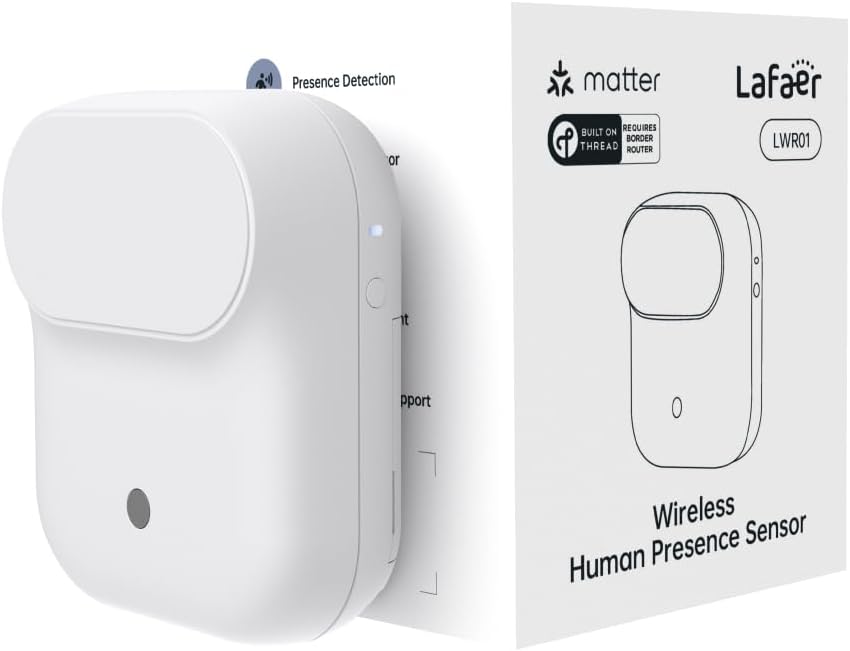


The meross Presence Sensor MS600 stands out for its ability to detect stillness using radar technology. This makes it ideal for rooms where people sit for long periods without moving.
We may earn a commission when you buy through this link, at no additional cost to you.
It combines PIR and mmWave radar with a light sensor to offer comprehensive automation options. The adjustable base allows you to pivot and rotate it easily for optimal coverage.
While it requires a constant power source, this ensures it never misses a signal due to battery drain. It also includes a pet-proof shield to avoid false triggers from animals.
If you need reliable presence detection in a living room or office, this sensor delivers. Just ensure you have a compatible hub set up for Matter functionality.
The mmWave radar detects subtle movements like breathing, so lights stay on even when you are reading on the couch.
Built-in light sensing helps automate lighting based on ambient brightness, saving energy during daylight hours.
We may earn a commission when you buy through this link, at no additional cost to you.
The TP-Link Tapo Motion Sensor offers excellent value for those already in the Tapo ecosystem. It uses a low-power protocol to ensure long battery life.
We may earn a commission when you buy through this link, at no additional cost to you.
You can adjust sensitivity settings to fit different environments like hallways or bedrooms. Real-time notifications keep you informed of any activity detected.
The main limitation is the need for a separate hub to function. If you do not have one, this adds to the initial cost and setup complexity.
For budget-conscious users wanting reliable motion tracking, this is a strong choice. It works well for security and simple lighting automation tasks.
Using a single CR2450 battery, it can last up to two years depending on usage frequency.
Adjust detection range to avoid false alarms from pets or distant movement.
We may earn a commission when you buy through this link, at no additional cost to you.
The Aqara Presence Sensor FP300 packs multiple sensors into one device, including temperature and humidity tracking. This makes it versatile for climate control automation.
We may earn a commission when you buy through this link, at no additional cost to you.
AI helps refine detection to reduce false positives over time. It works over Thread for stable connectivity without needing a Wi-Fi hub.
The wireless design means you can place it anywhere without worrying about power outlets. However, you need a compatible Thread Border Router to use Matter features.
If you want a comprehensive environmental sensor that also detects presence accurately, this is the top pick. It suits tech-savvy users building a full smart home system.
Tracks temperature and humidity alongside motion to enable smarter climate control routines.
The sensor learns your patterns to minimize unnecessary triggers and improve accuracy over time.
We may earn a commission when you buy through this link, at no additional cost to you.
This sensor is built to handle humidity and moisture, making it perfect for bathrooms or outdoor areas. It uses AI to understand space usage patterns better over time.
We may earn a commission when you buy through this link, at no additional cost to you.
Matter support via Thread allows for local control which enhances privacy and speed. The battery lasts up to three years so maintenance is minimal.
Some users may need to update firmware to get full functionality. Also, setting up zoning requires navigating the app carefully.
Ideal for humid spaces where standard sensors might fail. It balances durability with smart features well for modern home needs.
The IP67 rating ensures protection against water exposure in bathrooms or garages.
Split detection zones to trigger different automations based on specific areas.
We may earn a commission when you buy through this link, at no additional cost to you.
Eve Motion sensors are designed with privacy in mind, operating locally without cloud dependency. The 3-pack makes it cost-effective to cover multiple rooms at once.
We may earn a commission when you buy through this link, at no additional cost to you.
They connect seamlessly with Apple Home for fast and reliable automation. Light sensing helps adjust brightness based on time of day.
The price is higher than competitors, but the reliability and privacy features justify it. Ensure you have a Thread Border Router to use Matter capabilities.
Apple users seeking privacy-focused devices will appreciate this option. It offers robust performance across the entire ecosystem without extra latency.
Data is processed locally so it remains private and responds faster.
Buying three at once provides better value than purchasing individually.
We may earn a commission when you buy through this link, at no additional cost to you.
This sensor supports both battery and direct power options giving you flexibility based on your installation spot. It detects subtle movements using radar tech for accuracy.
We may earn a commission when you buy through this link, at no additional cost to you.
IPX3 rating means it handles splashes well in bathrooms. The light sensor prevents lights from turning on during daylight.
It works with Matter over Thread which ensures stability and lower latency. However, it does require a compatible hub to function properly.
Good for users needing power flexibility in a compact unit. It balances cost with essential smart home features effectively.
Use batteries for portability or plug in for constant operation.
Automates lights based on ambient brightness to save energy.
We may earn a commission when you buy through this link, at no additional cost to you.
If battery life is your main concern, this sensor lasts up to five years on one charge. It provides wide angle detection to cover large areas.
We may earn a commission when you buy through this link, at no additional cost to you.
You can adjust timeouts to save power or catch every movement quickly. It integrates well with HomeKit and Alexa though not directly via Matter.
Requires a specific Zigbee hub which might limit compatibility with non-Aqara ecosystems. But within that ecosystem, performance is rock solid.
Best for long-term security and lighting setups where maintenance should be rare. It is a reliable choice for steady automation.
Lasts up to five years so you rarely need to replace batteries.
Customize how long devices stay on after motion stops.
We may earn a commission when you buy through this link, at no additional cost to you.
SwitchBot uses AI to filter out air movements from fans or ACs so it only detects humans. This reduces false triggers significantly.
We may earn a commission when you buy through this link, at no additional cost to you.
The magnetic base allows quick installation anywhere. You can define zones to tailor detection to specific areas.
Battery life is solid at around two years. It works with Matter through their hub which adds connectivity options.
Ideal for rooms with frequent air movement where standard sensors struggle. It provides a smart solution to common detection problems.
AI filters out false positives from moving air or fans automatically.
Set specific zones to avoid detecting movement outside your intended area.
We may earn a commission when you buy through this link, at no additional cost to you.
This model detects motion in just five seconds which makes lighting activation feel instant. It offers three years of battery life per cycle.
We may earn a commission when you buy through this link, at no additional cost to you.
Local scenes work even if Wi-Fi is down as long as the hub has power. It is compatible with various Zigbee bridges.
Lacks a light sensor so you cannot automate based on brightness. Still, it is cost-effective for simple motion needs.
Great for quick automation in hallways or entryways. Its speed and battery performance make it a dependable choice.
Lights turn on within five seconds of detecting movement.
Automations run locally even if your internet connection fails.
We may earn a commission when you buy through this link, at no additional cost to you.
The P2 sensor integrates motion and light detection for nuanced automation. It helps create lighting that matches the time of day naturally.
We may earn a commission when you buy through this link, at no additional cost to you.
Battery life is up to two years. It connects via Thread for faster response times compared to older protocols.
Alexa users may find light features limited. But overall it offers a balanced approach to modern smart home needs.
If lighting ambiance is important to you, this sensor delivers. It works well with ecosystems that support full Matter integration.
Light sensor can function independently of motion for flexible automation.
Adjust light brightness based on daylight levels to match human rhythms.
We may earn a commission when you buy through this link, at no additional cost to you.
Selecting the right sensor involves looking at detection type, compatibility, power source, and design features. Here are key factors to consider before you buy.
Traditional PIR sensors detect movement but miss stillness. Modern mmWave radar or AI-driven sensors detect presence even when you are sitting still. If you need lights to stay on during long periods of inactivity, choose a presence sensor over a standard motion detector.
Look for models combining radar and PIR to reduce false triggers while maintaining coverage.
Matter ensures your sensor works with different smart home ecosystems. Check if it supports Matter over Thread for better range and reliability. Some units need a separate hub to enable Matter features so factor that into your setup.
Prioritize sensors that connect directly to your existing Thread Border Router for seamless integration.
Battery-powered sensors offer flexible placement but require periodic replacements. Wired or corded options provide continuous operation without battery changes. Decide based on your mounting location and how often you can maintain the device.
Consider sensors with optional wired support for high-traffic areas needing constant uptime.
Long battery life reduces maintenance frequency significantly. Models range from one to five years depending on usage patterns and power protocol. Check battery type and availability to ensure future replacements are accessible.
Opt for energy-efficient protocols like Thread or Zigbee to extend battery performance.
IP ratings like IP67 or IPX3 indicate resistance to dust and water. If installing in bathrooms or outdoors, ensure the sensor can withstand moisture. This durability prevents premature failure due to environmental conditions.
Choose water-resistant options for high-humidity zones to ensure reliability.
Integrated light sensors allow automation based on ambient brightness. This saves energy by avoiding light activation during daylight. Confirm if the light sensor works independently of motion for advanced routines.
Select sensors with light detection for smarter energy management.
A wider field of view covers more area with a single device. Detection range determines how far away motion is recognized. Adjust sensitivity settings to avoid triggering from pets or distant movements.
Match the sensor range to your room size for optimal coverage.
Some brands process data locally to protect your privacy. Cloud-free operation ensures features still work without internet access. Look for features emphasizing local control to avoid dependency on remote servers.
Choose privacy-focused sensors if data security is a priority for you.
Mount the sensor at a height of about seven to eight feet to capture full body movement. Avoid placing it directly near heat sources or vents that might trigger false alarms.
Adjust the viewing angle to cover key areas without pointing directly at reflective surfaces. This improves accuracy by reducing signal bounce that could confuse the sensor.
Regularly check battery levels through the app and update firmware to maintain performance. If coverage weakens, reposition the unit slightly for a clear line of sight.
Not every motion sensor supports Matter yet. You must check the product specifications to confirm it has Matter certification. Many newer models do but older ones might rely on Zigbee or Wi-Fi only.
Motion sensors detect movement while presence sensors detect stillness too. Presence sensors use radar to see breathing or subtle shifts so lights stay on even when you are still.
Most Matter sensors still need a Thread Border Router or compatible hub to function. Some Wi-Fi models connect directly but others require a hub for full features.
Adjust sensitivity settings and use pet-proof shields if available. Position the sensor higher up so it does not detect small movements from animals on the floor.
Most use CR2450 or CR2477 lithium batteries but models differ. Always check the specs to ensure you buy the correct replacement type when needed.
Yes if the sensor has an IPX3 or higher rating for water resistance. Ensure it is protected from direct rain or extreme temperatures for best results.
Many Matter sensors work with Google Home but setup may require a compatible hub. Check the official compatibility list before purchasing to confirm Google Home support.
Setup usually takes just a few minutes using the companion app. Connect to your hub then add the device following the on-screen instructions for quick activation.
These ten options offer a range of features for different home setups. Whether you need presence detection or simple motion alerts there is a model to fit.
Prioritize compatibility and battery life to avoid constant maintenance. The right choice will enhance your smart home without frustrating connectivity issues.
Check current pricing and availability before purchasing as these change often. Buying during sales can help you get the best value for your investment.