
10 Pack 3 Pins AMS1117-3.3 DC 4.75V-12V to 3.3V Voltage Regulator
4.1Editor score
Affordable 10 pack linear regulator
Simple 3 pin connection design
Supports 0.8A current output
Compare the top 5V to 3V voltage regulator options for stable power conversion in microcontrollers, sensors, and embedded electronics projects.
Choosing the right voltage regulator is critical for powering sensitive electronics like microcontrollers and sensors. A stable output ensures reliable performance and prevents damage to your components during operation.
We compared ten highly rated buck converters and linear regulators based on input range, output current, size, and user feedback to find the best options for your project needs.
Each pick highlights key specs and real-world use cases so you can match the power supply to your build. Keep in mind that prices and availability may change over time.
4.1Editor score

4.6Editor score

5.0Editor score
This side-by-side comparison highlights the core specifications of each regulator to help you decide which one fits your voltage input and current output requirements best.


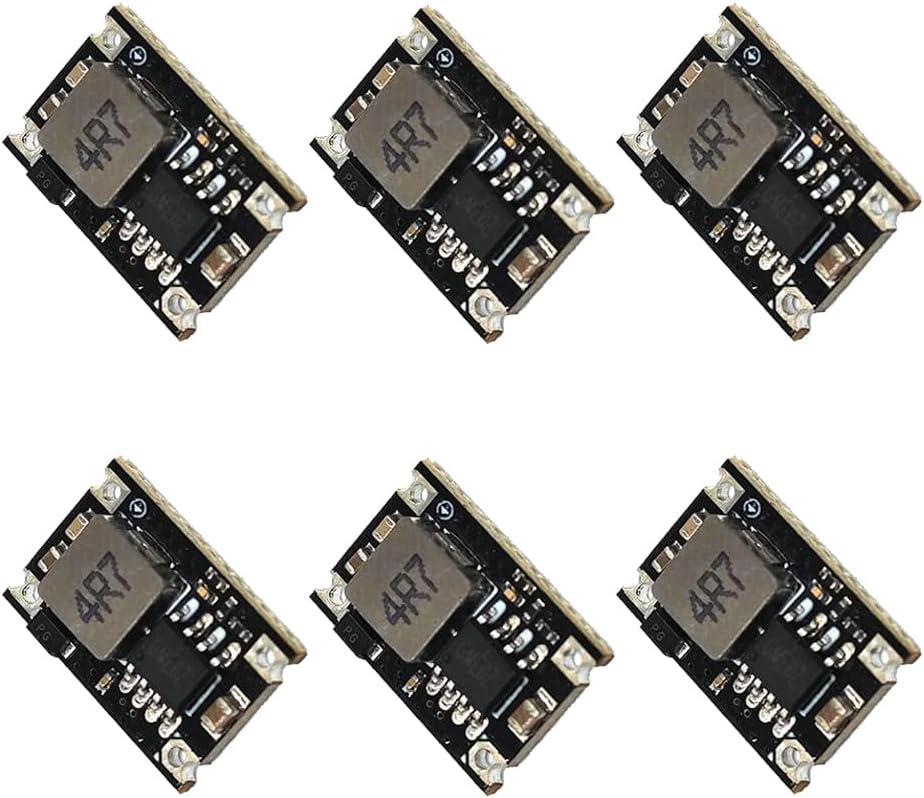
This buck converter module stands out for its wide input range and stable 3.3V output. With a 4.6 rating, it is a reliable choice for powering microcontrollers and sensors.
We may earn a commission when you buy through this link, at no additional cost to you.
The low ripple and 1MHz switching frequency ensure clean power. Its compact size makes it ideal for tight spaces in DIY projects.
Note that inductive loads like motors may need extra diodes and capacitors to prevent voltage spikes from damaging the circuit.
Buy this if you need a versatile and affordable regulator for multiple projects with different voltage sources.
Works with 5V, 9V, 12V, and 24V power supplies for maximum flexibility.
Low ripple under 30mV protects sensitive electronics from voltage fluctuations.
We may earn a commission when you buy through this link, at no additional cost to you.
The AMS1117-3.3 is a classic linear regulator known for simplicity. This 10 pack offers great value for projects needing multiple low-power supplies.
We may earn a commission when you buy through this link, at no additional cost to you.
Its 3-pin layout makes it easy to connect to development boards like Arduino. Overheat shutdown helps prevent damage under load.
Linear regulators can get warm when dropping voltage. Ensure proper ventilation if using them near other components.
Choose this budget option for small projects where heat is manageable and input voltage stays within limits.
Input and output pins allow quick connections to MCU development boards.
Built-in overheat shutdown protects the regulator during overload conditions.
We may earn a commission when you buy through this link, at no additional cost to you.
This Mini360 regulator offers premium performance with a 5.0 rating. Its small size and high current capacity make it perfect for advanced builds.
We may earn a commission when you buy through this link, at no additional cost to you.
The 1.5MHz switching frequency ensures stable power with low ripple. It can handle inductive loads with proper capacitor protection.
Though compact, it dissipates heat efficiently. Adding a Zener diode can help protect sensitive chips from ripple.
Invest in this for high-demand projects requiring reliable power in a tiny package.
17.5×12.3×4.3mm dimensions fit tightly constrained PCB layouts easily.
Switching technology reduces heat and improves battery life in portable devices.
We may earn a commission when you buy through this link, at no additional cost to you.
This buck/boost converter is unique in handling inputs as low as 1.8V. It is ideal for battery-powered sensors needing steady power.
We may earn a commission when you buy through this link, at no additional cost to you.
With a 5.0 rating, users trust its performance. It steps up or down to maintain 3.3V output.
It is limited to low current, so it suits microcontrollers or sensors only.
Select this if your project runs on single-cell batteries or varies voltage.
Boasts output voltage as battery voltage drops to maintain stable power.
We may earn a commission when you buy through this link, at no additional cost to you.
Dorhea provides a solid AMS1117-3.3 pack for stable linear regulation. It is reliable for constant power needs.
We may earn a commission when you buy through this link, at no additional cost to you.
Built-in thermal shutdown helps protect against overheating. It works well with ARM and MSP430 boards.
Remember the current limit stays at 800mA. Exceeding it may damage the unit.
Use this when simplicity and reliability are more important than efficiency.
Overheat shutdown circuit helps prevent chip damage in hot conditions.
We may earn a commission when you buy through this link, at no additional cost to you.
This 15-pack gives ample regulators for classroom or prototyping use. Its high rating confirms consistent quality across units.
We may earn a commission when you buy through this link, at no additional cost to you.
The ±2% accuracy ensures stable voltage for sensitive sensors. Low dropout voltage helps conserve battery.
Its linear nature means heat may build up. Use a heatsink if current nears limits.
Pick this for teams or projects needing many identical regulators.
15 units provide enough stock for large group projects or classes.
We may earn a commission when you buy through this link, at no additional cost to you.
This mini buck converter fits into tight spaces while delivering 1.8A. It is suited for small portable devices.
We may earn a commission when you buy through this link, at no additional cost to you.
The board marks reverse polarity for safety. Output ripple remains low under 30mV.
However, some users report lower reliability. Verify specs before critical uses.
Use for cost-effective small builds with enough current headroom.
Marked PCB prevents damage from incorrect power connections.
We may earn a commission when you buy through this link, at no additional cost to you.
With 4.5V to 30V input, this covers vehicle and solar systems. It is a flexible buck converter for varied environments.
We may earn a commission when you buy through this link, at no additional cost to you.
Output ripple stays low, ensuring clean power for microcontrollers. Its compact size suits wearables.
High input may cause heat. Ensure airflow or heat sinking.
Buy this for portable or vehicle power conversion projects.
Supports solar panel voltages and vehicle power for off-grid setups.
We may earn a commission when you buy through this link, at no additional cost to you.
This linear module simplifies 5V to 3.3V step-down. It handles up to 800mA and auto-adjusts within range.
We may earn a commission when you buy through this link, at no additional cost to you.
A 5.0 rating suggests high user satisfaction. It works well for low-current Arduino projects.
Input range limits flexibility outside 7V. Keep supply within limits.
Use for clean and affordable regulation for small boards.
Maintains stable output even with small input variations.
We may earn a commission when you buy through this link, at no additional cost to you.
This MP1584EN module delivers 1.8A reliably. It is ideal for models and IoT needing steady power.
We may earn a commission when you buy through this link, at no additional cost to you.
The 4.9 rating speaks to high quality. Output ripple is kept low for stability.
Add Zeners for motor protection to avoid ripple issues.
Select this for high current and compact efficient power solutions.
MP1584EN chip delivers efficient and compact voltage conversion.
We may earn a commission when you buy through this link, at no additional cost to you.
Picking the right regulator depends on input range, current needs, and whether your project runs on batteries or mains.
Ensure the regulator accepts your power source voltage. Buck converters often take wide ranges from 4.5V to 30V.
Check if your battery or supply matches the input specs to avoid damage.
Calculate total current your sensors and controllers need. Ensure the regulator can supply at least 1.5x that amount.
Higher current regulators often have better heat dissipation for long use.
Linear regulators like AMS1117 are simple but less efficient. Buck converters are efficient and handle higher input voltages.
Choose buck for battery power and linear for low-noise low-power designs.
For wearables or portable devices, compact modules like Mini360 or MP1584EN save space.
Smaller boards may need heatsinks if current is high.
Sensitive devices like sensors need low ripple to function correctly. Look for regulators with ripple under 30mV.
Low ripple means cleaner power and fewer voltage spikes.
Overheat and overcurrent protection safeguard your regulator during faults.
These features prevent permanent damage and extend module life.
Multi-pack options provide better value for prototyping or multiple boards.
Compare per unit price when buying bulk.
Motors or servos create voltage spikes. Add external capacitors or Zener diodes for protection.
Without protection, ripple can damage sensitive logic chips.
Start by checking input and output wiring carefully. Most regulators have clear VIN, OUT, and GND pins.
Avoid soldering directly to sensitive sensors. Add bypass capacitors to stabilize power on the PCB.
If the module gets hot, ensure airflow or add a small heatsink.
Yes, buck converters are efficient for battery use since they reduce power loss compared to linear regulators.
Linear regulators are simpler but waste power as heat. Switching regulators are more efficient and handle higher input ranges.
Add a flyback diode and capacitor across the motor leads to absorb voltage spikes and protect the regulator.
If your module gets too hot to touch, a heatsink improves thermal dissipation and ensures reliable performance.
Yes, many buck regulators accept up to 24V or 30V input. Check specs before applying power.
Typically 10uF ceramic capacitors on input and output help reduce ripple and stabilize voltage.
Multi-packs are cost-effective for testing multiple boards or sharing components in group projects.
Most boards label OUT clearly or use colors. Check datasheets if unsure before connecting.
From compact buck modules to simple linear regulators, this guide covers the best options for powering your electronics.
Prioritize input range and current capacity to match your power needs and device requirements.
Always check current pricing and availability as they can change quickly.