
Verifone VX520
3.5Editor score
Dial and Ethernet connectivity
Contactless payment enabled
Smart card compliant
This guide compares the top card readers for vending machines, analyzing payment options, connectivity, and security to help operators choose the right
Modern vending machines require reliable cashless payment systems to meet customer expectations. Selecting the right card reader ensures smooth transactions and reduces downtime for operators.
We evaluated ten leading card readers based on connectivity, security compliance, and integration capabilities. Each option offers unique features for different vending environments and operational needs.
Each pick highlights key strengths and ideal use cases for various machine types. Prices and availability may change, so verify current details before making your final purchase decision.
3.5Editor score
3.8Editor score

4.0Editor score
The following table provides a side-by-side comparison of all ten card readers. Use this overview to quickly identify key specifications and compatibility features for your specific vending setup.


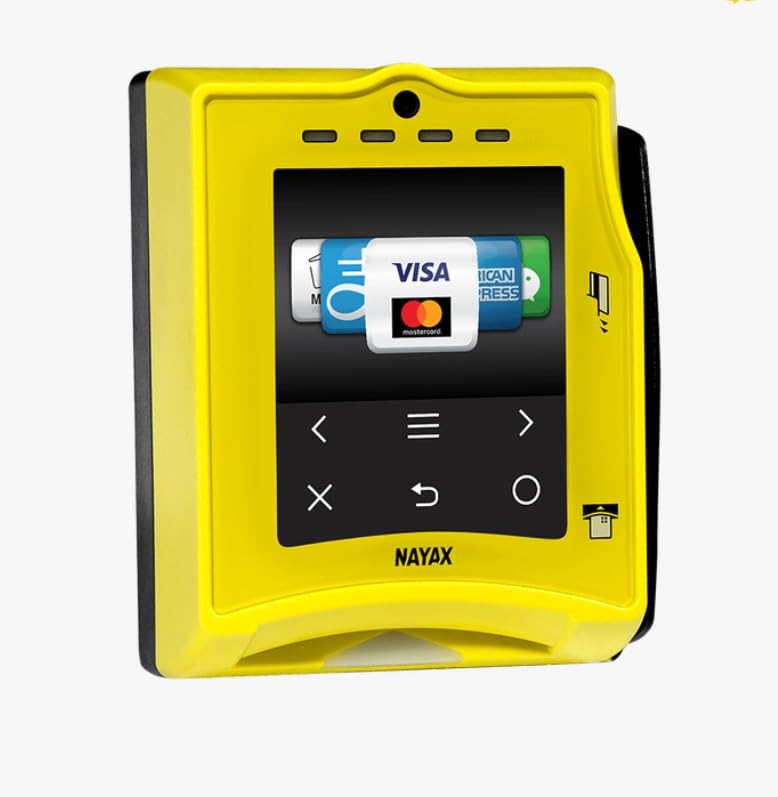
The VPOS Touch stands out as a complete cashless solution for modern vending machines. With a 3.8 rating, it offers robust connectivity and security features that operators value highly in daily operations.
We may earn a commission when you buy through this link, at no additional cost to you.
It accepts EMV chip cards, NFC, and magnetic stripes while including a high-gain 4G LTE antenna. This eliminates the need for separate Wi-Fi setups and ensures instant cellular connection. The Nayax management suite provides real-time telemetry for inventory and sales monitoring.
While the device is fully certified and secure, operators must account for the activation time which can take up to ten business days. Additionally, reliance on cellular networks means signal strength in remote locations could impact transaction speed.
This reader is ideal for operators seeking a unified payment solution with strong data visibility. Its compatibility with MDB and Pulse protocols makes it a versatile choice for various vending environments requiring reliable cashless transactions.
Accepts all payment forms including Apple Pay and Google Pay for maximum customer convenience.
Monitor machine performance and cash levels remotely with instant mobile alerts for better oversight.
We may earn a commission when you buy through this link, at no additional cost to you.
This version of the VPOS Touch features a 2.4-inch color LCD touchscreen with multi-language support. It is designed for high-traffic environments where visual interaction and durability are essential for unattended machines.
We may earn a commission when you buy through this link, at no additional cost to you.
The device supports credit cards, mobile wallets, and QR codes while including anti-vandal durability with Dragontrail glass. It also offers marketing tools like loyalty programs and punch cards to drive repeat business. Real-time telemetry ensures remote monitoring capabilities.
Although it lacks a visible customer rating, its technical specs suggest strong performance. The requirement for specific installation steps and software updates may add complexity for operators unfamiliar with such systems.
It is best suited for arcade and vending setups needing customer engagement features. The IP55 rating makes it suitable for varied environments where dust and water resistance are priorities.
Built-in loyalty programs and discounts help increase repeat customer visits to unattended machines.
IP55 rating and shock detection ensure longevity in busy public or outdoor vending locations.
We may earn a commission when you buy through this link, at no additional cost to you.
This generic card reader is designed specifically for cashless vending integration. It comes with an instruction sheet that details the activation process required before the device can be used in any machine.
We may earn a commission when you buy through this link, at no additional cost to you.
Activation can take up to ten business days, which is a significant factor for operators needing immediate deployment. Once active, it provides standard cashless capabilities suitable for basic vending requirements and monitoring.
The lack of a public rating means users must rely on manufacturer specifications. The process ensures security but may delay revenue generation for new machine deployments.
Operators looking for a straightforward cashless solution should consider this module. Plan ahead for the activation timeline to avoid operational gaps when installing new vending hardware.
Follow the included yellow instruction sheet carefully to submit activation details successfully.
Designed for essential cashless needs without complex marketing features or extensive connectivity options.
We may earn a commission when you buy through this link, at no additional cost to you.
This Symcode reader handles magnetic cards, memory chips, and contactless NFC options via USB. It is marketed for cashiers but can serve kiosks needing simple input functionality without complex POS integration.
We may earn a commission when you buy through this link, at no additional cost to you.
With a 2.8 rating, it offers basic read capabilities but lacks encoding functions. The two-way swipe and insertable modes provide flexibility for different card types used in access or membership systems.
Operators should note this is strictly a read device with no encoding capabilities. The low rating suggests potential compatibility issues or limited support for high-volume transaction environments.
Use this for light-duty applications where card data entry is required. Ensure your software supports the HID mode for seamless integration with existing systems.
Works as a keyboard emulator or software-driven passive mode depending on your system requirements.
Green flashing lights indicate active reading sessions for clear visual feedback during use.
We may earn a commission when you buy through this link, at no additional cost to you.
The Verifone VX520 is a well-known terminal in the payment industry. With a 3.5 rating, it offers Dial and Ethernet connectivity plus EMV and NFC support for basic card payment needs.
We may earn a commission when you buy through this link, at no additional cost to you.
It supports contactless payments including Apple Pay and Smart Card compliance. This legacy device is often used where modern connectivity is unavailable or where simple terminal functionality is required.
As an older model, users should check compatibility with current merchant processing services. The dial feature may limit speed compared to modern Ethernet or cellular solutions available elsewhere.
This is a cost-effective option for environments needing secure transactions without advanced telemetry. Ensure your provider supports the legacy protocols if you choose this model for vending.
Provides standard payment processing capabilities suitable for older machine interfaces or backup systems.
Supports NFC and Apple Pay to meet customer expectations for quick tap-to-pay interactions.
We may earn a commission when you buy through this link, at no additional cost to you.
This card reader supports magnetic, memory chip, and PSAM card formats for diverse applications. It includes an SDK and software CD for deep development integration with kiosks or membership systems.
We may earn a commission when you buy through this link, at no additional cost to you.
With a 3.5 rating, it balances basic functionality with development tools. Users should note that specific magnetic tracks are read-only while others may offer write capabilities depending on card type.
Successful operation requires checking user guides on the provided CD. The device is well-suited for developers needing custom card solutions rather than off-the-shelf vending payment.
Choose this if you need to support specific RFID or PSAM cards in a custom setup. Verify protocol compatibility before purchase to ensure smooth integration with your existing infrastructure.
Included SDK and user guides facilitate custom software integration for specialized card operations.
Handles Mifare and CPU chip cards for access control or loyalty membership use cases.
We may earn a commission when you buy through this link, at no additional cost to you.
The E-seek M-260 achieves a 4.0 rating and is built for secure identity verification and card reading. It includes a 6-foot USB smart cable and features a bottom-mounted connector for kiosk integration.
We may earn a commission when you buy through this link, at no additional cost to you.
It scans government-issued IDs with magnetic stripes and 2D barcodes, making it ideal for POS or security environments. The dual USB access points enhance flexibility in various installation scenarios.
While excellent for authentication, this device may be overkill for standard product vending unless ID verification is required. Its premium price reflects the specialized hardware and security compliance.
Opt for this when you need robust ID scanning alongside card reading. The bottom interface is a key benefit for enclosed kiosk designs where top access is restricted.
Reads government-issued IDs with magnetic stripes and barcodes for secure identity authentication processes.
Bottom interface connector simplifies installation in enclosed kiosks and restricted-access machines.
We may earn a commission when you buy through this link, at no additional cost to you.
This VP3350 reader offers a mobile-friendly compact design for payment processing. It requires a new merchant account with SwyftPAY prior to shipment, ensuring secure onboarding for all users.
We may earn a commission when you buy through this link, at no additional cost to you.
The device supports EMV contact, contactless, and magstripe transactions. It is PCI P2PE compliant and compatible with CardPointe Gateway API for flexible terminal integration in various setups.
The account requirement may be a hurdle if operators already have existing processing agreements. However, the surcharge compatibility allows for fee recovery options during transaction processing.
Ideal for small-scale vending or portable setups needing a secure terminal. Check your current processing relationships before starting the new merchant account setup process.
PCI P2PE compliance ensures encrypted card data protection for both customers and operators.
Surcharge compatible features allow operators to manage transaction costs effectively through customer fees.
We may earn a commission when you buy through this link, at no additional cost to you.
The MTMS15 supports multi-factor authentication with PIN entry for added security. It uses an open architecture solution that allows for flexible integration with various software and network systems.
We may earn a commission when you buy through this link, at no additional cost to you.
Mobile NFC support and real-time networking make it suitable for modern applications requiring user identification. This reader is designed for environments where PIN entry adds necessary transaction verification.
Lack of public ratings means users rely on technical documentation for performance assessment. Ensure your system supports open architecture integration to take full advantage of its capabilities.
Consider this for high-security vending or access control scenarios. The PIN factor reduces risk of unauthorized use for sensitive transaction environments.
PIN entry capability adds an extra layer of security for transactions requiring user authentication.
Networked capabilities allow for remote configuration and real-time data synchronization across machines.
We may earn a commission when you buy through this link, at no additional cost to you.
This X6BT VIP reader supports wireless Bluetooth connectivity and can read or write tracks on various card formats. It works across major operating systems including Windows, Android, and iOS for flexible mobile integration.
We may earn a commission when you buy through this link, at no additional cost to you.
With a 3.8 rating, it offers broad compatibility for custom card solutions. USB powered functionality ensures it can run without external power sources when connected to mobile devices or computers.
Since it relies on mobile apps for operation, it is less suited for fixed kiosk installations without additional setup. Always ensure software support for ISO 7811-6 standards when using this writer.
Opt for this device when you need wireless flexibility and card writing capabilities. Verify app compatibility with your specific vending system before purchase.
Bluetooth connectivity allows for cable-free operation with mobile devices and portable systems.
Free software for Windows and mobile platforms enables easy setup across different operating systems.
We may earn a commission when you buy through this link, at no additional cost to you.
Selecting the right card reader depends on connectivity, security, and operational needs. Below are key factors to consider before making a purchase.
Vending machines require reliable data transmission for real-time sales and cash levels. Options like 4G LTE, Ethernet, or Bluetooth determine how your reader communicates with the central system. Ensure your location supports the required signal strength for uninterrupted transactions.
Choose a connectivity method that matches your environment and data needs.
Payment security is paramount to protect both operators and customers. Look for PCI DSS, EMV, and P2PE certifications to ensure encrypted transactions. These standards reduce fraud risk and build trust with users.
Always verify that your selected reader meets current payment security standards.
Your card reader must communicate properly with the vending machine controller. MDB and Pulse protocols are common in vending hardware. Incompatible devices may fail to process sales or cause system errors.
Match the reader protocol to your machine controller specifications before purchasing.
Outdoor or high-traffic machines require robust hardware to withstand wear and weather. Look for IP ratings like IP55 for dust and water resistance. Anti-vandal features also extend the lifespan of the device in public spaces.
Prioritize durability ratings based on the installation environment of your vending units.
Modern customers expect multiple payment options including contactless mobile wallets. Ensure the reader supports NFC, EMV chip, and magnetic stripes. Limited payment types may reduce sales opportunities at the machine.
Select readers that accept current preferred payment methods to maximize revenue.
Remote monitoring helps manage inventory and performance efficiently. Readers with real-time telemetry allow operators to track sales and alerts remotely. This feature reduces unnecessary site visits and improves operational efficiency.
Look for integrated management software when choosing your card reader device.
Some readers require specific merchant accounts or processing partners to function. Others work with existing gateways. Understand these requirements early to avoid setup delays.
Confirm account requirements match your existing payment processing contracts.
Install the card reader securely inside or outside the machine panel ensuring all connections are protected. Use provided harnesses for MDB cables to prevent accidental disconnection during transport.
Test connectivity by running trial transactions before opening for public use. Ensure mobile signals are strong where cellular readers are installed for consistent performance.
Clean the reader surface regularly with a soft dry cloth to remove dust. Avoid chemicals that might damage screens or interfaces during routine maintenance checks.
Readers should accept EMV chips, NFC mobile wallets, and magnetic stripes to meet diverse customer needs. Including contactless options increases convenience and transaction speed.
Verify compatibility with MDB or Pulse protocols before purchase. Match the cable harness to your machine controller model to avoid connection issues.
Most require connectivity for real-time processing. Cellular or Ethernet options ensure transactions occur even without local Wi-Fi available.
Look for PCI DSS and EMV compliance to ensure secure encrypted transactions. These standards protect card data during the payment process.
Activation periods can vary up to ten business days depending on the provider. Plan installation accordingly to avoid revenue loss during setup.
Check if the reader supports your existing processing or requires a new account. Some models tie to specific payment gateways for operation.
Use readers with telemetry suites that provide mobile alerts and remote dashboards. This data tracks inventory and performance without physical site visits.
This guide highlighted the VPOS Touch, Verifone VX520, and E-seek M-260 as top performers across different categories. These models offer reliable connectivity and security features that modern operators need for successful vending operations.
Prioritize connectivity options and security certifications that match your machine environment. Selecting the right protocol and durability features ensures long-term performance and fewer maintenance issues.
Always verify current availability and pricing before finalizing your order. Contact manufacturers directly for the latest support details and account requirements when deploying new cashless systems.