
NZXT H5 Flow
4.6Editor score
Perforated PSU shroud
Supports 360mm radiator
Ultra-fine mesh panels
This guide compares ten top cooling computer cases for airflow, build quality, and thermal performance to help you choose the right chassis for your next PC
Choosing the right cooling computer case is essential for maintaining optimal system performance and longevity. A well-designed chassis ensures that heat generated by high-performance components is efficiently expelled, preventing thermal throttling and extending hardware life.
We evaluated ten leading models based on airflow design, fan inclusion, expansion capabilities, and build quality. Our analysis focuses on how each case manages thermal dynamics while supporting modern hardware standards and aesthetic preferences for diverse user needs.
Each pick highlights specific strengths like modular frameworks or panoramic glass, helping you match a case to your budget and goals. Note that availability and pricing vary over time, so verify current stock before making your final purchase decision.
4.6Editor score

4.7Editor score

4.7Editor score
The following comparison breaks down key specifications across all ten models to highlight differences in fan count, radiator support, and unique design features for informed decision-making.


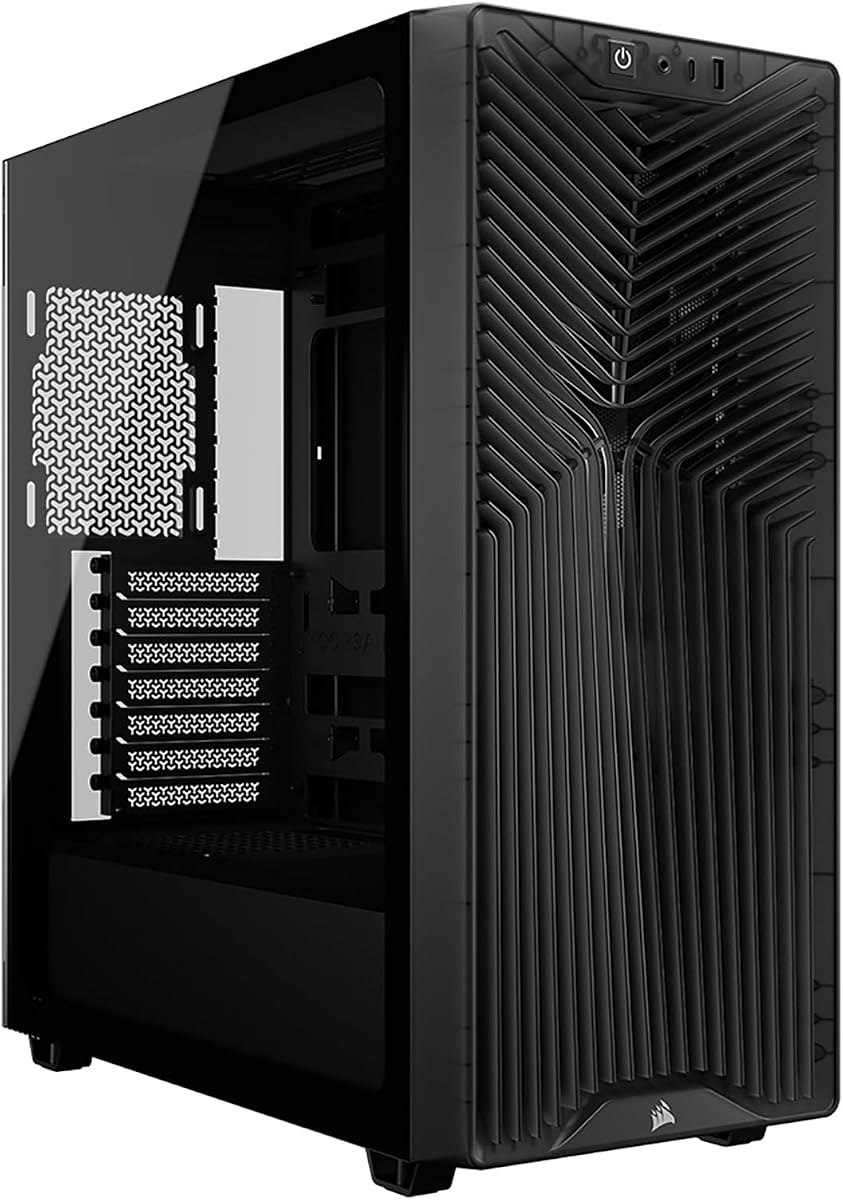


The CORSAIR 4000D RS stands out with its innovative FRAME Modular System, allowing you to swap motherboard trays and I/O panels for custom configurations. It scores high for its pre-installed RS ARGB fans and flexible InfiniRail mounting, ensuring excellent cooling without complex setups.
We may earn a commission when you buy through this link, at no additional cost to you.
Its standout feature is the customizable FRAME design, letting you tailor the case layout to your exact needs. The InfiniRail system supports front and roof fans up to 200mm, providing unmatched airflow flexibility for liquid or high-performance air cooling solutions.
While the modular options add versatility, they might increase the cost compared to standard cases. However, the ability to adapt the chassis over time justifies the investment for builders who value long-term customization and premium thermal performance.
This case is ideal for enthusiasts seeking a balance of cooling power and build flexibility. If you want a chassis that grows with your hardware, the 4000D RS offers a robust, future-proof solution that maintains clean aesthetics and top-tier thermal efficiency.
The FRAME system lets you upgrade components like trays or panels without replacing the entire case, extending its usable life significantly.
The 3D Y-Pattern front panel minimizes restriction, directing cool air efficiently to components while reducing noise levels.
We may earn a commission when you buy through this link, at no additional cost to you.
The NZXT H5 Flow delivers exceptional airflow for its price, focusing on GPU cooling via a perforated PSU shroud that enables intake from two 120mm fans. Its ultra-fine mesh panels maximize airflow while filtering dust effectively, making it a practical choice for budget builds.
We may earn a commission when you buy through this link, at no additional cost to you.
Key strengths include support for a 360mm radiator up front and a 240mm on top, allowing powerful liquid cooling potential. The mesh design ensures high-performance airflow, and the included quiet fans provide solid out-of-the-box performance without noise concerns.
One drawback is the limited drive storage due to its compact form factor, which may not suit users needing extensive storage options. Additionally, ensuring proper fan configuration may require careful planning to optimize airflow through the PSU shroud effectively.
For those prioritizing cooling efficiency on a budget, the H5 Flow is a top contender. It balances affordability with advanced airflow features, making it suitable for gamers and creators who need reliable thermal management in a sleek mid-tower chassis.
The perforated PSU shroud allows direct airflow to the GPU, reducing heat buildup in critical components for better performance.
Ultra-fine mesh on all panels ensures maximum airflow while preventing dust ingress, reducing maintenance frequency.
We may earn a commission when you buy through this link, at no additional cost to you.
The CORSAIR AIR 5400 LX excels with its triple-chamber design, isolating heat sources to improve cooling performance. Its panoramic glass panels showcase components beautifully while maintaining airflow through ducts that increase velocity without added noise or power.
We may earn a commission when you buy through this link, at no additional cost to you.
Standout features include the isolated CPU cooling chamber with 360mm radiator support and a dedicated PSU chamber for efficient thermal management. The airflow ducts accelerate air movement, ensuring components stay cool even under heavy loads without requiring high fan speeds.
While the design enhances cooling and aesthetics, it comes at a premium price compared to standard mid-towers. The complex internal structure may also pose challenges for cable management or component swaps, though it remains manageable with careful planning.
This case is perfect for enthusiasts wanting top-tier cooling and a premium look. If you prioritize isolation and thermal efficiency, the 5400 LX offers a high-performance solution that combines aesthetic appeal with robust engineering for demanding setups.
Separating CPU and PSU heat sources prevents cross-contamination, ensuring more consistent and efficient system cooling.
Large glass panels highlight internal components while maintaining airflow efficiency, blending beauty with performance.
We may earn a commission when you buy through this link, at no additional cost to you.
The Antec Flux Pro is a full-tower powerhouse supporting up to 12 fans and massive 420mm radiators. Its multi-directional vent design and six included PWM fans ensure robust cooling, while the unique metal, glass, and wood texture adds a distinctive premium aesthetic.
We may earn a commission when you buy through this link, at no additional cost to you.
Key strengths lie in its thermal capabilities, with support for simultaneous 420mm and 360mm radiators, alongside an innovative CPU/GPU temperature display. The removable brackets allow flexible customization, and the iShift PSU mount adds modern convenience for advanced builds.
The large size may not suit smaller desks, and its weight could make moving challenging without assistance. However, for users with ample space, the performance benefits and unique design justify the space requirements and physical heft for ultimate cooling setups.
Ideal for workstation or high-end gaming rigs, this case excels in raw cooling power and expandability. If you need maximum support for water cooling and a statement design, the Flux Pro delivers unmatched versatility and thermal management capabilities.
Supporting simultaneous 420mm and 360mm radiators enables multi-loop liquid cooling for extreme thermal needs.
The combination of metal, glass, and wood creates a unique texture that distinguishes it from standard plastic cases.
We may earn a commission when you buy through this link, at no additional cost to you.
The Lian Li V100RX delivers exceptional value with four pre-installed PWM RGB fans and an integrated LED strip for full lighting control. Its tool-less side panels simplify access, and support for back-connect motherboards ensures cleaner cable routing and modern build aesthetics.
We may earn a commission when you buy through this link, at no additional cost to you.
Standout features include its flexibility for ATX, Micro-ATX, and Mini-ITX builds, alongside support for GPUs up to 420mm and radiators up to 360mm. The hydraulic bearings ensure quiet operation, making it ideal for builds prioritizing both visuals and acoustic comfort.
While the RGB lighting is vibrant, syncing it requires additional motherboard connections that might clutter cable management slightly. Still, the included components and thoughtful design make it a strong budget option for those seeking a polished, feature-rich case.
This case is great for builders wanting a complete visual and cooling solution out of the box. If you value aesthetics and quiet performance without spending much, the V100RX offers a compelling balance of features and quality at a competitive price point.
Includes both fans and a strip for comprehensive RGB coverage without extra purchases, saving time and money.
Support for back-connect motherboards eliminates front cables, streamlining the build process for cleaner aesthetics.
We may earn a commission when you buy through this link, at no additional cost to you.
The Cooler Master HAF II 500 features oversized 220mm and 180mm fans for maximum airflow throughput, targeting extreme thermal performance. Its low-resistance design and split-level cable management optimize space, while the dual-mode GPU holder supports heavy cards up to 3.6 slots thick.
We may earn a commission when you buy through this link, at no additional cost to you.
Key strengths include the MasterRail mounting system for flexible radiator placement and a flexible storage cage for various drive orientations. The dedicated exhaust fan and wide ventilation openings ensure efficient heat expulsion, making it ideal for high-power systems.
The large size may be challenging for compact workspaces, and the weight requires sturdy placement. However, for users needing maximum cooling and hardware support, the performance gains from its airflow design justify the physical footprint for demanding builds.
This case is perfect for users prioritizing raw airflow and stability for powerful GPUs. If you need a chassis that handles high-heat loads and supports large components effortlessly, the HAF II 500 provides unmatched thermal management and flexibility.
Large openings reduce resistance, allowing air to flow freely and cool components more efficiently under load.
The Dual-Mode GPU Holder stabilizes heavy cards and supports dual setups, enhancing build integrity for large hardware.
We may earn a commission when you buy through this link, at no additional cost to you.
The MSI MAG Forge 321R focuses on lighting control and airflow, supporting up to 11 fans with a built-in ARGB fan and control board. Its magnetic dust filter simplifies cleaning, and the Mystic Light Sync ensures seamless integration with MSI ecosystems for unified lighting effects.
We may earn a commission when you buy through this link, at no additional cost to you.
Standout features include the 1 to 6 RGB LED control board, allowing extensive customization of lighting zones. The 360mm radiator support and tempered glass panel enhance aesthetics, while the vented front panel ensures adequate airflow for gaming workloads.
While it offers extensive RGB control, additional cabling may be needed for full effects, and stock fans may not match premium performance. Still, the flexibility and integration with MSI software make it a compelling choice for gamers prioritizing visual customization.
Ideal for MSI users seeking deep lighting control, this case balances airflow and aesthetics well. If you want extensive RGB options and easy maintenance, the Forge 321R delivers a feature-rich experience for visually oriented builds.
The included control board allows up to six RGB channels, offering granular control over lighting zones without extra hardware.
Magnetic filters on the top make removing dust simple, reducing the effort required for routine cleaning tasks.
We may earn a commission when you buy through this link, at no additional cost to you.
The CORSAIR 3200D RS offers excellent cooling with nine total fan slots and three included RS ARGB fans for continuous airflow. Its GPU anti-sag arm and reverse-connector support cater to modern hardware, while the built-in shroud helps maintain a tidy cable management area.
We may earn a commission when you buy through this link, at no additional cost to you.
Key strengths include the top-mounted 360mm radiator support for CPU cooling and easy front I/O with USB-C. The single front cable connector simplifies installation, and the case is designed for effortless builds with tie-down locations and a shroud to hide wiring.
While the smoke finish offers a sleek look, it may show dust more than black alternatives, requiring regular cleaning. Still, the features like anti-sag support and high fan capacity make it a practical, forward-thinking option for builders seeking value.
This case is ideal for modern systems needing stability and cooling without premium pricing. If you want a case that supports the latest tech and keeps cables organized, the 3200D RS provides reliable thermal performance and build flexibility.
Built-in GPU anti-sag arm and reverse-connector support ensure compatibility with high-end hardware without additional tools.
Single front cable connector and tie-down locations reduce clutter, making the build process faster and more organized.
We may earn a commission when you buy through this link, at no additional cost to you.
The CORSAIR AIR 5400 RS features a triple-chamber design that isolates heat sources, enhancing cooling efficiency. Its panoramic glass panels highlight components, while airflow ducts accelerate air movement without increasing noise, ensuring components stay cool under load.
We may earn a commission when you buy through this link, at no additional cost to you.
Standout features include the isolated CPU chamber with 360mm radiator support and a dedicated PSU chamber for efficient thermal management. The ducts force air into narrow channels, improving velocity and cooling power without requiring higher fan speeds or power.
While the design offers superior thermal control, it comes at a premium cost and may complicate cable routing for beginners. However, for users prioritizing performance and aesthetics, the engineering justifies the investment for high-end system builds.
Ideal for enthusiasts wanting top cooling and design, this case excels in isolation and airflow management. If you seek a chassis that prevents heat mixing while showcasing your build, the 5400 RS delivers unmatched thermal performance and visual appeal.
Separating CPU and PSU heat sources prevents heat buildup from affecting other components, ensuring consistent performance.
Ducts accelerate air velocity without added noise, improving cooling power while maintaining acoustic comfort.
We may earn a commission when you buy through this link, at no additional cost to you.
The MONTECH XR offers a panoramic front and side glass view with wood-grain accents, blending modern visuals with practical cooling. Its reverse-blade side fans keep illuminated faces inward for a cleaner showcase, while three pre-installed PWM fans provide ready airflow and lighting.
We may earn a commission when you buy through this link, at no additional cost to you.
Key strengths include support for high-end hardware with 420mm GPU clearance and flexible cooling options up to nine fans or a 360mm radiator. The USB-C front ports and removable magnetic filters make daily access and maintenance simple for frequent users.
While the case offers excellent value, cable routing may be tight due to the design, and the stock fans may not match premium performance. Still, the combination of visual appeal and thermal flexibility makes it a strong budget-friendly option.
This case is perfect for builders wanting a showcase-style chassis without premium costs. If you value aesthetics and flexibility for upgrades, the XR provides a clean look and solid thermal management for high-end gaming setups.
Side fans show illuminated faces inward rather than frames, enhancing the visual appeal of the build from any angle.
USB-C ports and magnetic filters ensure easy access and maintenance for daily use and upgrades.
We may earn a commission when you buy through this link, at no additional cost to you.
Selecting a cooling computer case involves evaluating thermal performance, airflow design, and compatibility with your hardware to ensure efficient heat management.
Airflow design determines how air moves through the case. Look for mesh panels, large openings, and perforated sections that allow air to reach components and exit efficiently without restriction.
Prioritize cases with optimized front and top airflow paths to maintain cool temperatures under load.
Check how many fans come included with the case. Pre-installed fans save costs and ensure adequate cooling without extra purchases, but verify their quality and RPM capabilities.
Select cases with multiple fans or high RPM ratings to support your specific cooling needs effectively.
If using liquid cooling, verify radiator support sizes. Cases supporting larger radiators allow better heat dissipation for high-performance CPUs and GPUs.
Ensure the case accommodates your desired radiator size for optimal liquid cooling performance.
Good cable management systems keep wires organized, improving airflow and aesthetics. Look for tie-down points, channels, and single connectors to simplify routing.
Choose cases with ample space for cables to avoid airflow blockages inside the chassis.
Materials like steel or aluminum provide durability and heat dissipation. Mixed materials can add aesthetics but may affect airflow or weight.
Balance material quality with airflow features to ensure durability without sacrificing cooling performance.
Ensure the case fits your desk space and hardware. Full-towers offer more expansion but require more room, while mid-towers are more compact.
Select a size that accommodates your hardware and workspace constraints without compromising cooling potential.
Isolated chambers prevent heat from mixing between components like CPUs and PSUs. This design improves overall cooling efficiency.
Consider cases with separate chambers for better heat management and component longevity.
Look for tool-less panels, clear layouts, and modern compatibility like reverse connectors to simplify assembly.
Choose cases designed for easy builds to reduce installation time and potential errors.
Install components carefully to avoid damaging internal parts. Follow the manual to ensure correct cable routing and fan placement for optimal airflow direction.
Regularly clean dust filters and fans to maintain cooling efficiency. Use compressed air or a soft brush to remove debris from intake vents and filters.
Monitor temperatures periodically to identify cooling issues. If temps rise, check fan speeds or reposition fans to improve airflow paths within the chassis.
Look for mesh panels, large ventilation openings, and perforated sections on the front and top. A good case minimizes restrictions, allowing air to flow freely from intake to exhaust without blockages.
Many cases include fans suitable for standard builds, but high-performance systems may need extras. Check fan quality and consider adding more if you run high-end components.
Check the product specs for maximum radiator sizes supported on front, top, or bottom. Ensure your desired radiator fits to maintain effective liquid cooling performance.
Clean dust filters and fans every one to two months depending on environment. Regular maintenance ensures consistent airflow and prevents overheating issues.
Most cases allow adding fans if mounting points are available. Verify compatibility before purchasing extra fans to ensure proper fit and airflow.
Thermal isolation separates heat sources like CPUs and PSUs into different chambers. This prevents heat buildup from affecting other components and improves overall cooling efficiency.
Yes, larger cases often provide more room for airflow and radiator placement. Choose a size that fits your hardware and desk space to maximize cooling potential.
Steel and aluminum provide good durability and heat dissipation. Mesh panels and perforated designs are key to airflow regardless of material choice.
The CORSAIR 4000D RS, NZXT H5 Flow, and CORSAIR AIR 5400 LX lead the list with their balance of airflow, aesthetics, and build flexibility. Each offers unique strengths to match diverse needs.
Prioritize airflow design and fan quality to ensure effective cooling. Consider form factor and cable management to simplify builds and maintain performance over time.
Always check current availability and pricing before purchase. Verify your hardware compatibility and desired features to ensure the chosen case meets all requirements.