
AMD Ryzen 7 7800X3D
4.8Editor score
96MB L3 cache
Efficient 5nm process
Great value for performance
This guide compares the top CPUs for 3D rendering in 2026, covering AMD and Intel options for professionals and enthusiasts seeking peak performance.
Selecting the right CPU for 3D rendering is crucial for artists and professionals who need speed and reliability. A powerful processor ensures complex scenes render quickly, reducing downtime and boosting productivity in creative workflows.
We evaluated ten leading processors based on core counts, cache sizes, clock speeds, and architectural efficiency. Our analysis focuses on how each model handles multithreaded tasks common in rendering software like Blender and Maya.
Each pick highlights specific strengths and ideal use cases to help you find the best fit. Prices fluctuate frequently, so verify current listings before purchasing to ensure you get the best value for your budget.
4.8Editor score

4.7Editor score

4.2Editor score
The following table provides a side-by-side look at key specifications for each processor to help you compare core counts, threads, and cache sizes quickly.

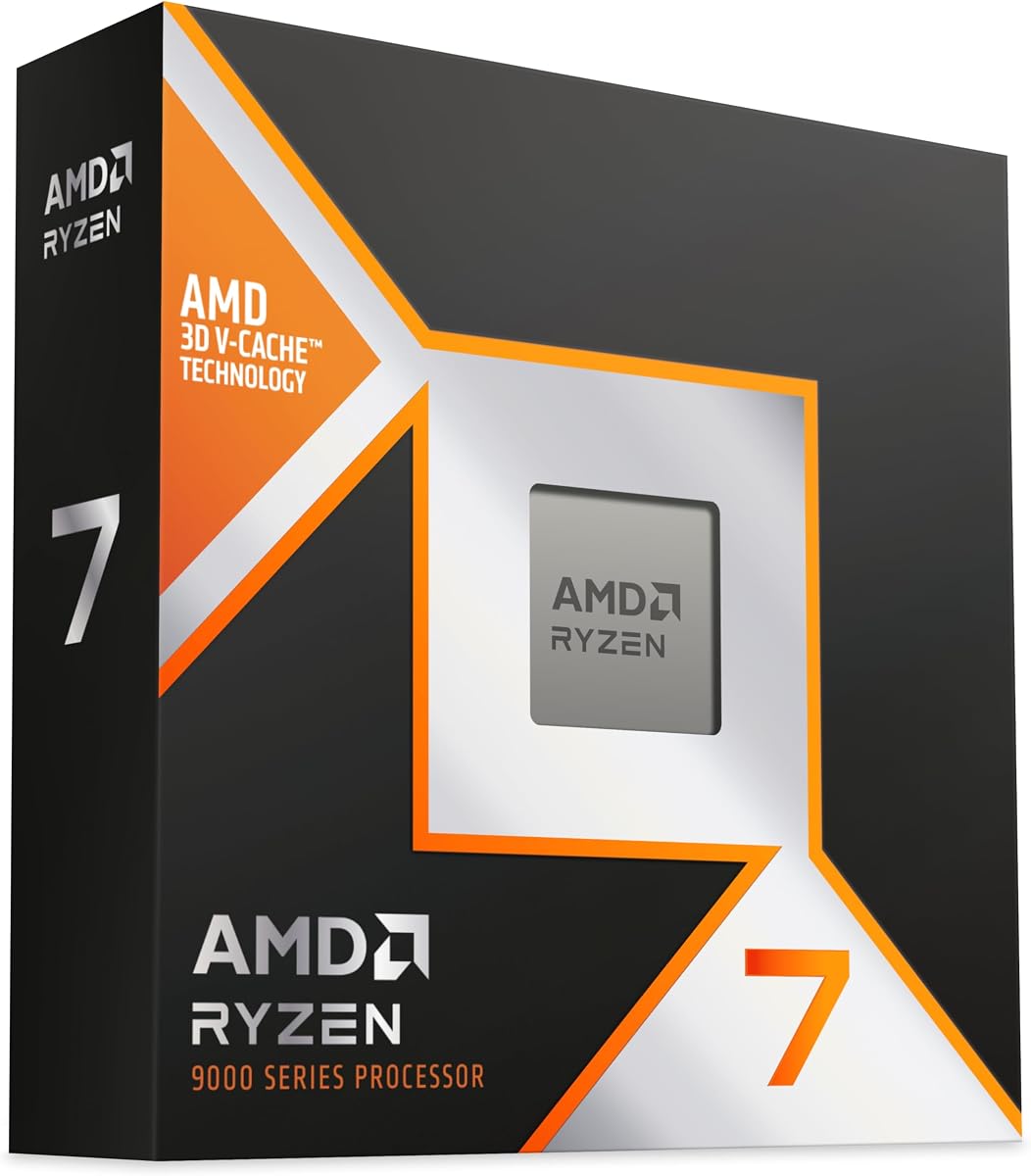


The AMD Ryzen 7 9800X3D stands out as a top choice for 3D rendering tasks due to its advanced cache and high clock speeds. It achieves a 4.8 rating from users who value its balance of gaming and productivity performance.
We may earn a commission when you buy through this link, at no additional cost to you.
With 8 cores and 16 threads built on Zen 5 technology, this processor delivers a significant IPC uplift. The 96MB L3 cache allows for faster access to data, which is crucial during complex rendering scenes where memory latency matters.
While it excels in performance, users must note that a cooler is not included in the box. Additionally, this CPU requires an AM5 socket motherboard which might necessitate a platform upgrade for older systems.
This processor is ideal for creators who need a machine that handles both creative work and gaming smoothly. Its power efficiency and thermal performance make it a reliable choice for long rendering sessions.
The large L3 cache reduces bottlenecks during heavy compute tasks like texture mapping and geometry calculations.
Socket AM5 infrastructure ensures compatibility with future upgrades and modern memory standards.
We may earn a commission when you buy through this link, at no additional cost to you.
The AMD Ryzen 9 9950X3D is a powerhouse designed for demanding content creation and gaming scenarios. It holds a solid 4.7 rating reflecting its capability to handle intense workloads without breaking a sweat.
We may earn a commission when you buy through this link, at no additional cost to you.
Featuring 16 cores and a max boost clock up to 5.7 GHz, this processor offers immense parallel processing power. This is beneficial for rendering times where more cores translate directly to faster completion of frames.
The trade-off for this performance is the price and the need for effective cooling solutions to maintain stability. Users should ensure their motherboard supports the AM5 platform and has adequate power delivery for such a high-end chip.
Professional artists and developers will find this CPU delivers the speed needed for heavy simulations and complex visual effects. It remains a top contender for those prioritizing raw power in their workstation setup.
Up to 5.7 GHz boost ensures quick execution of single-threaded tasks within complex projects.
16 cores provide ample headroom for running multiple applications simultaneously during production.
We may earn a commission when you buy through this link, at no additional cost to you.
The AMD Ryzen 7 7800X3D offers a compelling balance of performance and cost for 3D rendering workflows. With a 4.8 rating, it is highly regarded for its efficient design and ability to handle tasks quickly.
We may earn a commission when you buy through this link, at no additional cost to you.
Its 8-core configuration paired with 96MB of L3 cache makes it surprisingly effective for rendering. The 5nm process technology ensures reliability and power efficiency which helps keep operating costs down over time.
Users should be aware that while the clock speed is lower than some competitors, the cache compensates significantly. A cooler is not included so purchasing a separate unit is necessary for optimal thermal management.
This processor is excellent for freelancers or small studios needing reliable speed without the premium price tag. It supports multitasking effectively and provides fast execution for most common 3D software tools.
Advanced process technology delivers reliable performance while minimizing power consumption during renders.
Large L3 cache memory enables excellent hit rates for faster data access and improved system speed.
We may earn a commission when you buy through this link, at no additional cost to you.
The AMD Ryzen 7 9850X3D is another strong offering from AMD for desktop users seeking efficient processing. It carries a 4.8 rating indicating user satisfaction with its stability and overall execution speed.
We may earn a commission when you buy through this link, at no additional cost to you.
This processor focuses on delivering high efficiency which is beneficial for long rendering jobs that require sustained clock speeds. The modern architecture ensures it can handle the demands of current 3D applications effectively.
While detailed specifications are less prominent in this listing, the core design supports reliable multitasking. Users should check motherboard compatibility and prepare a suitable cooler since none is included with the purchase.
It serves well for those looking for a balanced desktop CPU that does not compromise on power efficiency. This model fits well into professional builds where consistent performance is required over many hours.
Designed for balanced performance that suits both rendering and daily productivity tasks equally.
Supports modern socket standards ensuring longevity and compatibility with latest hardware options.
We may earn a commission when you buy through this link, at no additional cost to you.
The AMD Ryzen 9 9950X brings 16 cores and 32 threads to the table for demanding professional workflows. It holds a 4.8 rating reflecting its strength in delivering ultra-fast performance for games and creative software alike.
We may earn a commission when you buy through this link, at no additional cost to you.
With a max boost up to 5.7 GHz and 80 MB of cache this processor is unlocked for overclocking to push performance further. It supports DDR5-5600 memory and PCIe 5.0 which prepares systems for future bandwidth needs.
A liquid cooler is recommended to manage the heat generated during heavy loads especially given the unlocked nature of the chip. Users must ensure their motherboard supports these advanced features to get the most out of this unit.
This CPU is a top pick for creators who need versatility and speed in a single package. It bridges the gap between gaming and workstation needs making it a versatile choice for hybrid workloads.
Unlocked multiplier allows enthusiasts to fine-tune clock speeds for specific rendering workloads.
PCIe 5.0 support ensures high bandwidth for modern graphics cards and storage devices.
We may earn a commission when you buy through this link, at no additional cost to you.
The AMD Ryzen 5 9600X offers a solid entry point for users building a new workstation for 3D tasks. It holds a 4.8 rating and provides smooth performance for popular games and lighter rendering projects.
We may earn a commission when you buy through this link, at no additional cost to you.
With 6 cores and 12 threads based on Zen 5 architecture it supports DDR5-5600 memory for fast data access. The max boost of 5.4 GHz allows for quick execution of tasks despite having fewer cores than flagship models.
Users should note that this CPU is unlocked for overclocking which can improve performance if cooling is adequate. A separate cooler must be purchased since the unit does not come with one in the box.
This processor is suitable for students or hobbyists who need a cost-effective solution without sacrificing modern features. It handles multitasking well and provides a good foundation for upgrading storage or graphics later.
Zen 5 architecture ensures efficient instruction processing and better power management.
Supports PCIe 5.0 on select motherboards for future expansion and upgrade paths.
We may earn a commission when you buy through this link, at no additional cost to you.
The AMD Ryzen Threadripper PRO 5955WX is built for professional workstations requiring sustained high performance. It holds a 4.8 rating among users who need reliable computing power for demanding applications.
We may earn a commission when you buy through this link, at no additional cost to you.
With 16 cores and 32 threads this processor supports DDR4 3200 memory and offers significant bandwidth for professional software. It is designed to maintain stability during long rendering sessions without thermal throttling.
While it uses DDR4 memory which is slightly older than DDR5 it still provides robust performance for many tasks. The price point reflects its class as a professional-grade component rather than a consumer gaming chip.
This unit is ideal for studios needing consistent performance from multiple users or heavy rendering loads. It supports professional features that ensure compatibility with enterprise level workstation requirements.
Designed for continuous high load operation without dropping performance over time.
Includes professional support and features aimed at business workstation environments.
We may earn a commission when you buy through this link, at no additional cost to you.
The AMD Ryzen Threadripper PRO 7975WX stands as a top-tier choice for professional rendering needs. With a 4.2 rating it offers incredible speed with 32 cores and 64 threads for complex multi-threaded tasks.
We may earn a commission when you buy through this link, at no additional cost to you.
It boasts a max boost of 5.3 GHz and a massive 160MB cache which speeds up data processing significantly. Eight-channel DDR5 RDIMM support up to 2TB ensures that large datasets are handled with ease.
This processor requires a significant investment and specialized cooling solutions to manage its 350W TDP. The unlocked nature with automatic overclocking helps maximize performance but requires careful system planning.
Ideal for large studios and professionals running heavy simulations or complex visual effects this CPU is unmatched. It provides ultimate bandwidth with 128 usable PCIe 5.0 lanes for connecting multiple GPUs.
32 cores and 64 threads allow massive parallelism for rendering complex scenes quickly.
8-channel DDR5 support ensures memory is never the bottleneck in high data workflows.
We may earn a commission when you buy through this link, at no additional cost to you.
The Intel Core Ultra 7 270K provides an alternative for those looking at Intel options for 3D rendering. It holds a 4.6 rating and supports PCIe 5.0 and DDR5 for modern system capabilities.
We may earn a commission when you buy through this link, at no additional cost to you.
Featuring 24 cores with a mix of performance and efficiency cores this chip can handle multitasking efficiently. The up to 5.50 GHz clock speed ensures quick processing for single-threaded rendering tasks.
Users should note this is a limited Amazon model often specific to certain regions which might affect shipping or warranty. A cooler is not included so plan for a separate cooling solution to maintain performance.
This processor is suitable for users wanting to stay within the Intel ecosystem while gaining modern features. It offers a strong balance of speed and efficiency for various creative workloads.
Performance and efficiency cores balance power usage and high-speed execution effectively.
Supports PCIe 5.0 and 4.0 standards for versatile device compatibility.
We may earn a commission when you buy through this link, at no additional cost to you.
The AMD Ryzen 9 5900XT offers 16 cores and 32 threads for those maintaining an AM4 system. It holds a 4.8 rating reflecting strong content creation and game performance despite being a legacy platform.
We may earn a commission when you buy through this link, at no additional cost to you.
With a max boost of 4.8 GHz and 72 MB cache it delivers powerful multitasking capabilities. It supports DDR4-3200 memory and PCIe 4.0 making it a cost-effective upgrade for existing AM4 users.
While the platform is older this CPU still provides excellent performance for rendering. An unlocked multiplier allows for overclocking which can boost speeds further if the cooling system permits.
This processor is ideal for budget-conscious users who already have an AM4 motherboard. It extends the life of older systems without requiring a full platform change to the latest standards.
Allows users to upgrade CPU only without needing a new motherboard or RAM.
32 threads ensure smooth multitasking even on older DDR4 memory systems.
We may earn a commission when you buy through this link, at no additional cost to you.
Choosing the best CPU for 3D rendering requires understanding your workflow and budget. This guide breaks down the critical factors to consider.
Higher core counts allow more parallel processing which is essential for render engines like V-Ray or Cycles. Aim for at least 8 cores but 16 or more is ideal for professional workflows.
More threads mean faster completion times for complex scenes and better multitasking during work.
L3 cache acts as a high-speed memory pool that reduces latency for frequently accessed data. Larger caches like 96MB or more can significantly speed up rendering tasks.
Look for CPUs with larger L3 cache to improve hit rates and reduce data fetch time.
Base and boost clock speeds determine how fast single-threaded tasks are executed. High boost clocks like 5.5GHz help with responsive UI and single-core rendering parts.
Balance clock speeds with core count since some software relies more on thread count than raw speed.
Ensure the CPU matches your motherboard socket. AM5 is the latest for AMD but AM4 offers budget options. Intel users need LGA 1851 or similar recent sockets.
Check memory compatibility as DDR5 is preferred for future-proofing but DDR4 can save costs.
Higher performance often means higher TDP so ensure your power supply and cooling can handle the load. 350W CPUs need specialized cooling while lower TDP models are easier to manage.
Consider power efficiency to reduce electricity costs and thermal noise during long renders.
Different rendering engines optimize for different architectures. Check if your main software favors AMD or Intel for best results.
Read software-specific benchmarks to confirm which CPU delivers better times for your projects.
Most high-end CPUs do not include a cooler so plan for a quality aftermarket solution. Liquid coolers are recommended for 16-core or higher units to maintain stability.
Proper cooling prevents thermal throttling which slows down rendering speed during long sessions.
Set a clear budget that includes the CPU and necessary cooling and motherboard costs. Mid-range options often provide the best value per performance dollar.
Balance upfront costs with potential longevity to ensure the system remains relevant longer.
Install the CPU carefully on the motherboard and apply thermal paste correctly to ensure heat transfer. Connect the cooling system securely to the CPU header and check all power cables before booting.
Keep the system clean by dusting air filters and heatsinks regularly. Dust buildup can cause overheating which may reduce performance or shorten component life.
Update BIOS and drivers to maintain compatibility with new rendering software. Regular monitoring of temperatures during renders helps catch potential thermal issues early.
For Blender the AMD Ryzen 9 9950X3D is a top choice due to its high core count and cache. However the Ryzen 7 7800X3D offers great value for smaller studios needing speed without premium cost.
For high-end CPUs with high TDP like the Threadripper PRO 7975WX a liquid cooler is strongly recommended. Mid-range processors can often run with high-end air coolers if airflow is adequate.
Yes AM4 remains viable for those on a budget with models like the Ryzen 9 5900XT offering 16 cores. It provides strong performance though AM5 offers better future upgrade paths.
Larger cache reduces latency by keeping frequently used data closer to the CPU cores. This speeds up texture and geometry calculations which are common in 3D rendering workflows.
Newer CPUs on AM5 or LGA 1851 generally require DDR5. Older AM4 CPUs support DDR4 which can reduce initial build costs for budget-focused workstations.
Aim for at least 8 cores for casual work but professionals should consider 16 cores or more. This ensures faster render times and better multitasking when running multiple apps.
Both offer strong options and the choice depends on your software needs and budget. AMD often leads in thread count efficiency while Intel provides competitive single-core speeds.
Check your cooling installation and airflow paths to prevent throttling. Ensure thermal paste is applied correctly and consider upgrading to a larger cooler if temps remain high.
The top picks include the AMD Ryzen 9 9950X3D for premium performance and the Ryzen 7 7800X3D for budget efficiency. Professional users may prefer the Threadripper models for maximum core counts.
When choosing prioritize core count and cache size based on your rendering software needs. Also consider the platform longevity to ensure your investment remains relevant for future projects.
Prices change frequently and availability varies by region so always check current listings before buying. Verify motherboard compatibility to avoid return issues and ensure a smooth build process.