
Mares Puck Pro EZ Wrist Underwater Scuba Dive Computer
4.8Editor score
Clear high-contrast screen
Single-button interface design
Bluetooth enabled connectivity
Compare the top 10 Dive Computer for Scuba Diving models of October 2026 for features, safety, and performance to find the perfect underwater dive tool.
Choosing the right Dive Computer for Scuba Diving is essential for safety and enjoyment underwater. These devices track depth, time, and decompression limits to keep divers informed throughout their exploration. A good computer integrates seamlessly with your gear and provides clear data when you need it most.
We evaluated ten leading models based on display quality, battery life, connectivity, and algorithm accuracy. Each product was reviewed against real-world diving needs including recreational, technical, and freediving scenarios. Our goal is to highlight the strengths and trade-offs of each option clearly.
Each pick shows unique capabilities ranging from budget-friendly wrist units to premium integrated systems. Prices and availability change frequently so check current listings before purchasing. Read on to find the dive computer that matches your diving style and goals for the season.
4.8Editor score

4.7Editor score

4.6Editor score
This side-by-side comparison highlights key specifications across all ten models to help you identify the right fit for your diving adventures. Consider screen size, gas options, and connectivity when selecting your next computer.

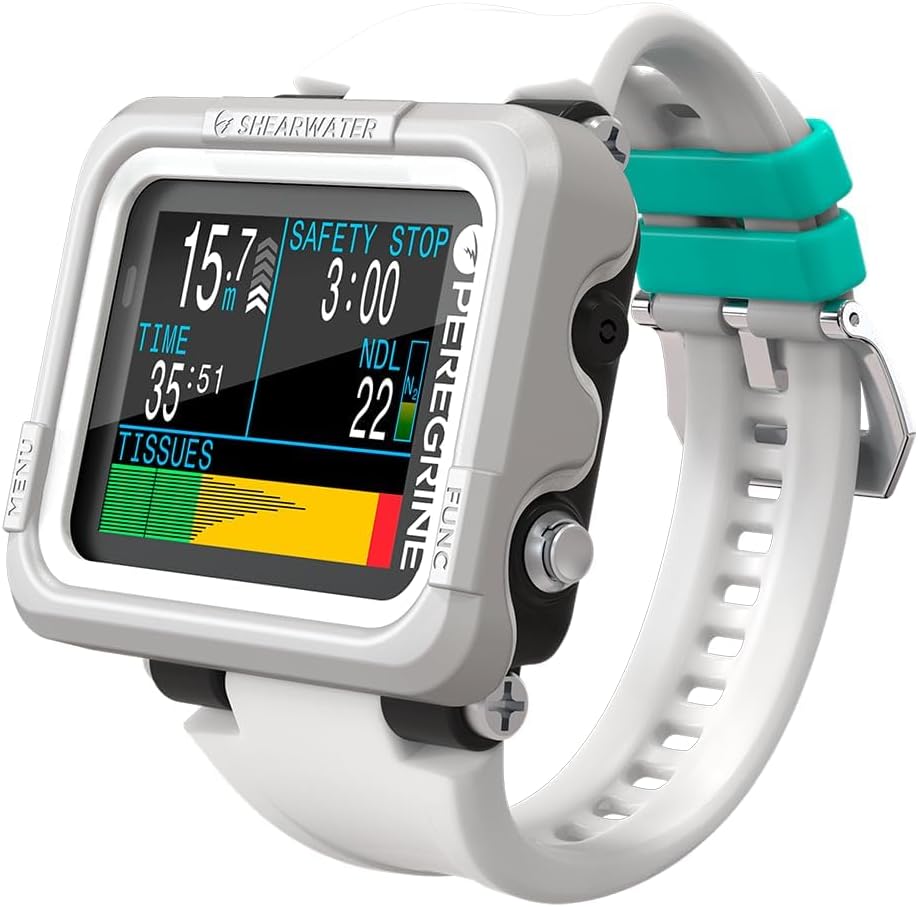


The Shearwater Research Peregrine Dive Computer stands out as a reliable tool for divers seeking precision and simplicity. With a rating of 4.7 stars it offers a balanced interface that suits both beginners and experienced users. Its standout quality lies in the state-aware menu that adapts to your current dive phase.
We may earn a commission when you buy through this link, at no additional cost to you.
Its key strengths include a two-button interface made from 316 stainless steel which ensures durability in harsh saltwater environments. The USB wireless charging station included in the package provides convenience and extends battery life significantly to about thirty hours on medium brightness. This design reduces the need for complex menus while underwater.
Honest trade-offs involve the lack of wireless tank pressure which requires a separate transmitter for air monitoring. While this may limit some technical divers the core decompression tracking remains accurate and robust. The price reflects the premium materials and engineering that go into the unit.
This computer is ideal for divers who prioritize build quality and intuitive navigation over advanced connectivity features. If you want a device that works reliably without complicated setup this is a strong recommendation. It represents excellent value for long-term underwater exploration needs.
The two-button interface simplifies interaction allowing you to focus on the dive environment rather than menus.
Wireless charging ensures you never worry about replacing traditional batteries during extended diving trips or travel.
We may earn a commission when you buy through this link, at no additional cost to you.
The SUUNTO D5 Dive Computer features a vibrant color display that makes reading dive data easy even in murky water. With a 4.0 rating it is designed for divers who value visual clarity and modern connectivity. The inclusion of wireless tank pressure adds a layer of safety for air monitoring.
We may earn a commission when you buy through this link, at no additional cost to you.
It excels in providing real-time data through its wireless mobile connection and digital compass features. The vibration alarms ensure you stay informed of critical alerts without relying solely on visual cues. This integration helps divers maintain situational awareness during complex dives.
On the downside the battery life is shorter than rechargeable competitors requiring periodic replacements. While the initial cost is lower ongoing maintenance adds to the total cost of ownership. The plastic build is durable but lacks the premium feel of metal units.
For divers prioritizing a colorful interface and tank connectivity at a reasonable price this model is a strong contender. It bridges the gap between basic and high-end computers effectively. Consider it if visual appeal and data integration are your main priorities.
The color display enhances readability ensuring key metrics like depth and time are instantly visible underwater.
Wireless tank pressure eliminates the need for separate gauges streamlining your setup for cleaner dives.
We may earn a commission when you buy through this link, at no additional cost to you.
The Shearwater Research Peregrine Adventures Edition Dive Computer offers advanced algorithmic control for serious divers. Rated at 4.7 stars it uses the Buhlmann ZHL-16C algorithm with gradient factors to tailor decompression profiles precisely. This flexibility allows for deeper and more technical dive planning safely.
We may earn a commission when you buy through this link, at no additional cost to you.
Its standout feature is the ability to never lockout for dive plan deviations ensuring continuity during unexpected dive changes. The vivid color LCD display enhances readability while the wireless charging station maintains long operational life. This robustness is ideal for technical divers who need reliability under pressure.
However the advanced features may be overwhelming for casual recreational divers who do not require complex gas mixing. The higher price point reflects the specialized capabilities and durable construction materials. It requires a learning curve to utilize all settings effectively.
This computer is best suited for those diving into advanced technical environments where precise decompression management is critical. If you need a versatile tool that grows with your skills this is a top recommendation. It combines professional grade computing with user-friendly interface design.
Buhlmann ZHL-16C with gradient factors gives you precise control over decompression stress limits.
Multiple modes allow you to switch seamlessly between air nitrox and gauge diving without changing devices.
We may earn a commission when you buy through this link, at no additional cost to you.
The Garmin Descent X30 Dive Computer is built for divers who need reliable navigation and surface tracking. With a 4.7 rating it combines rugged durability with advanced features like Surface GPS to mark entry and exit points. This ensures you can track your dive locations effectively over time.
We may earn a commission when you buy through this link, at no additional cost to you.
It offers real-time NDL metrics that help you understand how depth changes impact your bottom time instantly. The onboard water temperature sensor and digital compass provide environmental context to enhance situational awareness. The design includes recycled ocean-bound plastics reflecting a commitment to environmental sustainability.
While the features are comprehensive the interface can be complex for those new to multi-function devices. Battery recharge times are reasonable but may require planning for extended multi-day trips. The weight is slightly higher than basic watches due to the robust housing.
This unit is perfect for adventurous divers who value navigation precision and environmental data during their underwater expeditions. It offers a unique blend of outdoor sports features and deep dive utility. Consider it if you want a versatile tool for both land and sea.
Surface GPS allows you to log and return to specific dive sites with high accuracy and convenience.
Real-time NDL metrics give immediate feedback on how your depth impacts decompression limits.
We may earn a commission when you buy through this link, at no additional cost to you.
The CRESSI Leonardo 2.0 Scuba Dive Watch brings Italian craftsmanship to the underwater world with a versatile design. Rated at 4.2 stars it supports Air Nitrox and Gauge modes which makes it adaptable for various setups. Its watch-style form factor is comfortable for daily wear and dive use.
We may earn a commission when you buy through this link, at no additional cost to you.
Key strengths include seamless device integration with both iOS and Android for comprehensive dive tracking. The visual and audible alarms ensure you stay informed of critical data changes without missing a moment. Infrared data transfer allows you to manage logs easily through a PC connection.
However infrared transfer is slower compared to modern Bluetooth options which may inconvenience tech-savvy users. The single-button interface simplifies navigation but can be restrictive for complex settings adjustments underwater. Sizing may be an issue for those with larger wrists.
This model is ideal for entry-level divers who want an affordable device that doubles as a stylish accessory. It bridges the gap between functionality and comfort effectively. Consider it if you prioritize simplicity and everyday usability over advanced connectivity.
Designed as a dive watch it is comfortable to wear daily making it always ready for action.
Visual and audible alarms provide dual feedback to ensure critical alerts are never missed underwater.
We may earn a commission when you buy through this link, at no additional cost to you.
The Mares Puck Pro EZ Wrist Underwater Scuba Dive Computer is a standout for those seeking high value without unnecessary complexity. With an exceptional 4.8 rating it delivers clear visibility with a high-contrast screen that is easy to read in all lighting. Its simplicity is its greatest strength.
We may earn a commission when you buy through this link, at no additional cost to you.
It supports single gas Nitrox compatibility allowing you to tailor your settings for enriched air mixtures safely. The Bluetooth-Enabled connection makes transferring dive data to smart devices fast and efficient. The replaceable power source ensures long operational life without the need for special chargers.
While the battery is replaceable this means periodic maintenance costs compared to rechargeable units. The feature set is focused on core diving metrics rather than advanced navigation or smartwatch capabilities. This trade-off is acceptable for recreational divers prioritizing cost and readability.
This unit is perfect for budget-conscious divers who want reliability and clear data display for recreational trips. It balances cost and performance exceptionally well. Consider it if you need a straightforward tool that gets the job done reliably.
The high-contrast screen ensures data like depth and time remains visible even in low light conditions.
Designed for recreational divers it offers industry leading tech at an accessible price point.
We may earn a commission when you buy through this link, at no additional cost to you.
The Garmin Descent X50i Premium Dive Computer represents the pinnacle of underwater technology and safety features. With a 4.6 rating it offers a vibrant color touchscreen that displays critical info like ascent profiles clearly. The integrated backup light ensures you are never in darkness during deep or night dives.
We may earn a commission when you buy through this link, at no additional cost to you.
SubWave sonar technology adds unique peace of mind by allowing diver-to-diver messaging up to 30 meters. The DiveView maps offer bathymetric contours for thousands of dive sites helping you prepare effectively. Sapphire lens and metal buttons ensure the device withstands extreme pressure and impacts.
However the cost is very high which may not be justified for casual divers. The weight is substantial which can affect buoyancy and comfort over long dives. These trade-offs reflect the extreme durability and feature density of the device.
This unit is for serious technical divers or enthusiasts who demand the absolute best in connectivity and lighting. If you dive frequently in challenging environments the investment provides unmatched utility. Consider it if you want a complete ecosystem for your safety.
Integrated backup dive light ensures visibility even if primary gear fails during critical moments.
SubWave sonar allows messages between divers enhancing group coordination underwater.
We may earn a commission when you buy through this link, at no additional cost to you.
The Garmin Descent G1 Dive Computer blends rugged dive utility with smartwatch capabilities for a versatile wearable. With a 4.6 rating it supports recreational technical and free diving modes making it suitable for active lifestyles. The sapphire lens provides scratch resistance for long-term durability.
We may earn a commission when you buy through this link, at no additional cost to you.
It tracks over 30 built-in sports apps and health metrics like HR and Pulse Ox to monitor wellness. The GPS marking allows you to track entry and exit points accurately on the surface. Smartwatch features like notifications and payments make it useful outside of diving too.
The monochrome display may be less vibrant compared to color competitors in bright sunlight. Lack of tank integration requires separate gauges for air monitoring. Battery life in dive mode is robust but may need planning for multi-day trips.
This model is ideal for multisport athletes who want one device for all their activities. It balances smart features with dive utility effectively. Consider it if you value versatility and health tracking alongside underwater exploration.
Over 30 built-in sports apps turn your dive computer into a complete health tracking tool.
Sapphire lens resists scratches ensuring the display stays clear for years of active use.
We may earn a commission when you buy through this link, at no additional cost to you.
The SUUNTO Nautic Dive Computer combines performance and durability in a device designed for dedicated divers. With a 4.4 rating it features a bright AMOLED display that offers outstanding readability in all conditions. The integrated flashlight ensures visibility in dark water environments.
We may earn a commission when you buy through this link, at no additional cost to you.
It supports single and multi-gas modes along with wireless tank pressure for advanced monitoring. Battery life extends to up to 120 hours on a single charge which reduces worry on extended trips. The glove-optimized buttons provide comfort and confidence even with thick equipment.
The cost is relatively high reflecting the premium build and advanced features. Learning all features may take time for new users. However the reliability and display clarity are exceptional for serious underwater adventures.
This unit is for divers who value display quality and extended battery life. It offers modern tools for dedicated enthusiasts. Consider it if you need a robust companion for frequent diving.
Built-in flashlight removes the need for separate lights during night or deep dives.
AMOLED technology ensures vivid color and high contrast for clear data viewing.
We may earn a commission when you buy through this link, at no additional cost to you.
The Shearwater Perdix 3 Dive Computer brings the latest in AMOLED technology to the underwater world. While ratings are not yet established its features promise high resolution and advanced customization. The display ensures focus stays on the dive with clarity and brightness.
We may earn a commission when you buy through this link, at no additional cost to you.
It offers 14 color options allowing personalization for real-world conditions. Bluetooth connectivity is six times faster for quicker downloads and updates. The Big layout allows switching between font sizes for easier viewing. These features prioritize readability and user experience.
The cost is premium reflecting the latest technology and materials. Early adopters may find value in the new features but waiting may be wise. The lack of established user ratings is a minor uncertainty.
This unit is for tech-forward divers who want the latest display capabilities. It focuses on visibility and customization. Consider it if you value advanced screen technology and design freedom.
High brightness AMOLED display ensures data is readable in all underwater lighting conditions.
Faster Bluetooth connectivity speeds up log downloads and keeps firmware up to date easily.
We may earn a commission when you buy through this link, at no additional cost to you.
Choosing the right computer involves balancing features with your diving style. This guide covers the essential factors to help you make an informed decision.
The screen is the primary interface for your dive computer so clarity is essential. Look for high-contrast displays that are readable in murky water and low light. Larger screens allow for more data fields and easier reading without removing the unit.
Prioritize a display that offers clear text and symbols under various lighting conditions.
Battery type affects long-term costs and convenience significantly. Rechargeable units offer ease of use and lower ongoing expenses compared to replaceable batteries. Ensure the unit lasts long enough for your longest planned dive days.
Choose a power source that matches your travel needs and frequency of dives.
The algorithm calculates your safety limits based on depth and time. Advanced divers may prefer models offering gradient factors for customized safety margins. Ensure the system supports your preferred gas mixture such as Air or Nitrox.
Select an algorithm that balances safety with your specific diving objectives.
Modern computers allow wireless transfer of dive logs to your smartphone. Bluetooth connectivity is faster and more reliable than infrared for syncing data. This feature helps you keep detailed records and share dives easily with others.
Opt for Bluetooth connectivity to ensure seamless integration with your digital tools.
Ensure the device supports all the gas mixtures you plan to use. Recreational divers typically need Air and Nitrox while technical divers may require trimix. Gauge modes allow for use with analog tanks for traditional monitoring.
Verify that the device covers all gas and mode requirements for your dive plans.
Saltwater and pressure demand rugged construction materials like stainless steel or reinforced plastics. Check the ATM rating to ensure it matches your maximum dive depth. Metal buttons and sapphire lenses add longevity and resistance to wear.
Invest in a durable build that withstands harsh underwater environments.
Features like digital compasses and water temperature sensors add value for exploration. Surface GPS helps log locations for future reference or return trips. These tools enhance your situational awareness and safety underwater.
Consider navigation sensors if you dive frequently in complex environments.
Controls should be simple to operate with gloves and in moving water. Two-button systems often offer more functionality than single-button interfaces. The menu structure should be intuitive to minimize distraction during dives.
Choose a control layout that feels natural and accessible while wearing gear.
Before every dive ensure the device is charged or has fresh batteries and is securely strapped to your wrist or console. Always perform a pre-dive system check to confirm data is displaying correctly and settings match your plan.
During the dive monitor your depth and no-decompression limits regularly to stay within safe zones. Avoid touching the screen excessively to prevent accidental button presses which can alter settings or reset data.
After diving rinse the computer with fresh water to remove salt and debris. Dry it thoroughly and store it in a cool dry place away from direct sunlight to prolong battery life and screen clarity.
Yes a dive computer is highly recommended for all recreational divers to ensure safety. It tracks your decompression limits in real-time which tables cannot do accurately with varying depth. Using one helps prevent decompression sickness by providing dynamic safety margins.
Air mode assumes you are breathing standard 21 oxygen air while Nitrox mode allows for higher oxygen mixtures like 32 or 36. Using the correct mode is vital because Nitrox allows for longer bottom times and safer repetitive dives.
Rinse your computer with fresh water after every dive to prevent salt corrosion. Store it in a dry environment and avoid exposing it to direct heat or sunlight for long periods. Replace batteries before they fully drain to prevent leaks.
Some computers support freediving modes but standard scuba models are not always optimized for apnea. Look for specific freediving settings if you plan to do breath-hold diving. Otherwise a dedicated freedive computer may be more suitable.
Battery life varies from a few weeks to several months depending on usage and model. Rechargeable units typically offer longer cycles while replaceable ones may last many dives without maintenance. Always check the manual for specific estimates.
A wireless tank transmitter adds convenience by displaying tank pressure directly on the wrist computer. It reduces gear bulk and improves visibility of air status during dives. It is a valuable safety feature for divers who want streamlined setups.
We have reviewed ten top Dive Computer for Scuba Diving models offering options for every level and budget. From the budget-friendly Mares Puck Pro to the premium Garmin Descent X50i there is a perfect match for your needs. Each device brings unique strengths to enhance your underwater safety.
When choosing prioritize the features that matter most to your diving style such as display clarity algorithm accuracy and connectivity. A well-chosen computer will serve you reliably through years of exploration while keeping you informed about critical limits.
Remember that prices and availability change often so check current listings before finalizing your purchase. The models listed here provide a strong starting point for selecting the right tool for your adventures. Dive safe and happy with the right gear.