
Sipeed Tang Nano 20K
4.1Editor score
Affordable Development Board
RISC-V Linux Support
Compact Single Board Design
Explore our expert guide comparing the top 10 Fpga Retro Consoles available in 2026 for enthusiasts seeking authentic classic gaming experiences.
Retro gaming has evolved significantly with FPGA technology offering authentic hardware emulation. These devices recreate classic console behavior at the silicon level ensuring low latency and precise timing for pure nostalgia.
We evaluated ten leading FPGA-based systems based on performance compatibility and expandability. Our analysis covers everything from compact handhelds to powerful development boards that serve as dedicated gaming machines.
Each pick highlights unique strengths such as screen quality processing power or open source support. Please note that prices fluctuate frequently so verify current listings before making your final purchase decision today.
4.1Editor score
4.5Editor score

5.0Editor score
This side-by-side comparison outlines the key specifications of every model reviewed in this guide to help you make an informed decision based on your specific gaming needs.




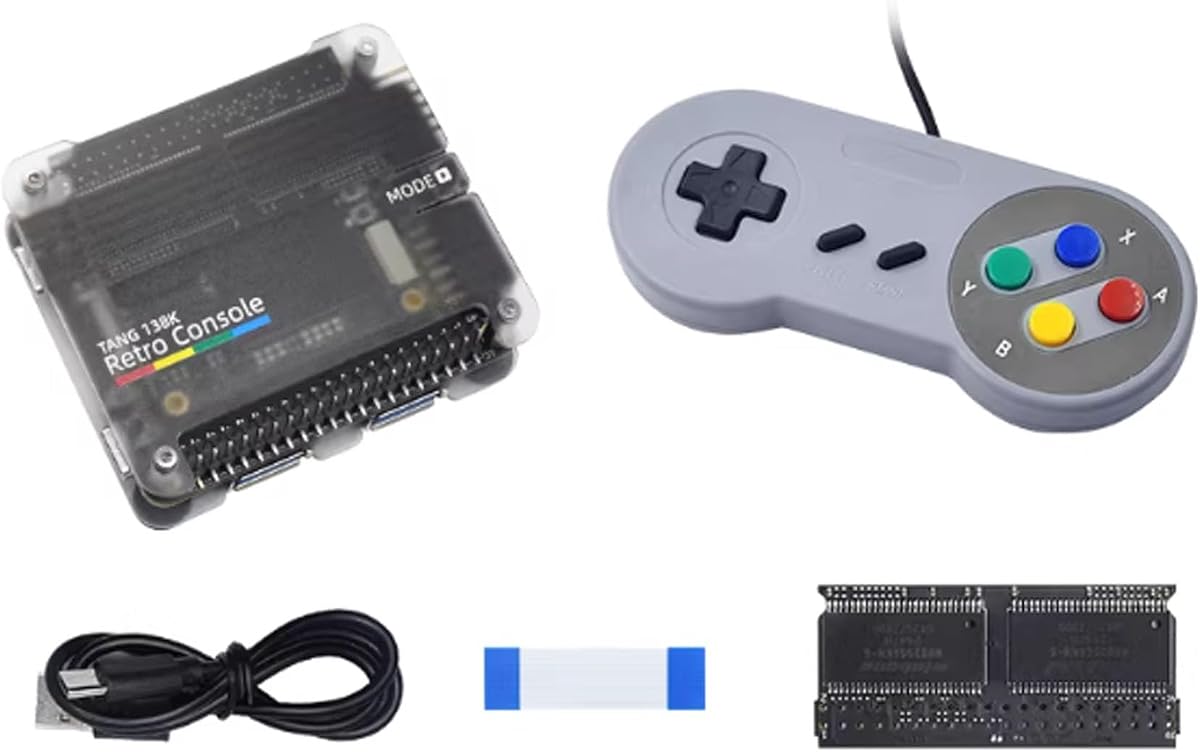
The Sipeed Tang Console 138K stands out as a top choice for retro enthusiasts seeking authentic FPGA performance. It offers a robust 138K LUT4 configuration combined with an integrated RISC-V processor for enhanced functionality. This device is ideal for those who want a versatile development board that doubles as a powerful gaming console. Its compact size allows it to fit easily into any setup without consuming much desk space.
We may earn a commission when you buy through this link, at no additional cost to you.
Key strengths include its ability to support a wide range of retro game cores such as NES SNES and GBA. The HDMI output ensures sharp visuals up to 1080p making it compatible with modern displays. Additionally the dual PMOD ports and PCIe Gen3 x1 interface provide excellent expandability for custom projects. The fanless design ensures silent operation which is perfect for immersive gaming sessions.
Honest trade-offs involve the initial setup process which may require some technical knowledge from users. There is no case included in the package so you may need to source one separately for protection. However these minor inconveniences are outweighed by the raw power and flexibility this board offers compared to pre assembled consoles.
This device is best suited for developers and hobbyists who appreciate open hardware and customizable gaming experiences. If you value performance and the ability to tweak your system to your liking this console is a strong recommendation.
The 138K LUT4 logic cells allow for complex game emulation and accurate timing that software alone cannot achieve.
Built-in RISC-V processor enables Linux support and broader application possibilities beyond just gaming.
We may earn a commission when you buy through this link, at no additional cost to you.
The Sipeed Tang Console FPGA development board provides powerful performance with configurations up to 60K or 138K LUT4s. It includes onboard hardware like the BL616 MCU and extensive memory options such as SSRAM and DDR3 RAM. This makes it a versatile tool for developers who need a single board computer that can run complex firmware and emulator cores effectively. Its small form factor ensures it is easy to integrate into various projects.
We may earn a commission when you buy through this link, at no additional cost to you.
It supports various Tang Core emulator cores including NESTang and GBATang which cater to different retro gaming needs. The board features rich expansion options including PCIe connectors and multiple USB ports for peripherals. This connectivity allows for a high-resolution gaming experience on modern TVs or monitors. The inclusion of SD card slots further extends its utility for storing game data and operating systems.
While highly capable the initial configuration might pose challenges for users unfamiliar with FPGA programming. You may need to spend time learning the SDK and setting up the environment before enjoying gameplay. However for those willing to invest the effort the customization potential is unmatched in the current market for retro solutions.
This device is an excellent pick for developers and engineers looking to build custom gaming solutions or learn FPGA design. It offers endless possibilities in a versatile package that balances power and portability for serious users.
With USB3.0 HDMI and PCIe connectors this board supports a wide array of peripherals and displays.
Onboard DDR3 and SSRAM ensure smooth operation for demanding projects and games without lag.
We may earn a commission when you buy through this link, at no additional cost to you.
The Sipeed Tang Console 138K Retro Premium FPGA Developed Board is designed for users seeking high performance and reliability. It features HDMI output and dual PMOD ports for extensive connectivity and expansion. This board is compatible with Raspberry Pi 5 PCIe HAT making it a flexible option for various DIY projects. The package includes essential components to get you started on your development journey immediately.
We may earn a commission when you buy through this link, at no additional cost to you.
Its premium designation suggests a focus on quality and performance for demanding applications. The HDMI interface ensures that you can connect to modern displays for a crisp gaming experience. Dual PMOD ports allow for easy integration of additional hardware modules or custom controllers. This level of flexibility is rare in off-the-shelf retro gaming solutions available today.
One consideration is that the price point is higher than other development boards which may be a barrier for some. Documentation may also require you to look online for specific guides rather than having everything in a box. Despite this the value provided by the hardware capabilities justifies the investment for serious hobbyists.
This board is best for those who want a premium FPGA experience with the ability to customize heavily. It serves as a powerful development tool while also functioning as a dedicated console for classic games.
Engineered for quality the 138K LUT4 core handles complex emulation tasks with ease and precision.
Compatible with Pi 5 PCIe HAT allowing seamless integration into existing single board computer setups.
We may earn a commission when you buy through this link, at no additional cost to you.
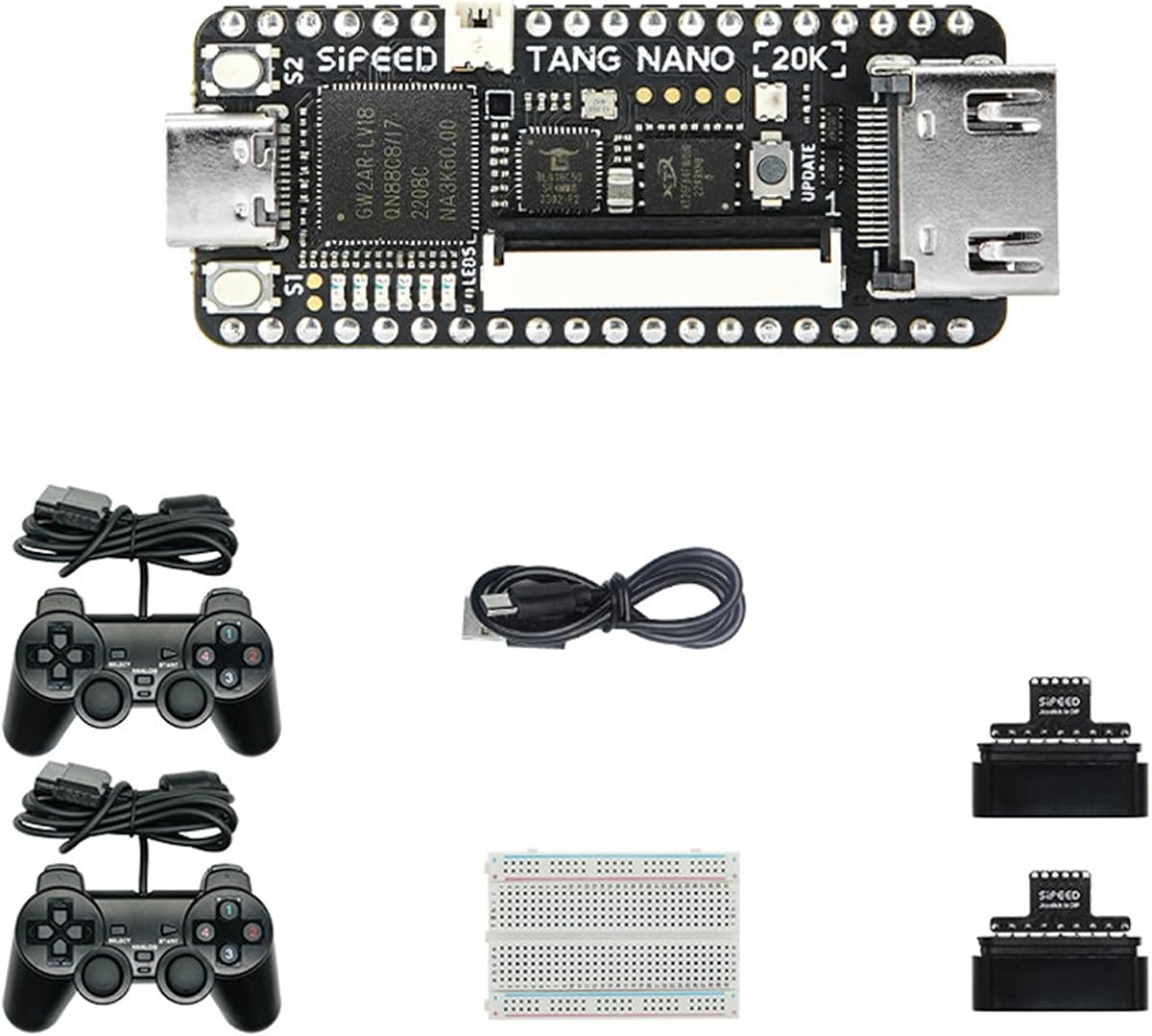
The Sipeed Tang Nano 20K is a fantastic entry point for those interested in FPGA retro consoles on a budget. It features the GW2AR-18 QN88 FPGA chip with 20736 LUT4 logic cells and significant memory resources. This board supports Linux RISCV and offers various interfaces like microSD and RGB LCD for versatile use. It is an open source development board that encourages experimentation and customization.
We may earn a commission when you buy through this link, at no additional cost to you.
Its affordability makes it accessible to students and hobbyists who want to learn FPGA without a huge investment. The onboard debugger via JTAG and USB to UART simplifies the development process significantly. You can use it for game console emulators or RGB screen drives with impressive flexibility. The inclusion of a 27MHz crystal ensures reliable clock generation for stable HDMI displays.
Compared to larger boards it has less logic capacity which limits the complexity of cores you can run. Some setup effort is needed to configure the environment which might be daunting for non technical users. Nevertheless for the price it offers exceptional value and capability for learning and basic gaming.
This product is ideal for beginners and those on a tight budget who still want a powerful retro gaming experience. It balances cost and performance well making it a strong contender in the affordable FPGA market.
With 20K LUT4 logic and ample SDRAM this board delivers solid performance at a very low price.
Interfaces like microSD RGB LCD and JTAG provide multiple ways to connect and extend functionality.
We may earn a commission when you buy through this link, at no additional cost to you.
The Sipeed Tang Nano 20K development board runs a RISC-V Linux system that enables seamless retro gaming experiences. It employs the GW2AR-18 QN88 FPGA chip which is powerful enough for many classic emulators. The BL616 chip on the board provides essential debug functionality like JTAG and serial communication. This makes it a strong candidate for both development and direct game player applications.
We may earn a commission when you buy through this link, at no additional cost to you.
It supports various application scenarios including game console emulation and RGB display control with multiple outputs. The open source nature allows users to modify firmware and create custom designs easily. With 20K LUT4 logic it balances capability and efficiency effectively for single board computer tasks. HDMI port support ensures compatibility with modern television and monitor setups easily.
Users may find the learning curve steep if they are new to Linux or FPGA programming. However the extensive documentation and community support help mitigate these challenges significantly over time. It offers a great balance of performance and cost for those willing to dive into the technical aspects.
This board is perfect for enthusiasts who want to explore open source Linux gaming and custom FPGA projects. It is a versatile tool that grows with your skills and interests in hardware development.
Running on RISC-V Linux allows for a full operating system experience on a compact retro board.
Multiple display outputs including HDMI and RGB LCD provide options for various screen setups.
We may earn a commission when you buy through this link, at no additional cost to you.
This Sipeed Tang Nano 20K Single Board Computer offers open source RISCV Linux capabilities for a versatile retro game console experience. It features the GW2AR-18 QN88 FPGA chip with robust logic and memory resources for emulation. The onboard BL616 debugger simplifies development tasks like JTAG and SPI communication significantly. This board supports multiple display outputs making it adaptable for different screen preferences.
We may earn a commission when you buy through this link, at no additional cost to you.
It is designed for users who want full control over their gaming system without proprietary restrictions. The ability to run NES emulators and other classic cores is a major highlight for retro fans. USB2.0 HS interface provides smooth data transfer and clock generation for stable displays. It is a comprehensive solution for DIY enthusiasts looking for a powerful development platform.
You will need to invest time in setting up the Linux environment and loading games yourself. There are no pre installed options so you must bring your own ROMs and media. However for those who enjoy customization this level of control is exactly what they are looking for.
This board is best for DIYers who want a powerful open source Linux console that they can fully control. It provides an excellent foundation for learning and building custom retro gaming setups.
Open source RISCV Linux allows total control over the system software and game configurations.
The GW2AR-18 chip delivers reliable performance for emulation and custom design tasks alike.
We may earn a commission when you buy through this link, at no additional cost to you.
The Arduboy FX-C offers instant retro gaming with over 300 preloaded classic games requiring no downloads or internet. Its credit card size design allows it to slide effortlessly into your wallet for true portability. Powered by ATmega32u4 it supports custom games and community assets for endless possibilities. This device is officially authorized and preserves the original hardware architecture for seamless compatibility.
We may earn a commission when you buy through this link, at no additional cost to you.
It includes an upgraded FX chip and a high-contrast OLED screen for crisp visuals even in low light. The low-power MCU delivers over 8 hours of playtime on a single charge for extended sessions. USB-C connectivity allows for next-gen multiplayer battles connecting two consoles together for fun. It is a great tech gift for friends couples or siblings interested in classic gaming.
While portable the screen resolution is limited compared to larger handhelds which might affect detail in complex games. There is no touchscreen capability which restricts some modern interaction styles but keeps it true to retro roots. For pure nostalgia and portability however it remains an unbeatable choice for many users.
This console is perfect for travelers and fans who want a pocket-sized device ready to play instantly. It combines fun gaming with STEM education making it ideal for students and retro enthusiasts alike.
Over 300 classic games come preloaded ensuring you can start playing immediately without setup.
Learn C++ coding via the Arduino IDE to create your own custom games and programs.
We may earn a commission when you buy through this link, at no additional cost to you.
The Trimui Brick retro game console features a 3.95-inch IPS full viewing angle screen with sharp visuals. It supports high performance emulators for 20+ classic simulators without frame dropping issues. The Allwinner A133P chip provides a main frequency up to 1.8GHz for immersive graphics. With a 5000mAh lithium battery it offers long standby time and up to 5 hours of gameplay per charge.
We may earn a commission when you buy through this link, at no additional cost to you.
Dual Hall joysticks ensure precise control while the vibration motor enhances gameplay feedback. The USB-C cable supports fast charging which is convenient for long trips. It includes multiple language options for global accessibility making it user friendly for everyone. Although it does not come with a memory card the flexibility to bring your own is a benefit.
Users need to provide their own SD card which may be a minor inconvenience for some buyers. The system requires you to download and install games yourself rather than offering a preloaded library. However the high quality display and controls make this a worthy trade-off for dedicated players.
This device is ideal for those who prioritize screen quality and battery life in a portable console. It delivers an impressive graphics experience for classic games on the go with reliable hardware performance.
The 3.95-inch IPS screen offers vibrant colors and sharp resolution for a beautiful gaming experience.
With 5000mAh capacity and fast charging support you can play for hours without interruption.
We may earn a commission when you buy through this link, at no additional cost to you.
The RG40XXV Retro Game Console features a Linux system with games included for immediate play. It is designed as a handheld device that offers a smooth retro gaming experience out of the box. This model is known for its high user ratings which speak to its reliability and performance. The Linux OS provides flexibility for advanced users to customize settings and add new titles easily.
We may earn a commission when you buy through this link, at no additional cost to you.
Its reputation suggests a strong focus on user satisfaction and consistent gameplay across different systems. The pre-installed games save time on setup allowing you to dive straight into classic titles. The handheld form factor is optimized for comfort and ease of use during long sessions. It appeals to those who want a ready-to-use system without extensive configuration.
Specific hardware details are less detailed in the data but the high ratings suggest quality components. You may have to rely on community support for troubleshooting since official docs are not highlighted. Despite this the proven track record makes it a safe choice for fans of Linux handhelds.
This console is perfect for users who want a Linux-based handheld that is ready to play right away. It offers a balance of performance and convenience with the backing of positive user feedback.
Running on Linux means you have the freedom to install new software and tweak the interface.
Games come included so you can start playing your favorite retro titles without any setup.
We may earn a commission when you buy through this link, at no additional cost to you.
The TRIMUI Brick PRO offers a stunning 3.95 inch IPS fully laminated display with sharp vibrant visuals. It runs an open-source Linux system allowing you to add your own ROMs for a customizable experience. Dual Hall effect joysticks provide precise smooth analog control free from drift issues. A massive 5000mAh battery powers hours of uninterrupted gameplay with fast charging support.
We may earn a commission when you buy through this link, at no additional cost to you.
This handheld features premium controls including action buttons and a single-channel vibration motor for haptic feedback. The fully laminated screen reduces glare and improves contrast for excellent viewing angles anywhere. It includes 8GB eMMC internal storage plus support for up to 1TB TF cards. Its compact dimensions fit easily in your pocket or bag for ultimate portability.
No games are pre-installed so you must bring your own TF card to store your library. While this offers flexibility it means extra setup time before you can play any game. However the high build quality and screen performance make this a top choice for serious gamers.
This console is perfect for those seeking a premium portable experience with high-end controls and display. It balances power and portability making it a leader in the handheld retro gaming category for enthusiasts.
Drift-free joysticks ensure your inputs remain accurate over time for consistent gameplay.
The fully laminated IPS screen delivers sharp images and wide viewing angles for immersive play.
We may earn a commission when you buy through this link, at no additional cost to you.
Selecting the right FPGA retro console requires evaluating several key factors to ensure it meets your gaming needs.
FPGA logic capacity measured in LUT4s determines how complex a game core can be. Higher capacity like 138K allows for more demanding emulation like Amiga or complex arcade systems. Smaller units like 20K are great for simpler 8-bit systems but may struggle with heavy 16-bit cores.
Always check the LUT4 count to ensure it supports the specific systems you want to play.
Modern HDMI output is essential for connecting to current TVs and monitors without extra adapters. Look for boards that support 1080p resolution for a crisp and clear image. RGB LCD support is a bonus for handheld builds or specific retro monitor setups.
Ensure the console supports HDMI to match your display and avoid signal conversion issues.
Ports like USB3.0 PCIe and PMOD allow you to connect controllers and custom hardware. USB ports are crucial for plugging in gamepads or keyboards for navigation. PCIe or HAT compatibility extends the device for other computing tasks.
Prioritize models with versatile ports if you plan to expand beyond simple gaming.
Integrated RISC-V processors enable Linux support which adds app running and file management. This turns a simple console into a full single board computer. Linux support also means better community tools and software updates.
Choose a board with Linux support if you want flexibility beyond just running game cores.
Development boards are usually desktop units while handhelds are portable. Consider if you want a desktop console for TV or a pocket device for travel. Size and weight matter if you plan to take it to friends houses.
Pick a form factor that fits your typical gaming location whether fixed or mobile.
FPGA devices often require flashing firmware or compiling cores before use. Some boards come with pre configured images while others need technical setup. Evaluate your technical comfort level before buying a developer focused unit.
Look for pre-installed options or detailed guides if you want to avoid complex setup.
Prices vary significantly from budget 20K boards to premium 138K systems. Higher logic counts cost more but offer broader game compatibility. Determine how much you are willing to spend based on your target library.
Set a budget range to narrow down options that fit your financial constraints.
Active communities provide custom cores firmware updates and troubleshooting help. Check if the manufacturer offers forums documentation or wiki pages for their products. A strong community ensures your device stays usable for years to come.
Verify that support resources exist before purchasing to avoid isolation issues.
To get started with a FPGA retro console download the necessary firmware from the manufacturer wiki or community resources. Connect the device to a display via HDMI and attach compatible controllers via USB or custom wiring. Power the system using the provided adapter or battery pack for desktop or handheld use.
Store your game ROMs on a microSD card or SSD connected to the system depending on model. Use the file manager or launcher to browse and select games for immediate play. Regularly back up your save states to avoid losing progress during updates.
Protect the hardware by keeping it in a dry dust free environment. Avoid touching exposed pins on expansion ports to prevent damage. Update your firmware only when necessary and always backup settings before making changes.
An FPGA retro console uses Field Programmable Gate Array hardware to emulate classic systems at the circuit level. This method offers near perfect timing and low latency compared to software emulation. It allows for high fidelity gameplay that feels like the original hardware.
Some FPGA devices require basic technical knowledge for initial setup but many now offer user friendly tools. Pre loaded consoles like the Trimui or Arduboy are ready to play out of the box. Development boards might need you to flash firmware or compile code.
Running FPGA emulators is legal as long as you use games you own or have a license for. Pre installed systems that come with commercial ROMs can be legally questionable in some regions. It is best to source your own legal game files.
Yes most FPGA boards like the Sipeed Tang series support Game Boy SNES and other classic cores. The logic capacity of the board determines how many systems you can run smoothly. Higher capacity models handle complex systems better than smaller ones.
You will typically need an HDMI cable power supply and controllers to play. Some models require you to buy a microSD card separately for storage. Expansion modules might be needed for custom controls or RGB screens.
FPGA provides hardware level emulation with lower latency while Raspberry Pi uses software emulation on an OS. FPGA is generally better for authentic timing and performance with less input lag. Pi offers broader Linux functionality but may have slightly higher lag.
We have explored ten top FPGA retro consoles ranging from budget boards to premium handhelds for every need. The Sipeed Tang Console 138K offers high performance for developers while the Trimui Brick PRO delivers a premium portable experience. Each device brings unique strengths for those seeking authentic retro gaming.
When choosing prioritize the systems you want to play and the level of technical control you prefer. A 138K board gives maximum flexibility whereas a pre loaded handheld is convenient for casual play. Consider how much you are willing to set up versus plug and play.
Prices and availability fluctuate so always check current listings before buying. We recommend verifying that the model supports your desired game library before purchase. With careful selection you will find the perfect console to revive your classic gaming memories.