
Official Ender 3 V2 Heated Bed
4.5Editor score
Official Creality replacement part
220W 24V power rating
Compatible with Ender 3 series
Compare the top 10 heated beds for 3D printers including Creality Ender and Voron models to find the best option for your specific printing needs.
Finding the right heated bed for your 3D printer is crucial for successful prints. A good heated bed ensures proper adhesion and reduces warping across various materials.
We compared ten top-rated heated beds based on compatibility power output and build quality to help you choose the perfect upgrade for your existing 3D printing setup.
Each pick highlights key features and real-world performance notes so you know what to expect. Prices and availability may change so please verify before purchasing.
4.5Editor score

5.0Editor score

5.0Editor score
This side-by-side comparison evaluates all ten selected heated beds across key specifications including dimensions voltage ratings material construction and compatibility with popular printer models.

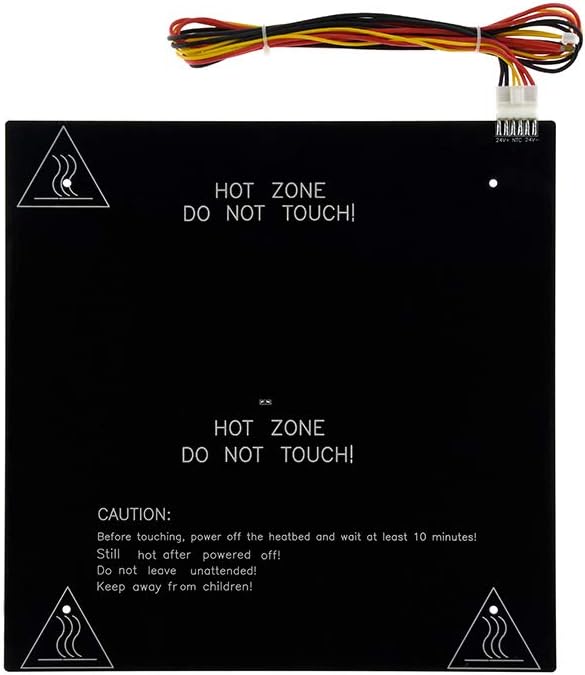


The Official Ender 3 V2 Heated Bed stands out as a top choice for users seeking a reliable replacement. It receives strong marks for compatibility and consistent performance across multiple Creality models.
We may earn a commission when you buy through this link, at no additional cost to you.
This bed uses a 220W 24V configuration that provides efficient heating. The aluminum platform ensures even heat distribution which helps reduce warping issues during longer prints.
While it lacks advanced text options the direct compatibility makes installation straightforward. Users should note that bed adhesion may require additional surface treatments for certain materials.
Anyone upgrading an Ender 3 series printer will find this bed a practical and cost effective solution that maintains original specifications without compromise.
Being an official part guarantees fit and electrical safety without needing custom wiring or mounting solutions.
The aluminum base helps maintain steady temperatures throughout the print run which is vital for dimensional accuracy.
We may earn a commission when you buy through this link, at no additional cost to you.
The HICTOP Ender 3 Heated Bed offers a robust alternative for users needing a replacement part with broad compatibility. It supports a range of Creality and Voxelab printers effectively.
We may earn a commission when you buy through this link, at no additional cost to you.
Its 220W 24V power setup delivers reliable heat across the 235x235mm print area. The aluminum material ensures durability and steady thermal performance for everyday printing tasks.
Although it performs well users may still need to adjust bed adhesion settings for specific filaments. Proper leveling remains essential for achieving optimal first layer results.
This bed is a solid choice for hobbyists looking for a dependable upgrade without spending extra on premium features beyond standard functionality.
Works seamlessly with multiple printer models including the Neo and V2 series which expands its utility for diverse setups.
The aluminum build resists warping over time which helps maintain print quality and bed flatness during long use periods.
We may earn a commission when you buy through this link, at no additional cost to you.
The Tosuny 200W Silicone Heated Bed delivers exceptional performance with its high temperature resistance and fast heating capabilities. It earns top ratings for consistent results across different filament types.
We may earn a commission when you buy through this link, at no additional cost to you.
Its silicone construction enables quick warm ups and uniform heat spread across the 235x235mm area. This design minimizes cold spots which helps prevent warping during prints.
While the silicone requires careful handling during installation it offers long term durability and efficient power use. Users appreciate the flexibility it provides for various printer models.
For those prioritizing print quality and heating speed this bed provides a balanced solution that stands out among standard aluminum replacements in value and performance.
Silicone technology heats up significantly faster than traditional aluminum beds saving time between prints and improving workflow efficiency.
The pad ensures heat spreads evenly across the entire surface which is critical for large prints and temperature sensitive materials.
We may earn a commission when you buy through this link, at no additional cost to you.
The CR10 Aluminum HeatBed offers a larger 310x310mm build volume for users working with bigger projects. It includes the necessary holes and wire kit for straightforward installation on compatible printers.
We may earn a commission when you buy through this link, at no additional cost to you.
Its 220W 24V system provides adequate heating for the increased surface area. The aluminum construction ensures durability though some users report adhesion variability compared to smaller beds.
While the rating is modest this bed fills a niche for those needing expanded space without replacing the entire printer frame. Proper bed leveling is critical to maximize performance.
This option is best for budget conscious makers who need a larger platform and are willing to fine tune adhesion settings for optimal results.
The 310x310mm surface allows for printing larger objects or multiple smaller items at once which boosts productivity significantly.
Includes mounting holes and power wire so no extra sourcing is needed which streamlines the upgrade process for CR10 users.
We may earn a commission when you buy through this link, at no additional cost to you.
The YWBL-WH 500x500mm Heated Bed targets users needing industrial scale build volumes with a robust 350W heating system. Its aluminum alloy structure offers stability and consistent performance.
We may earn a commission when you buy through this link, at no additional cost to you.
Despite its large size the integrated design maintains uniform temperature across the entire surface. This helps reduce warping on large prints which is often a challenge with oversized beds.
However the power requirements and price mean this bed suits dedicated setups rather than casual hobbyists. Careful mounting and electrical checks are essential for safe operation.
This bed is ideal for professional users or large format projects where build size and thermal stability are top priorities despite the higher investment cost.
The 350W output ensures sufficient heat for a massive 500x500mm area maintaining stability even during extended high temperature prints.
Countersunk holes keep the surface flat preventing nozzle collisions and ensuring accurate first layer adhesion across the large bed.
We may earn a commission when you buy through this link, at no additional cost to you.
The FYSETC Silicone Heating Plate delivers premium performance with its 750W AC power and built-in safety features. It is engineered for Voron 2.4 and Trident builds where precision is key.
We may earn a commission when you buy through this link, at no additional cost to you.
Its 300x300mm mat covers most of the bed plate ensuring rapid heating and uniform temperatures. The thermal fuse adds a critical layer of safety during high power operations.
While the AC power and price are substantial this bed provides unmatched reliability and heat control for advanced builds. It is the go-to upgrade for serious Voron enthusiasts.
Users seeking top tier safety and speed will find this bed worth the investment for its robust design and compatibility with demanding 3D printing projects.
The bimetal thermal fuse disconnects power if temperatures exceed safe limits protecting your printer and prints from overheating risks.
Designed to cover 95 percent of the hot bed plate it maximizes heating area and uniformity for flawless print results.
We may earn a commission when you buy through this link, at no additional cost to you.
The Aluminum MK2 MK3 Heated Bed offers a compact 220x220mm upgrade with a safe 12V power configuration. It includes the necessary cable and wire for hassle-free installation.
We may earn a commission when you buy through this link, at no additional cost to you.
Its 120W heating delivers steady performance for small to medium prints. The aluminum substrate ensures durability though slower warm up may be noticeable on larger surfaces.
This bed suits budget users and older printer models requiring a reliable replacement. It maintains original specifications while offering a clean upgrade path for compatible devices.
Anyone working with Anet printers or small build volumes will appreciate the simplicity and safe voltage design that reduces electrical concerns during upgrades.
Running on 12V reduces electrical risk and works with standard printer boards making installation safer for beginners and hobbyists.
The package includes hotbed and cable ensuring you have everything needed for a straightforward upgrade without extra sourcing.
We may earn a commission when you buy through this link, at no additional cost to you.
The 3D Printer Heated Bed 400x400mm provides a generous build area with a 280W heating system. Its aluminum alloy construction supports stable performance across larger print jobs.
We may earn a commission when you buy through this link, at no additional cost to you.
The flat countersunk design helps maintain surface precision and prevents nozzle collisions. Users benefit from fast heating and consistent output which improves print success rates.
While specific rating data is limited the specs suggest reliable performance for Ender 3 Pro and CR-10 users. Setup and adhesion tuning may be needed for best results.
This bed serves those needing a mid range balance of size and power without moving to industrial scale components or complex wiring setups.
Countersunk holes eliminate protruding screws ensuring a perfectly flat surface that improves print accuracy and nozzle clearance.
280W delivers fast heat up and stable temperatures for a 400mm bed which is essential for maintaining quality on large prints.
We may earn a commission when you buy through this link, at no additional cost to you.
The 3D Printer Hot Bed 500x500mm combines a large build area with a 350W system and rapid heating performance. It reaches 100C in about 90 seconds for efficient start up.
We may earn a commission when you buy through this link, at no additional cost to you.
Its integrated design ensures thermal stability and prevents warping during prints. The flat countersunk surface supports precision and nozzle safety for large format projects.
Although rating info is pending the specifications point to a high performance solution for demanding users. Proper electrical setup is vital given the power output.
This bed is suited for professionals needing large volume printing with quick turnaround times and stable heating across the entire 500mm surface.
Reaching target temperature in 90 seconds saves time and improves workflow efficiency compared to standard aluminum heating elements.
The integrated heating plate maintains consistent power which reduces temperature fluctuations and helps prevent print defects on large beds.
We may earn a commission when you buy through this link, at no additional cost to you.
The 300/350mm Silicone Heated Bed offers high wattage options with a perforated design that balances heating and heat dissipation. It is built for Voron 2.4 R2 and Trident printers.
We may earn a commission when you buy through this link, at no additional cost to you.
Operating at up to 1000W it heats quickly and evenly while minimizing temperature fluctuations. The stable power supply design helps prevent warping and ensures smooth prints.
Although specific ratings are unavailable the technical specs suggest a robust solution for advanced builds. Proper installation and power checks are critical for safe operation.
This pad is ideal for Voron users seeking maximum heating efficiency and rapid warm up with a design optimized for performance and reliability.
The perforated design allows for better heat dissipation which helps maintain uniform temperatures across the pad during operation.
Up to 1000W ensures rapid warm up and stable operation even with larger surface areas which is key for productivity.
We may earn a commission when you buy through this link, at no additional cost to you.
Selecting the right heated bed involves evaluating power, size, and compatibility to match your printer and materials.
Ensure the heated bed dimensions match your printer's build area. Check mounting hole spacing and connector types to avoid installation issues. OEM or model-specific parts simplify this process and reduce risk.
Always confirm compatibility with your printer model before purchase to guarantee proper fit and function.
Match the voltage and wattage of the new bed to your printer's power supply. Mismatched voltage can damage electronics or cause inconsistent heating. Higher wattage enables faster warm ups and better performance for large beds.
Verify voltage and wattage ratings to ensure safe and reliable operation for your specific setup.
Aluminum beds are common for durability and heat retention. Silicone pads offer faster heating and flexibility but require careful handling. Integrated designs improve thermal stability and reduce warping on large prints.
Choose materials based on your balance of heating speed, durability, and budget requirements.
Select a bed size that fits your printer's frame and meets your print volume needs. Larger beds offer more space but may need higher wattage for even heat. Ensure the new bed does not interfere with existing hardware.
Match the build area to your typical print sizes for optimal efficiency and compatibility.
Look for thermal fuses or sensors that prevent overheating during operation. These features protect your printer and workspace from potential risks. Proper wiring and installation are also critical for safety.
Prioritize beds with built-in safety mechanisms to reduce overheating risks during use.
Check if the bed includes necessary cables or connectors. Complex installations may require additional wiring or firmware adjustments. Simple plug-and-play kits reduce setup time and potential errors.
Choose options that match your installation skill level and available hardware.
Some beds offer better surface adhesion for specific filaments. Additional coatings or sheets may be needed depending on materials you use. Smooth surfaces reduce nozzle collisions and improve print quality.
Consider surface options and adhesion needs for the materials you plan to print with.
Prices vary based on size, features, and brand. Higher-end models may offer better performance and safety but at a higher cost. Balance cost with reliability to avoid frequent replacements or failures.
Set a budget that aligns with your performance needs and long-term reliability goals.
Install the new heated bed carefully ensuring all mounting screws and connectors are secure. Double check voltage settings and wiring matches your printer's power supply to prevent electrical issues.
Preheat the bed before each print to ensure consistent temperatures and better adhesion. Use your printer's firmware to monitor bed temperature and adjust settings as needed for different materials.
Clean the bed surface regularly using isopropyl alcohol to remove residue and oils. Avoid harsh chemicals or scratching the surface which can reduce adhesion and affect print quality over time.
Aluminum beds are durable with steady heat retention but warm up slower. Silicone beds heat faster and distribute heat evenly but may be less durable. Choice depends on your balance of speed and longevity needs.
Check your printer's build volume and mounting hole spacing. Look for models listed as compatible with your printer model to ensure the dimensions and mounting patterns match perfectly.
Using a higher wattage bed can be safe if your power supply supports the load. Verify voltage and amperage compatibility to avoid overloading your system and risking damage.
Uneven heating can result from poor connections or a damaged heating element. Ensure the wiring is secure and check for any physical defects in the bed surface or pad.
A heated bed can last years with proper care unless it develops failures or adhesion problems. Inspect for warping or inconsistent heating which may indicate it is time for replacement.
Yes a properly functioning heated bed reduces warping and improves first layer adhesion. This results in better print quality especially for materials like ABS and PETG that need stable temperatures.
Thermal fuses and sensors help prevent overheating during operation. Always use appropriate wiring and monitor temperature during printing to ensure safe working conditions for your setup.
Many beds include cables and instructions to simplify installation. Beginners should follow guides carefully and consult community support if wiring or firmware changes are needed.
We reviewed ten heated beds offering options from budget OEM parts to premium silicone solutions. Each selection balances performance compatibility and value for diverse 3D printing needs.
Prioritize matching power voltage and size to your printer to ensure safe and effective operation. Consider materials and safety features based on your printing frequency and filament choices.
Always check current product availability and pricing before purchasing. Upgrading your heated bed can enhance print quality and reliability with a well chosen compatible part.