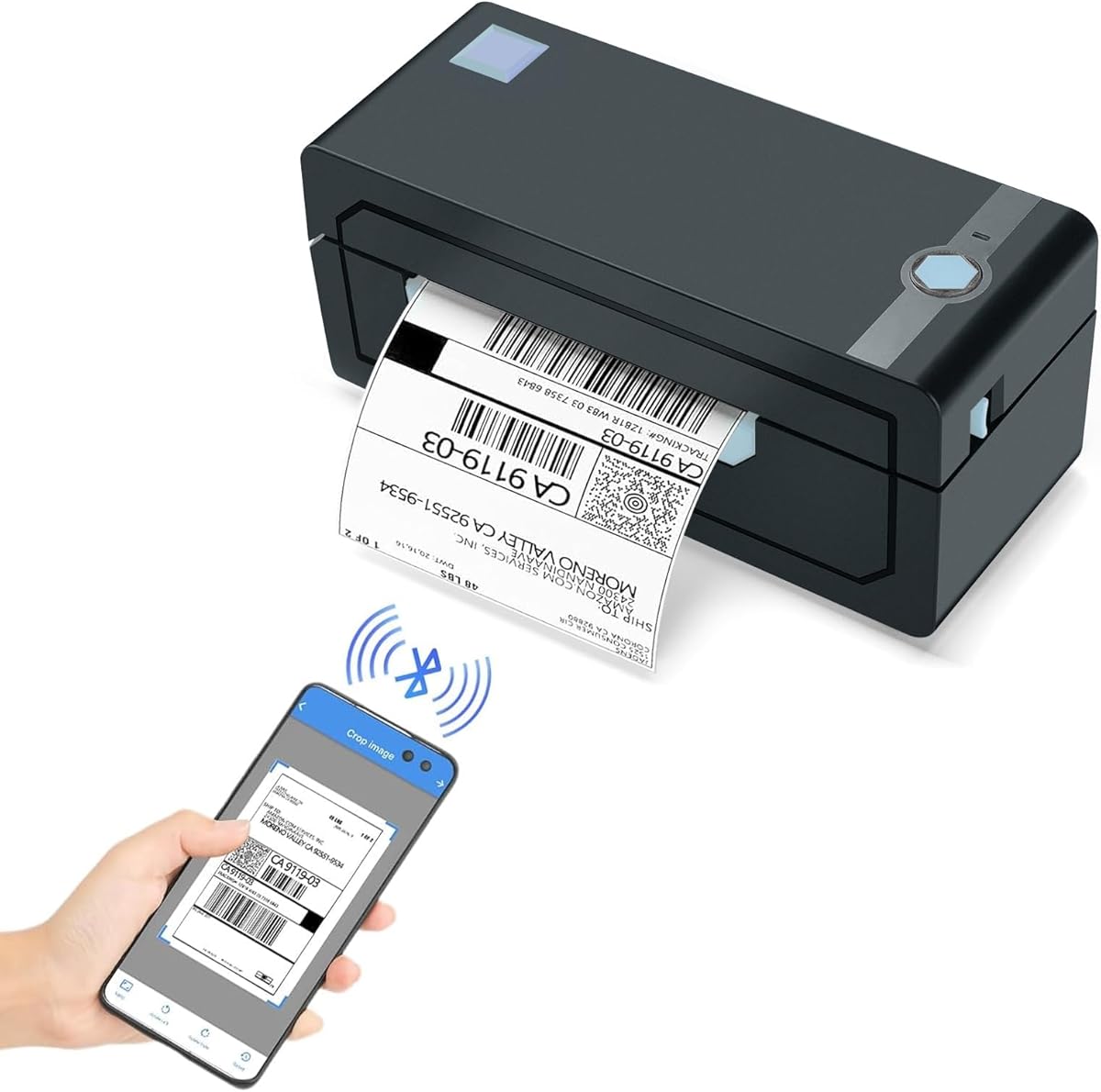
JADENS Bluetooth Thermal Shipping Label Printer
4.4Editor score
USB and Bluetooth options
Wide label size range
Compatible with major platforms
Finding a reliable Label Printer for Linux can be challenging since many devices prioritize Windows or Mac support. This guide highlights models with genuine Linux driver support or open-source compatibility for seamless integration.
We evaluated ten top-rated thermal label printers based on connectivity, print quality, and community-driven Linux compatibility. Each entry includes detailed specs and real-world performance insights for open-source users.
Every pick below shows key features, pros, cons, and direct links for verification. Prices and availability change frequently so please check the current listings before making your final purchasing decision today.
4.4Editor score

4.0Editor score
4.6Editor score
As an Amazon Associate we earn from qualifying purchases.
This side-by-side comparison outlines the core specifications and capabilities of each selected Label Printer for Linux. Use this table to quickly identify connectivity options, print widths, and supported ecosystems before diving into detailed reviews.


The iDPRT SP310 stands out as the top Label Printer for Linux due to its dedicated driver support for this open-source ecosystem. It delivers professional-grade thermal printing with reliable USB connectivity that minimizes dropouts during heavy workloads.
We may earn a commission when you buy through this link, at no additional cost to you.
This printer features a robust 203 DPI print head that ensures crisp barcodes and text even at high speeds of up to four inches per second. Its open system design allows you to use third-party labels without proprietary chip restrictions.
While it lacks advanced Bluetooth capabilities found in other models the stable wired connection ensures consistent performance for desktop workflows. The calibration sensors automatically detect label gaps to prevent misalignment during continuous printing tasks.
Ideal for Linux users needing dependable shipping or inventory labels the SP310 balances speed with affordability. Its free design software further enhances value by enabling custom layouts without subscription fees.
Drivers are specifically tailored for Linux systems ensuring plug-and-play functionality without complex configuration steps.
The open architecture eliminates proprietary chip limits allowing you to source affordable third-party label rolls easily.
We may earn a commission when you buy through this link, at no additional cost to you.
The JADENS Bluetooth Thermal Printer offers an affordable entry point for Linux users who can leverage its USB connection effectively. Its Japanese thermal print head ensures clean outputs without ink or toner messes in your workspace.
We may earn a commission when you buy through this link, at no additional cost to you.
This unit supports a wide range of label widths from 1.57 to 4.1 inches making it versatile for shipping or inventory tasks. It integrates seamlessly with major platforms like ShipStation and Amazon through standard drivers.
Bluetooth functionality is primarily designed for mobile devices so desktop users should rely on the stable USB cable connection. The printer includes a U-Disk with setup videos to streamline installation and troubleshooting processes.
For small businesses on a tight budget the JADENS provides reliable performance and broad compatibility. Its simple setup and compact footprint make it an excellent choice for home offices or small retail environments.
Dual USB and Bluetooth options allow flexible integration depending on whether you prioritize mobility or stability.
Direct thermal printing eliminates the need for expensive consumables like ink or toner cartridges.
We may earn a commission when you buy through this link, at no additional cost to you.
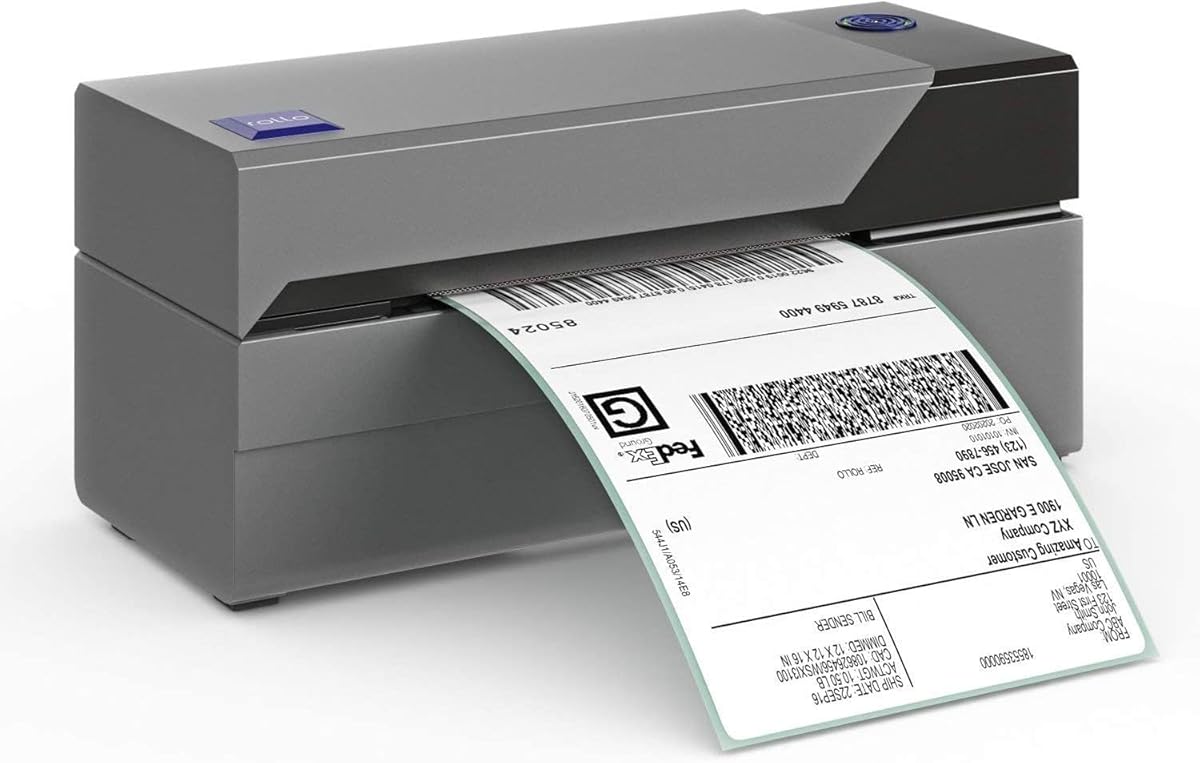
The Rollo USB Shipping Label Printer delivers commercial-grade speed and durability suitable for high-volume environments. Its direct thermal technology prints labels at 150mm per second ensuring rapid turnaround for daily shipping demands.
We may earn a commission when you buy through this link, at no additional cost to you.
With broad compatibility across Windows and Mac systems Linux users often find success through open-source drivers or CUPS integration. The high-resolution 203 DPI head produces scannable barcodes essential for logistics and warehouse tracking.
While the price reflects its robust build the included Rollo Ship app adds value by offering discounted shipping rates across major carriers. This makes it a cost-effective long-term investment despite the initial outlay.
Ideal for growing businesses needing reliability the Rollo printer handles heavy tasks without bottlenecks. Its straightforward USB connection and plug-and-play setup minimize downtime keeping your operations running smoothly.
Built to withstand continuous daily use this model reduces downtime associated with consumer-grade alternatives.
The companion app streamlines label creation and offers exclusive carrier rates to lower overall shipping costs.
We may earn a commission when you buy through this link, at no additional cost to you.
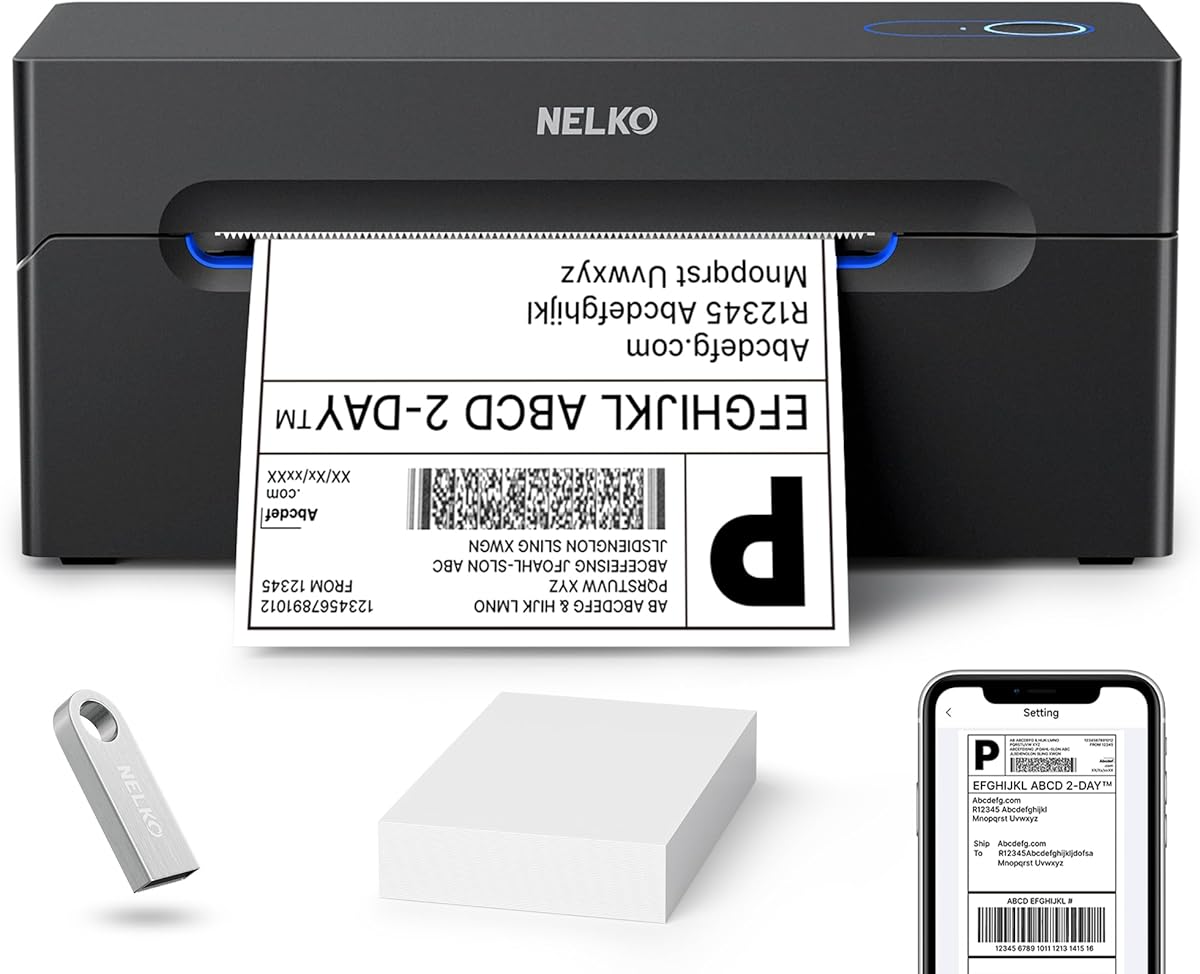
The Nelko Bluetooth Thermal Label Printer combines affordability with flexibility for various labeling tasks. Its thermal technology supports speeds of 150mm per second ensuring efficient workflows without compromising print quality or clarity.
We may earn a commission when you buy through this link, at no additional cost to you.
Linux users should utilize the USB connection for stable desktop printing since Bluetooth requires the Nelko app primarily for mobile devices. The printer handles a wide label width range suitable for shipping price or barcode tags.
The included U-Disk provides instructional videos that simplify setup for new users. This support is particularly helpful when configuring drivers on alternative operating systems like Linux or ChromeOS.
For home-based sellers or small offices the Nelko offers a compact solution that maximizes desk space. Its straightforward operation and lack of consumables make it a practical choice for budget-conscious buyers.
Using USB ensures a consistent connection for Linux desktops avoiding wireless interruptions during critical print jobs.
The small physical footprint makes it easy to fit into crowded workspaces without sacrificing functionality.
We may earn a commission when you buy through this link, at no additional cost to you.
The Brother P-touch CUBE Plus is a compact Bluetooth label maker ideal for organizing home or office items. It connects wirelessly to mobile devices or desktops providing flexibility for quick labeling tasks on the go.
We may earn a commission when you buy through this link, at no additional cost to you.
Users can choose from several Brother software applications including P-touch Design and Print for customized templates. The device supports various tape types allowing for creative labels with patterns or glitter finishes.
While it lacks wide shipping label support it excels at creating tags for bins folders or assets. The rechargeable battery ensures portability without constant reliance on a power outlet during use.
For Linux users focusing on organization rather than shipping this printer offers convenient wireless access. Its pre-designed templates simplify the process of creating professional-looking labels for personal or small business use.
Bluetooth connectivity allows you to print from smartphones or tablets without needing a dedicated workstation.
Access to diverse fonts frames and symbols helps tailor labels for specific organizational needs.
We may earn a commission when you buy through this link, at no additional cost to you.
The Brother QL-700 delivers exceptional speed capable of printing up to 93 labels per minute for high-volume tasks. Its drop-in roll system simplifies loading while the auto cutter ensures precise cuts for professional results.
We may earn a commission when you buy through this link, at no additional cost to you.
Linux compatibility may require specific drivers or CUPS configuration but once set up it offers robust performance. The device supports postage printing which is useful for direct mail or package preparation needs.
While it uses proprietary tapes the convenience and speed often justify the cost for busy offices. The continuous-length paper option also enables printing banners or signs beyond standard label sizes.
Ideal for environments requiring rapid label generation this model balances speed with ease of use. Its professional features make it a strong candidate for small businesses needing efficient organization tools.
High-speed printing reduces wait times allowing you to process large batches of labels quickly.
Drop-in rolls and automatic cutting streamline the workflow reducing manual handling errors.
We may earn a commission when you buy through this link, at no additional cost to you.
The Brother QL-570 offers high-resolution printing with a 300 x 600 DPI head for sharp text and imagery. It includes P-Touch Label Creation software enabling customization for various home and business applications.
We may earn a commission when you buy through this link, at no additional cost to you.
Linux users may find community-supported drivers available for this model ensuring basic functionality without native support. The included software provides flexibility for creating branded or informational labels quickly and efficiently.
Backed by a two-year limited warranty this printer offers peace of mind for long-term use. Its build quality ensures consistent results over time making it a dependable tool for professional environments.
Best suited for users prioritizing label quality and software features it remains a strong option. The combination of resolution and design tools supports detailed labeling needs beyond basic shipping requirements.
High DPI output ensures crisp text and logos that enhance professional branding on labels.
Included design tools allow for custom layouts without needing third-party applications.
We may earn a commission when you buy through this link, at no additional cost to you.
The SUPVAN T50M Pro is a portable Bluetooth label maker designed for home organization and small business needs. Its free app allows customization with fonts icons and frames without any registration hurdles.
We may earn a commission when you buy through this link, at no additional cost to you.
Linux users would primarily use this device via mobile since it lacks desktop drivers. The app supports high-resolution output ensuring that barcodes and QR codes remain scannable and clear.
With compatibility for square round and file labels it handles various labeling scenarios effectively. The included tapes provide a good starting point for immediate use out of the box.
Ideal for quick organizational tasks this compact printer delivers professional results. Its ease of use and cost-effective design make it a great choice for personal storage or retail tagging.
A free app with extensive editing tools simplifies label creation for non-technical users.
Support for multiple tape shapes ensures you can label diverse items accurately.
We may earn a commission when you buy through this link, at no additional cost to you.
The ETIKEZ Bluetooth Thermal Printer offers a cost-effective solution for shipping and barcode labeling. It connects via USB for desktop use ensuring stability while supporting the Labelnize app for mobile operations.
We may earn a commission when you buy through this link, at no additional cost to you.
Linux users may need to explore community drivers or CUPS since native support is not explicitly documented. The 203 DPI resolution guarantees clear prints suitable for warehouse or freight scenarios.
Its small footprint makes it easy to place in limited spaces like home offices. Step-by-step setup instructions help streamline initial configuration for new users.
Best for budget-conscious buyers needing basic functionality this printer balances price and performance. It handles standard shipping sizes well and integrates with major logistics platforms.
Low cost combined with solid features makes it an accessible option for small sellers.
USB connection provides a reliable link for desktop printing without wireless interruptions.
We may earn a commission when you buy through this link, at no additional cost to you.
The Brother P-Touch PT-D610BT is a professional label maker designed for dynamic business environments. It features a built-in keyboard and large color LCD display for quick on-device editing and previews.
We may earn a commission when you buy through this link, at no additional cost to you.
Bluetooth and USB options allow multiple users to access the device from computers or mobile devices. This connectivity helps support collaborative labeling workflows in offices or small teams.
Built-in memory stores frequently used labels for quick reprinting saving time on repetitive tasks. The device includes 175 business-specific templates for asset management and inventory tracking.
For users needing precise control and professional output this model excels. While it does not support wide shipping labels its organizational features make it a powerful tool for internal operations.
The QWERTY keyboard and display allow quick edits without needing a separate computer.
Pre-loaded business templates streamline the creation of standardized labels and tags.
We may earn a commission when you buy through this link, at no additional cost to you.
Selecting the right Label Printer for Linux involves evaluating driver support, connectivity, and print capabilities. This guide outlines the essential factors to consider for a smooth integration with your open-source environment.
Native driver availability is critical for seamless integration with your Linux system. Look for printers that explicitly mention Linux support or work through CUPS and open-source drivers.
Prioritize models with documented Linux compatibility to avoid complex manual driver setups.
USB offers the most stable connection for desktop Linux setups while Bluetooth provides mobility. Ensure the printer supports your preferred method for reliable data transfer.
Choose USB for heavy printing tasks to minimize wireless interruptions.
Print speed impacts workflow efficiency especially in high-volume environments. Models offering at least four inches per second reduce wait times during label generation.
Select faster speeds if you handle large batches of shipping or inventory labels daily.
Different printers support varying label widths ranging from 0.75 inches to four inches. Ensure the width matches your specific shipping or organizational requirements.
Verify the max width aligns with your standard label sizes before purchasing.
Resolution determines the clarity of text barcodes and logos on printed labels. A 203 DPI minimum is recommended for scannable and professional results.
Higher DPI ensures better readability for barcodes used in logistics.
The printer should work with your shipping platforms or inventory software for streamlined workflows. Check compatibility with services like ShipStation or Amazon Seller Central.
Integration reduces manual steps and prevents errors during label creation.
Consider the cost of label rolls and whether the printer requires proprietary chips. Open systems allow cheaper third-party labels reducing long-term expenses.
Opt for open systems to lower ongoing consumable costs.
Commercial-grade models typically withstand continuous use better than consumer units. A durable build ensures reliability for high-demand business environments.
Invest in robust construction for long-term operational stability.
To start using your Label Printer for Linux install the recommended drivers via CUPS or the manufacturer's provided packages. Connect the device using a stable USB cable to ensure consistent communication during print jobs.
Calibrate the printer regularly by following the manual steps to detect label gaps. This prevents alignment issues and ensures accurate printing for barcodes and address information on your labels.
Maintain your printer by keeping the thermal head clean and storing it in a dry environment. Avoid using damaged or expired labels that may cause jams or reduce print quality over time.
The iDPRT SP310 offers dedicated Linux drivers for seamless plug-and-play functionality. Many open-source users also successfully integrate Brother models using CUPS and community-supported packages.
Bluetooth pairing on Linux is possible but may require specific drivers or libraries. Wired USB connections often provide more stability for label printing workflows without wireless interruptions.
Yes several Linux-compatible tools like Scribus or GIMP can be used to design label layouts. These integrate well with CUPS for generating printable files directly from your system.
Install drivers via the manufacturer's package or use the CUPS web interface to add the printer. Most modern distributions auto-detect supported models after connecting via USB cable.
A minimum resolution of 203 DPI ensures barcodes and text remain clear and scannable. Higher resolutions improve detail but increase file sizes and print times slightly.
No thermal printers use heat to produce images on special coated labels eliminating the need for ink or toner. This reduces consumable costs and simplifies maintenance for daily use.
Not all printers support wide labels like 4×6 inches. Ensure the max width specification meets your shipping requirements before purchasing a compact or budget model.
Use the built-in calibration feature to adjust gap detection settings. Manually feeding labels through the printer during setup helps align print positions accurately with your media.
We have highlighted ten Label Printer for Linux options ranging from budget-friendly models to commercial-grade solutions. Each model provides distinct benefits whether you prioritize speed compatibility or open-source integration.
Focus on driver support and connectivity options to ensure the printer fits your Linux workflow seamlessly. High-speed models with open systems offer the best long-term value for active labeling needs.
Remember to verify current pricing and availability before buying since these factors change frequently. Use the direct links provided to access the latest offers and detailed specifications today.