
TopTes TS-301
4.6Editor score
Large two inch LCD screen
Measures humidity and temperature
Includes carry pouch case
Discover the top marine anemometers for sailors and boaters. This guide compares handheld wind meters and fixed systems for accuracy, durability, and ease of
Marine anemometers are essential tools for anyone navigating waters where wind conditions dictate safety and performance. These devices measure wind speed and direction, providing critical data for sail adjustments, storm warnings, and overall vessel stability. Choosing the right instrument ensures you have reliable information when it matters most.
We evaluated ten top-rated models ranging from portable handheld units to sophisticated integrated systems. Our comparison focuses on accuracy, build quality, ease of use, and suitability for various marine environments. Whether you need a quick check before casting off or continuous monitoring at sea, this list covers diverse needs.
Each pick highlights specific strengths like ruggedness, display clarity, or advanced data features. Remember that availability and pricing can fluctuate frequently due to supply chain dynamics and seasonal demand. Always verify current specifications and warranty details directly with the retailer before making your final purchase decision.
4.6Editor score

4.5Editor score

4.4Editor score
This side by side comparison outlines the key specifications and features of each selected marine anemometer. Use this table to quickly identify which model fits your specific boating or measurement requirements based on range, units, and additional sensors.



The BTMETER BT-100 stands out as a versatile and reliable tool for marine enthusiasts who need accurate wind data. With a rating of 4.5 stars, it consistently delivers precise measurements across a wide range of conditions. Its multifunctional design makes it suitable not just for sailing but also for drone flying and other outdoor activities.
We may earn a commission when you buy through this link, at no additional cost to you.
This device excels in its ability to measure wind speed in five different units including knots, mph, and m/s which is crucial for international sailing standards. The bright backlit LCD ensures you can read data even in low light conditions on deck. The inclusion of a tripod hole allows for hands-free monitoring when anchored or docked.
While the unit is robust, the battery cover can be slightly difficult to remove for replacement. Additionally, the automatic power-off feature is convenient but might interrupt long-term monitoring sessions if not manually overridden. These trade-offs are minor given the overall performance and price point of the device.
For sailors looking for a handheld solution that balances precision with portability, the BTMETER BT-100 is a top recommendation. It provides the essential data needed for safe navigation without the bulk of a full system. We recommend this unit for both casual boaters and serious enthusiasts.
The BT-100 features two temperature sensors and eight vanes for high sensitivity. This setup allows it to detect very low air flows which is helpful for assessing ventilation on deck or near hatches.
Beyond sailing, this anemometer is excellent for HVAC technicians and photographers. The tripod mount makes it easy to set up for time-lapse shoots or environmental monitoring on a boat.
We may earn a commission when you buy through this link, at no additional cost to you.
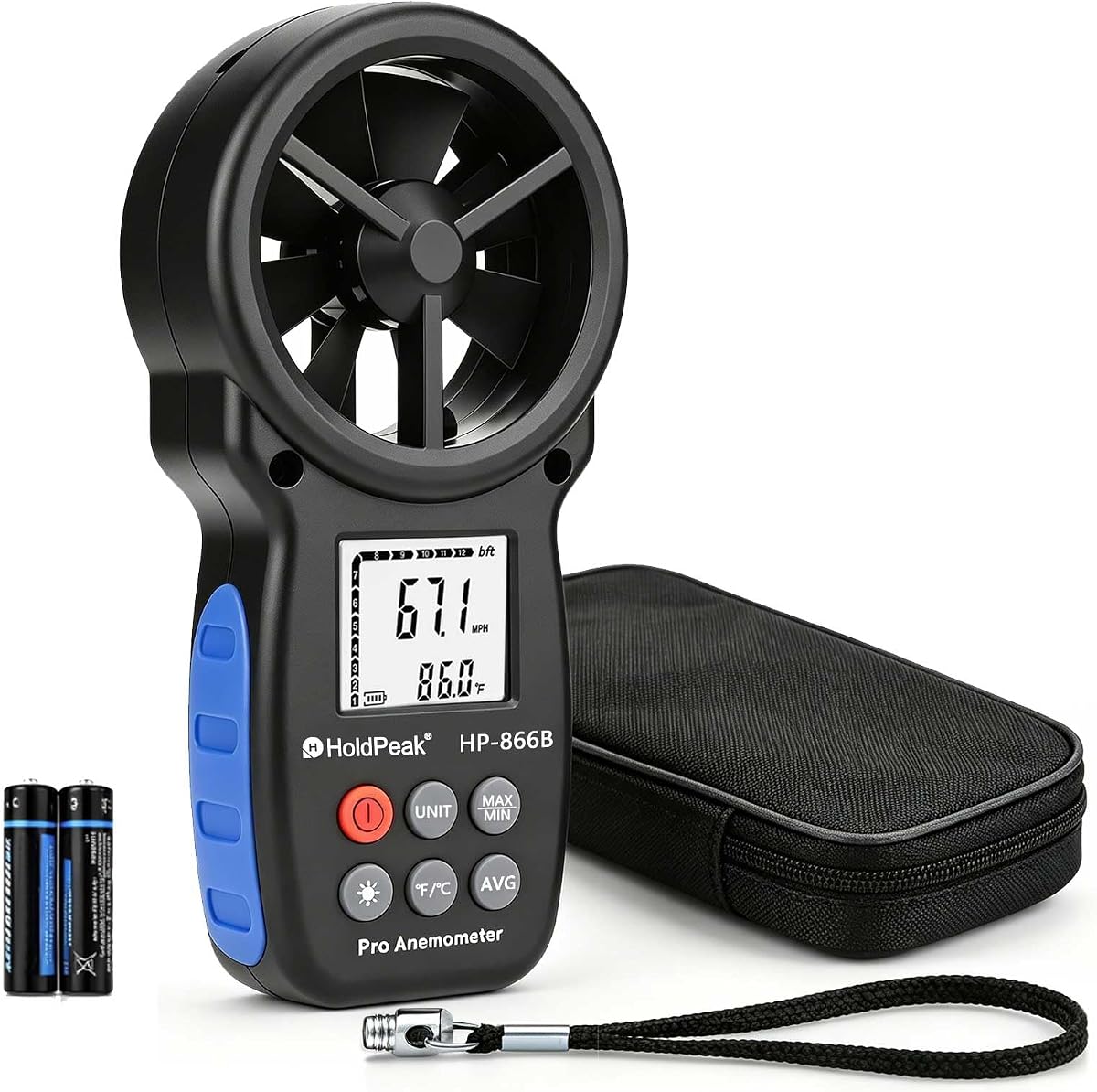
The HoldPeak 866B is a rugged handheld device designed to withstand rough handling while maintaining high accuracy. It shares similar technical specifications with the BTMETER model but offers a distinct user experience with a focus on durability. Sailors appreciate the hand strap and the waterproof carrying pouch for added protection on deck.
We may earn a commission when you buy through this link, at no additional cost to you.
This unit shines when you need to monitor wind conditions in real time with a reliable and durable instrument. The smooth fan shaft and sensitive sensors ensure that even gusty or erratic winds are captured correctly. The Max/Min/Average functions are particularly useful for understanding wind shifts during a race or passage.
The device is slightly heavier than some competitors which might cause fatigue during prolonged use. Also, it relies on standard AAA batteries rather than offering a rechargeable option which could be inconvenient on long trips. However, these features are outweighed by the device's reliability and clear data presentation.
If you prioritize durability and need a tool that can handle the marine environment without worrying about drops, the HoldPeak 866B is an excellent choice. It is equally suitable for indoor measurements like HVAC checks. We suggest this model for users who value long-term robustness.
The inclusion of a waterproof carrying pouch ensures the device stays dry when not in use. This is a critical feature for marine environments where unexpected rain or spray is common.
Max Min and Average readings allow for a deeper analysis of wind trends. This helps in planning maneuvers or assessing the stability of the vessel during changing weather.
We may earn a commission when you buy through this link, at no additional cost to you.
The Inspeed Magnetic Mount Anemometer offers a unique solution for those who need wind data without permanent mounting. Its 4.7 rating reflects its high precision and reliable performance. The magnetic mount allows for quick placement on metal surfaces like railings or hatches on smaller boats or even cars.
We may earn a commission when you buy through this link, at no additional cost to you.
This device is ideal for testing wind patterns or temporary monitoring needs. The calibration is precise ensuring that the readings you get are trustworthy for critical decisions. The compact design means it does not clutter the workspace when not in use.
The main limitation is that it requires a ferrous surface to mount effectively. If your boat does not have enough metal on the deck you may need to attach a plate which adds a step to the process. The price point is also higher than typical handheld units.
For users who need a flexible mounting option that does not require drilling holes the Inspeed model is a strong candidate. It is perfect for rental boats or situations where you cannot modify the vessel. We recommend this for professional testing or temporary setups.
The magnetic base makes installation instant. You simply stick it to the railing and turn it on. This is perfect for boats where you cannot drill holes for permanent sensors.
Calibrated for accuracy this model is often used in professional settings. The reliability of the data makes it a safe choice for critical navigation decisions.
We may earn a commission when you buy through this link, at no additional cost to you.
This Raymarine I60 display is designed for users who need to replace a broken screen on an existing system. It serves as the visual interface for wind data but does not include the sensors itself. It is a crucial component for maintaining the functionality of older Raymarine setups on classic vessels.
We may earn a commission when you buy through this link, at no additional cost to you.
The display offers clear visibility with high contrast text which is essential for day and night sailing. It fits into the same footprint as older ST60 instruments making retrofitting straightforward. However since it is a display only unit it relies entirely on the external masthead transducer to function.
The lower rating of 3.9 likely stems from compatibility issues or user expectations regarding the full system. It is important to verify that your existing cables and transducers are compatible before purchase. The unit itself is reliable but requires specific setup to work correctly with your network.
If you already have a working Raymarine system and just need a new screen this is the perfect replacement. It restores the full functionality of your wind data without needing a full upgrade. We suggest this strictly for replacement purposes.
This display is a vital part of keeping older boats running. It allows owners to upgrade the visual interface without replacing the entire sensor network.
The high contrast text ensures that wind data is readable in bright sunlight. This is a key feature for safety at sea where quick reading is necessary.
We may earn a commission when you buy through this link, at no additional cost to you.
The TopTes TS-301 offers exceptional value for money without compromising on essential features. It is a highly rated budget option that appeals to casual sailors and outdoor enthusiasts. The large screen and added humidity sensor make it stand out in its price class.
We may earn a commission when you buy through this link, at no additional cost to you.
This unit provides a comprehensive view of environmental conditions by measuring humidity alongside wind speed and temperature. The large 2.26-inch screen makes reading data easy from a distance. The included carry pouch is a thoughtful addition that protects the device during storage.
The build quality is primarily plastic which may feel less premium than metal units. The auto power off timer is set to ten minutes which might be too short for long sessions. However for the price this model offers a great balance of functionality.
If you want a reliable handheld unit that does not break the bank the TopTes TS-301 is our top budget pick. It is perfect for weekend sailing trips and general use. We recommend this for those looking to enter the hobby affordably.
The inclusion of humidity measurement provides more context for sailing conditions. High humidity can affect sail choice and comfort so this data adds value.
The larger screen size makes a significant difference in readability. It reduces eye strain and makes it easier to check data quickly.
We may earn a commission when you buy through this link, at no additional cost to you.
The Raymarine E28081 is a replacement kit designed to restore the functionality of aging wind instruments. It includes the necessary bowls and vanes to ensure accurate wind capture. This is an essential purchase for boat owners with older Raymarine systems that have suffered sensor damage.
We may earn a commission when you buy through this link, at no additional cost to you.
This kit fits models like ST50 and ST60 ensuring compatibility with a wide range of existing setups. The inclusion of screws and an Allen key makes the installation process straightforward. Replacing these parts can extend the life of your instrument significantly.
Installing this kit requires some technical skill as you must detach the old masthead safely. It is not a plug and play solution for everyone. However for those with basic tool knowledge this is a cost effective repair option.
If your wind data is erratic due to damaged bowls this kit will solve the problem. It is much cheaper than buying a new system. We suggest this for maintenance and repair tasks on older vessels.
Damaged cups can lead to incorrect wind speed readings. This kit ensures that your data is reliable again which is vital for safety.
Having all necessary screws and tools included means you do not have to source parts separately. This simplifies the repair process and saves time.
We may earn a commission when you buy through this link, at no additional cost to you.
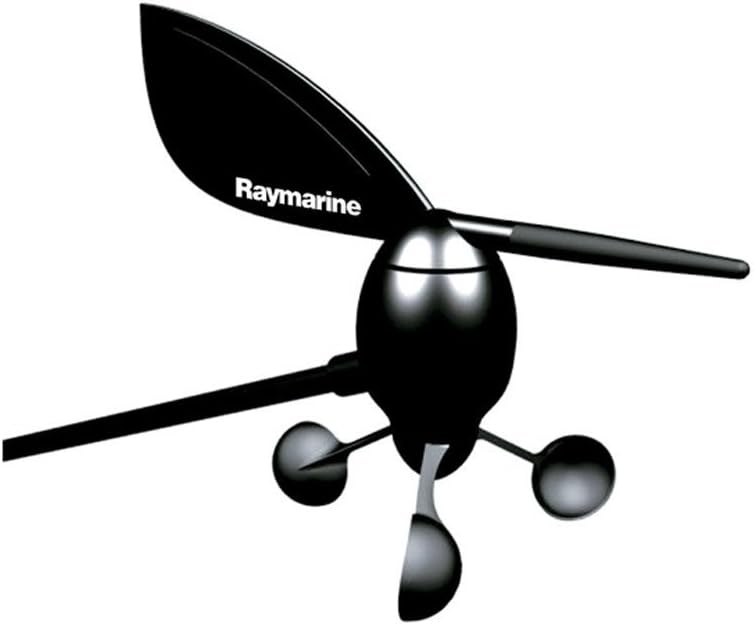
This latest version of the Raymarine Masthead provides an upgrade path for owners who want to refresh their sensor technology. It includes the wind arm vane and cups necessary for accurate data. It is designed to work with existing display units so you can upgrade without replacing your screen.
We may earn a commission when you buy through this link, at no additional cost to you.
The improved design offers better weather resistance which is crucial for long term reliability at sea. The wind arm is sturdy and ensures the sensor stays oriented correctly in gusty conditions. This upgrade can significantly improve the quality of your data without a full system overhaul.
Installation can be challenging as it involves working at height on the mast. It requires proper sealing to prevent water ingress. The price is high but you are paying for OEM quality and reliability. This is a premium choice for those maintaining older Raymarine setups.
If you have a functional display but an old masthead this is the ideal upgrade path. It brings your data accuracy up to modern standards. We recommend this for dedicated sailors who value precision.
The latest version includes improvements in seal durability and vane design. This ensures better performance in harsh ocean environments compared to older models.
It is designed to fit existing Raymarine display systems. This backward compatibility saves money and time by avoiding full network replacement.
We may earn a commission when you buy through this link, at no additional cost to you.
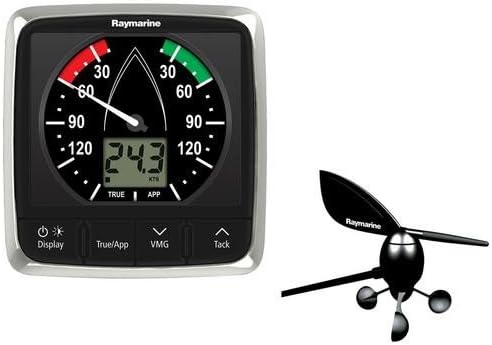
The Raymarine i60 Wind System is a comprehensive solution that includes the display and the masthead transducer. It delivers high precision data for both wind speed and direction. The integrated nature of the system ensures seamless communication between sensor and screen.
We may earn a commission when you buy through this link, at no additional cost to you.
This unit features an easy to read analog dial with nighttime red backlighting which preserves night vision. The low power consumption is ideal for smaller boats where battery capacity is a concern. The 30 meter cable ensures it reaches most mast heights comfortably.
The primary drawback is the high cost compared to handheld options. It also requires careful installation to ensure waterproof integrity. However for serious sailors the reliability and integrated performance justify the expense. It provides professional grade data for racing or cruising.
If you want a permanent reliable solution installed on your vessel this system is the top choice. It offers peace of mind with accurate data. We recommend this for those seeking a professional setup.
The system is designed to work together flawlessly. This integration minimizes data loss and ensures you get the most accurate readings possible.
Red backlighting allows you to check data without ruining night vision. This is a crucial safety feature for night sailing or watches.
We may earn a commission when you buy through this link, at no additional cost to you.
This Raymarine i60 system offers a customizable display that puts you in control of what data you see. It features a masthead transducer designed to withstand harsh marine conditions. The display allows for various configurations so you can prioritize true wind angle or speed.
We may earn a commission when you buy through this link, at no additional cost to you.
The robust design ensures trouble free operation even with saltwater exposure. The adjustable backlighting is a key feature for reading in different light conditions. The controls are intuitive making it easy to navigate settings without distraction while sailing.
Setting up the system requires configuration which can be complex for first time users. The price is also on the higher end of the market. However the ability to customize data fields makes it very versatile for different sailing styles.
For advanced sailors who need specific data fields this system is ideal. It allows you to tailor the instrument to your navigation needs. We recommend this for those who want control over their data.
You can choose which data fields are most important. This flexibility ensures you are not overwhelmed by unnecessary information during a race.
Calculating true wind angle is vital for optimal sail trim. This system provides accurate calculations to help you make better decisions.
We may earn a commission when you buy through this link, at no additional cost to you.
The Mcbazel 3 in 1 handheld anemometer is a compact and affordable option for quick checks. It displays wind speed and temperature simultaneously on a double line LCD. It also includes the Beaufort scale which helps visualize wind conditions in simple terms.
We may earn a commission when you buy through this link, at no additional cost to you.
This unit is small enough to fit in a pocket making it highly portable for hiking or small boats. The data hold feature lets you read a measurement after lowering the device. It is perfect for quick checks before casting a line or launching a boat.
The build materials are basic which means it may not withstand drops as well as ruggedized models. Battery life is standard but not exceptional. However for the low price it offers a great entry point for measuring wind.
If you need a lightweight tool for casual use the Mcbazel 3 in 1 is a smart choice. It provides the core data you need without bulk. We recommend this for anglers and casual boaters.
Showing the Beaufort scale helps users understand wind force at a glance. This is useful for those who do not want to interpret raw speed numbers.
Seeing wind speed and temperature together saves time. It reduces the need to toggle between modes to get a complete picture.
We may earn a commission when you buy through this link, at no additional cost to you.
Selecting the right marine anemometer involves considering your specific boating needs and technical expertise. This guide breaks down the key factors to help you make an informed decision.
For marine use you need an instrument that covers a wide range of speeds from light breezes to gales. Look for models with high accuracy ratings typically within +/- 2 percent of readings. This ensures you get reliable data even in extreme weather conditions.
Verify the measurement range to ensure it meets your sailing environment needs.
Decide whether you need a handheld unit or a fixed installation. Handhelds are great for temporary checks and small boats. Fixed systems with mastheads provide continuous data and are better for serious navigation.
Consider your vessel size and how often you need wind data.
A clear display is vital for safety at sea. Look for backlit screens with large digits. Models with high contrast text ensure you can read data in direct sunlight or darkness.
Prioritize screens with adjustable backlighting for night use.
Marine environments are harsh with saltwater and sun exposure. Choose models with robust build quality and weather resistant materials. If possible look for waterproof ratings to ensure longevity.
Check the build quality and warranty details for durability assurance.
Ensure the device supports the wind speed units you use such as knots or mph. Additional features like wind chill temperature or humidity sensors add value. These provide a more complete environmental picture.
Verify unit options match your local sailing standards.
Battery life is critical during long outings. Some models use AAA batteries while others may be rechargeable. Consider the power consumption features like auto off to save energy.
Check the estimated battery life for your intended usage time.
Advanced models offer Max Min and Average wind speed functions. These help analyze wind patterns and shifts which is useful for racing or planning. Data hold features also assist in recording readings.
Look for models that include useful data analysis tools.
Simplicity is key when you are on a moving deck. The device should be easy to operate with one hand. Menus should be intuitive to avoid distraction while navigating.
Choose a device with a simple and ergonomic interface.
When using a handheld anemometer hold it at arm's length away from the body to avoid blocking airflow. Ensure the fan blades are facing directly into the wind for accurate readings. Avoid holding it near sails or rigging that might create turbulence.
For fixed systems ensure the masthead is positioned high on the mast away from obstructions. Regularly inspect the cables for wear or corrosion. Clean the cups and vanes with fresh water to remove salt buildup.
Store your device in a dry place when not in use. If it uses batteries remove them during long periods of inactivity. Check the seals on waterproof models to ensure they remain watertight over time.
Handheld units are portable devices you hold to measure wind conditions manually. Masthead units are fixed sensors mounted on the mast providing continuous real-time data. Handhelds are cheaper and portable while mastheads offer integrated navigation data.
Quality marine anemometers are generally accurate within +/- 2 percent of wind speed. This level of accuracy is sufficient for safe navigation and sail adjustments. Always calibrate the device if the manufacturer allows it to maintain precision.
Yes many handheld models are versatile enough for HVAC work. They measure air flow velocity which is essential for duct testing. Just ensure the unit supports the specific units and airflow ranges you need.
A masthead transducer provides accurate true wind data by measuring high up away from deck interference. It feeds data directly to navigation screens for continuous monitoring. This is crucial for long distance sailing or racing.
Rinse the cups with fresh water to remove salt and dirt. Use a soft cloth to wipe them dry gently. Ensure no sand or debris is stuck in the bearings that could affect rotation.
Most modern units are designed to handle rain and moisture. However extreme weather can still affect readings. Always check the IP rating of the device to know its water resistance limits.
We reviewed ten diverse marine anemometers ranging from handheld gadgets to full systems. The BTMETER BT-100 stands out as the best overall choice for its balance of accuracy and features.
Prioritize durability and readability when selecting a device. Ensure the model matches your specific boating habits whether casual or serious racing.
Remember that availability and pricing can change quickly. Check current stock and warranty options on the retailer website before finalizing your purchase decision.