
M350 AUPHY Mechanical Metronome
4.4Editor score
High strength PC body
Metal clockwork movement
Clear accent bell sound
This guide compares the top ten mechanical metronome for piano options to help musicians choose the best tempo tool for practice and performance accuracy.
Finding the right mechanical metronome for piano helps musicians develop steady rhythm and precise timing during daily practice sessions at home or in studios.
We evaluated ten highly rated mechanical metronomes based on build quality, tempo range, beat accuracy, ease of use, and overall value for beginner and advanced players.
Each pick highlights key features and strengths so you can choose the device that fits your instrument and practice style while prices may vary over time.
4.4Editor score

4.5Editor score

4.6Editor score
The table below compares key specs and features across all ten mechanical metronome for piano models to help you make an informed purchase decision quickly.

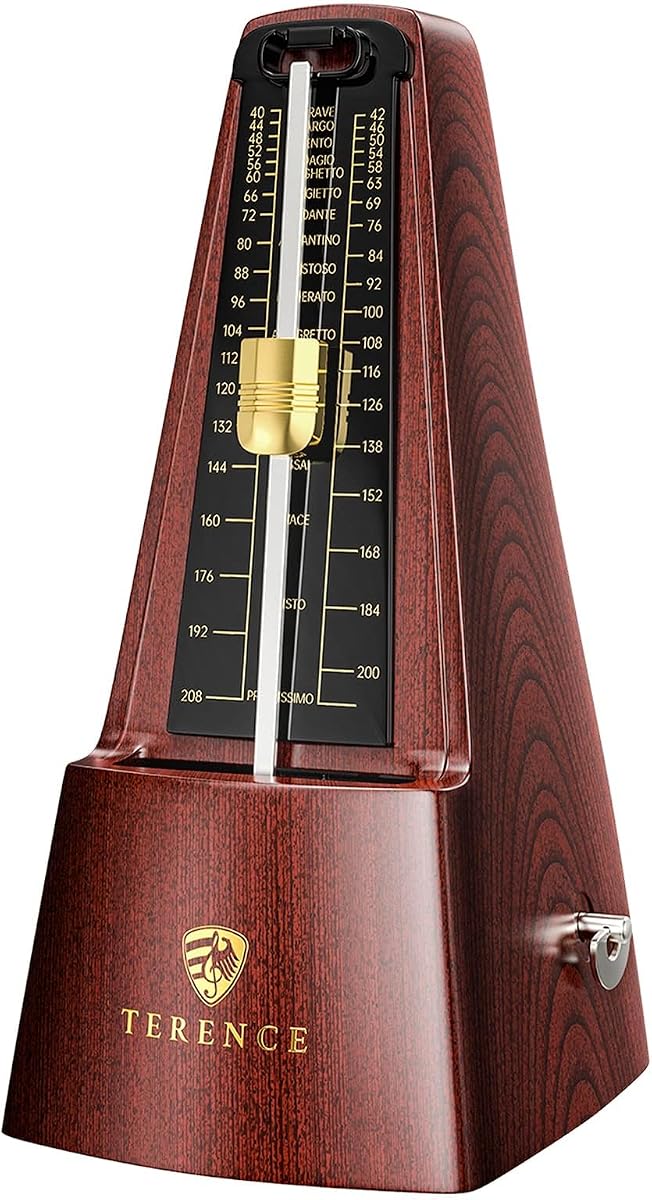


The Tempi mechanical metronome stands out with its classic wood veneer design and reliable steel gear movement for accurate rhythm tracking.
We may earn a commission when you buy through this link, at no additional cost to you.
It delivers a consistent tempo from 40 to 208 BPM and includes an optional bell for beat accents without needing any batteries.
The wind-up mechanism lasts up to 20 minutes per charge and the 2-year warranty adds confidence for long-term use in studios.
This model is ideal for pianists who value aesthetic appeal and precise mechanical timing during daily practice sessions or performances.
The brown grain veneer looks elegant on piano benches and blends well with traditional music decor.
Steel gears ensure consistent tempo accuracy over time without rust or degradation from humidity.
We may earn a commission when you buy through this link, at no additional cost to you.
This AUPHY mechanical metronome offers reliable performance with a metal clockwork movement and durable PC body at a very competitive cost.
We may earn a commission when you buy through this link, at no additional cost to you.
It provides a full tempo range from 40 to 208 BPM and includes adjustable beat modes with an audible bell for practice.
The lowered center of gravity keeps it stable on piano tops and one wind lasts around 10 to 40 minutes depending on tempo.
Beginners and budget-conscious musicians will appreciate its straightforward controls and consistent ticking sound for rhythm training.
The lowered center of gravity prevents tipping during use on uneven piano surfaces or desks.
The transparent dust cover lets you see the pendulum swing for visual rhythm reinforcement.
We may earn a commission when you buy through this link, at no additional cost to you.
The Wittner Taktell Piccolo is a compact classic mechanical metronome with a sleek black plastic body that fits any piano practice setup.
We may earn a commission when you buy through this link, at no additional cost to you.
It offers dependable timing accuracy without bells for musicians who prefer a pure click sound during detailed rhythmic exercises.
Its small footprint saves space on crowded instrument stands and the simple winding mechanism ensures long-term reliability.
This model is perfect for professionals or students seeking a no-frills high-precision tool for consistent tempo work at home.
Its small size makes it easy to carry to lessons or rehearsals without bulk or extra cases.
The absence of bells delivers a clean click ideal for focused rhythmic training without distraction.
We may earn a commission when you buy through this link, at no additional cost to you.
This Ueteto metronome features a loud audible click and bell ring that cuts through piano practice for clear rhythmic guidance.
We may earn a commission when you buy through this link, at no additional cost to you.
It supports instruments like piano violin and guitar with a tempo range of 40 to 208 BPM and selectable beat patterns.
A single wind can last up to 18 minutes and the brake mechanism ensures easy start-stop control during sessions.
It suits beginners and children who need clear feedback and durable construction for daily practice at home or lessons.
The loud sound ensures you hear the beat clearly even in noisy environments or larger rooms.
Easy adjustments and clear markings help new users get started without technical confusion.
We may earn a commission when you buy through this link, at no additional cost to you.
This wood grain metronome uses an all-metal movement for precise beat tracking and stable performance during piano or string instrument practice.
We may earn a commission when you buy through this link, at no additional cost to you.
It includes selectable beat modes and a tempo range of 40 to 208 BPM to support various repertoire and tempo requirements.
The design emphasizes rhythm sense development and helps learners maintain consistent timing while reading sheet music.
It is a strong choice for beginners who want durable metal internals and a classic look on their piano.
All metal movement parts ensure consistent tempo and resistance to wear over extended use.
The wood grain finish adds visual warmth while providing precise timing functionality for musicians.
We may earn a commission when you buy through this link, at no additional cost to you.
This walnut colored metronome features a high strength PC body and metal movement for accurate beat generation during practice sessions.
We may earn a commission when you buy through this link, at no additional cost to you.
It offers a tempo range of 40 to 208 BPM with selectable accent beats and runs without batteries for consistent use.
The transparent dust cover protects internals while allowing visual tracking of the pendulum swing for rhythm reinforcement.
It works well for piano and other instruments and suits players who value clear sound and classic design elements.
The transparent cover allows you to see the pendulum movement for better visual timing cues.
Metal movement design ensures beat accuracy stays consistent across multiple daily practice sessions.
We may earn a commission when you buy through this link, at no additional cost to you.
This universal black metronome combines high hardness plastic with metal parts for durable steady timing across piano and other instruments.
We may earn a commission when you buy through this link, at no additional cost to you.
It features heavy bell sounds for accent beats and a tempo range of 40 to 208 BPM to suit most practice needs.
The design supports multiple colors to match personal style and includes a 1-year manufacturer warranty for reliability.
Beginners and children will find it easy to use and it delivers stable rhythm cues for daily skill development.
Multiple color options let you choose a finish that fits your studio or practice space decor.
A 1-year manufacturer warranty adds peace of mind for long-term use and reliability.
We may earn a commission when you buy through this link, at no additional cost to you.
This wood grain Ueteto metronome provides a loud crisp tick and bell options for clear rhythmic pacing across piano and string instruments.
We may earn a commission when you buy through this link, at no additional cost to you.
It runs without batteries and offers a full tempo range of 40 to 208 BPM with selectable beats for varied practice routines.
The winding mechanism lasts about 54 minutes at 40 BPM and includes simple stopper removal for easy start and stop control.
It suits beginners seeking an elegant classic look and reliable performance for daily rhythm and tempo training.
At slower tempos like 40 BPM a single wind can last nearly an hour of continuous practice.
Removing the stopper and gently winding the key ensures safe operation without spring damage.
We may earn a commission when you buy through this link, at no additional cost to you.
This transparent TERENCE metronome uses an all-metal movement and copper pendulum for precise beat tracking and a modern clear aesthetic.
We may earn a commission when you buy through this link, at no additional cost to you.
It includes an upgraded metal accent bell and offers a tempo range of 40 to 208 BPM for various practice needs.
The ABS body stays bright over time and the design supports piano violin guitar and dance training for versatile use.
It suits students and teachers who want a visually clear device with reliable mechanical performance for rhythm instruction.
The transparent body makes it easy to see the pendulum movement for better visual learning.
The new all-metal movement design improves stability and reduces need for frequent winding.
We may earn a commission when you buy through this link, at no additional cost to you.
This loud sound metronome delivers precise beats with a clear loud output to help musicians master rhythm efficiently during daily training.
We may earn a commission when you buy through this link, at no additional cost to you.
It requires no batteries and offers five tempo settings from 40 to 208 BPM to match diverse practice demands for piano and more.
Crafted with premium materials and engraved markings it promises long-lasting durability and reliable performance for learners and professionals.
It is a practical choice for users needing a straightforward loud metronome at an accessible price point.
The loud clear sound ensures beats are heard clearly even in active or large practice spaces.
Premium materials and engraved markings add durability for years of consistent daily use.
We may earn a commission when you buy through this link, at no additional cost to you.
Selecting the right mechanical metronome for piano involves evaluating build quality, tempo range, beat features, and ease of use to match your practice goals.
Most mechanical metronomes cover a range from 40 to 208 beats per minute which suits everything from slow scales to fast etudes.
Ensure the model offers the full range you need for your current skill level and future repertoire challenges.
Models with optional accent bells or beat modes like 2 3 4 6 help you count measures and emphasize downbeats during practice.
Choose a metronome with customizable beats to match different time signatures and improve rhythm precision over time.
Metal movements last longer and stay more accurate than plastic ones while plastic or PC bodies keep weight and cost lower.
Look for metal gears and pendulums if you plan daily use in humid or varied environments for stability.
Wind-up time varies by tempo with slower beats lasting longer and faster beats needing more frequent winding during practice.
Check runtime estimates like 10 to 40 minutes to ensure it suits your typical practice session length.
Wood grain or classic designs add elegance to music rooms while transparent or black finishes suit modern setups.
Pick a look that fits your studio decor since you will see it daily during practice at home.
Simple controls and clear markings help beginners and children adjust tempo quickly without frustration.
Prioritize models with straightforward start-stop mechanisms and protective covers for hassle-free daily use.
Loud audible ticks and bells ensure the beat is heard clearly in noisy rooms or while playing louder piano passages.
Test volume levels if possible to confirm the sound cuts through your instrument without overwhelming your focus.
Manufacturers offering one or two-year warranties add peace of mind for long-term durability and repair coverage.
Look for brands with responsive customer support in case you face winding or timing issues after purchase.
Before first use remove the bottom stopper and wind the key gently clockwise until you feel resistance to avoid spring damage.
Place the metronome on a flat stable surface and slide the pendulum weight to your desired tempo on the scale.
Flick the pendulum to one side and release your hand to start the ticking then adjust beat modes using the dial before practice.
Wind duration varies by tempo with slower speeds lasting longer. Many models offer 10 to 40 minutes per full wind. Check the product specs for exact runtime.
No mechanical metronomes run purely on a wound mainspring. This means you never need to buy or replace batteries for operation.
Most metronomes offer 40 to 208 beats per minute which covers beginner to advanced repertoire. This range suits scales and complex pieces alike.
Set the bell dial to 2 3 4 or 6 beats to hear accents on downbeats. Set it to 0 for a click-only sound without accents.
Uneven ticking can result from the metronome not being level or the pendulum weight being too low. Adjust placement or raise the weight slightly.
Yes mechanical metronomes work for piano violin guitar bass and more. The beat is universal and supports most music practice.
Metal movements typically offer greater durability and accuracy over time. Plastic parts may wear faster under daily use.
The top picks include the Tempi for classic design, the AUPHY for budget value, and the Wittner Piccolo for portability and precision.
Prioritize build materials tempo range, and ease of use to find a metronome that supports your daily practice goals.
Always check current availability and pricing before buying since offers can change over time.